
Leak points out Galaxy S26 Ultra with unprecedented Snapdragon chip and 60W charging to surpass rivals

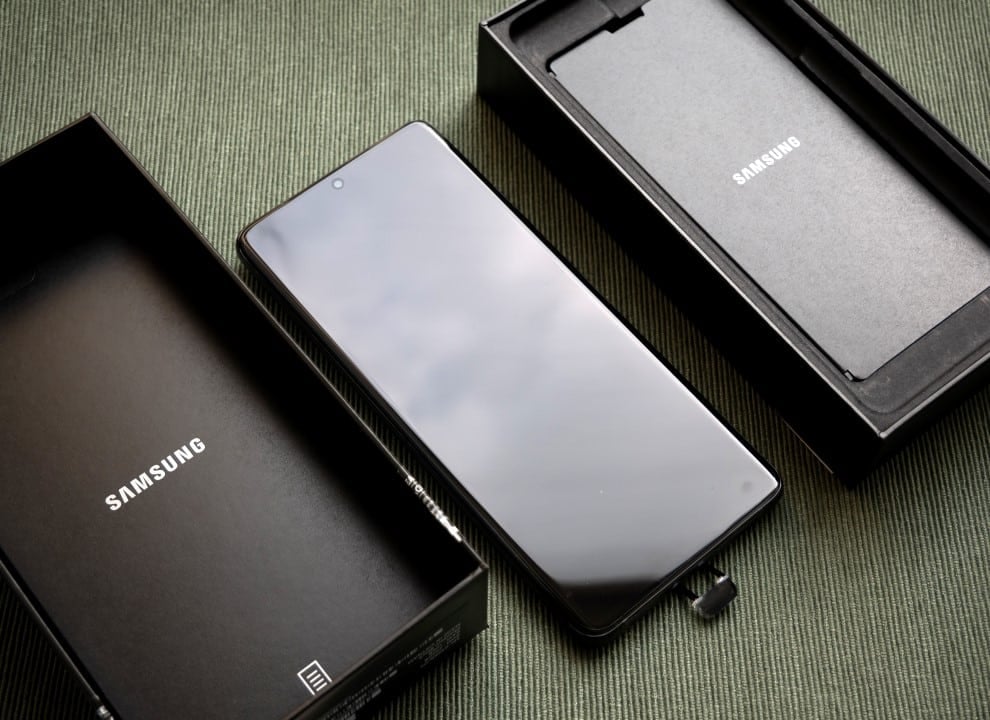
Recent information circulating behind the scenes in the technology industry indicates that Samsung is preparing a robust update for its main line of smartphones. Dados Preliminaries suggest that the South Korean brand’s next high-end device will hit the market with aggressive technical specifications, focused on raw performance and energy efficiency. The model, scheduled to be launched in the first quarter, should integrate hardware components that promise to redefine speed and multitasking standards in the premium segment, significantly distancing itself from the previous generation.
Expectations surrounding the launch mainly revolve around the adoption of a new processing architecture and substantial improvements to the power system. Analistas from the sector point out that the manufacturer chose not only to refine the design, but to promote a complete internal redesign. Isso includes the use of faster memories and a camera system with physically larger sensors, aiming to capture more light and detail. The strategy seems to be to consolidate the device as the definitive option for productivity and mobile content creation.
Galaxy S26 Ultraの噂まとめ:
– 6.9 インチ QHD+ 120Hz AMOLED ディスプレイ
– 厚さ7.9mm | Sペン
– スナップドラゴン 8 エリート第 5 世代
– 200MP + 50MP UW + 12MP (3x) + 50MP (5x) テレ
– 12MP フロント
– 5000mAh + 60W
– 25W Qi2 ワイヤレス
– IP68等級
– 1つの UI 8.5 |人造人間16号発売: 2026 年 2 月pic.twitter.com/mYALakIl9t
— シシル (@ShishirShelke1)2025 年 12 月 15 日
Advanced processing and performance
The heart of the new device will be, according to the leaks, the Snapdragon 8 Elite Gen 5 processor. The Este component represents an important generational leap, being developed with a lithography that prioritizes thermal efficiency without sacrificing power. Testes preliminary benchmarks indicate that the chipset’s main core can reach operating frequencies of up to 4.61 GHz.
To complement the processor’s firepower, the Samsung must standardize RAM memory at 16 GB for all variants of the Ultra model. Diferente of the previous generation, which limited this capacity to the most expensive versions, the new standard aims to ensure that AI and multitasking features work without hindrance on any version of the device. The memory technology used will be the latest LPDDR, with data transfer rates estimated at 10.7Gbit/s, which speeds up opening files and switching between games and productivity applications.
Internal storage will also receive special attention, maintaining options that reach 1 TB. The focus, however, is on the speed of reading and writing the storage, essential for those who record high-resolution videos or handle large volumes of data on their cell phones. The exclusivity of using Snapdragon processors in the Ultra line globally appears to be confirmed, eliminating performance variation between markets that historically received Exynos chips.
Evolution in autonomy and charging
One of the most criticized points in previous generations, reload speed, should receive a significant update. The new smartphone will maintain the 5,000 mAh battery, considered the gold standard for the chassis size, but the efficiency of the new processor should extend the actual duration of use. The big difference will be support for 60W wired charging, surpassing the previous limit of 45W. Essa change promises to drastically reduce the time needed to take the battery from zero to one hundred percent, a long-standing demand from corporate users and gamers.
In addition to the cable connection, the wireless charging system will also be modernized. The device must adopt the Qi2 standard, which incorporates magnetic alignment similar to MagSafe. Isso not only facilitates docking with vehicle chargers and mounts, but also improves energy transfer efficiency, reducing heating during the process. Wireless charging power should reach 25W, offering a quick and convenient alternative for everyday life.
Screen and visual innovations
The front of the device will be dominated by a new OLED M14 panel, a direct successor to the technology used in current models. Esta new generation of screens promises even higher brightness levels and superior color accuracy while maintaining energy efficiency. The QHD+ resolution and variable refresh rate of up to 120 Hz will continue to be present, guaranteeing the sharpness and fluidity that are trademarks of the line. The novelty is due to a privacy layer integrated into the hardware, which limits lateral viewing angles when activated, protecting sensitive information in public environments.
The chassis design must maintain the brand’s visual identity, but with ergonomic refinements. The use of titanium in the structure will be maintained to ensure lightness and resistance, while the edges may undergo slight changes to improve the grip. The S
Photo set improvements
The cameras will receive important physical updates. The main sensor must have an aperture of f/1.4, significantly larger than the f/1.7 of the previous generation. Essa physical change allows more light to enter, resulting in night photos with less noise and greater natural dynamic range, without relying excessively on software processing. The ability to capture images in low-light environments should be one of the main marketing pillars of the new model.
The telephoto lens will also undergo improvements, with the 3x optical zoom sensor being upgraded from 10 MP to 12 MP. Embora may seem like a modest increase in numbers, the change in sensor should provide greater clarity and detail in intermediate zoom photos. The camera system will continue to offer flexibility with high-resolution options, allowing users to choose between smaller files for quick sharing or massive images for professional editing.



