
Leak points to PS6 with 30 GB GDDR7 and laptop with 24 GB of advanced RAM

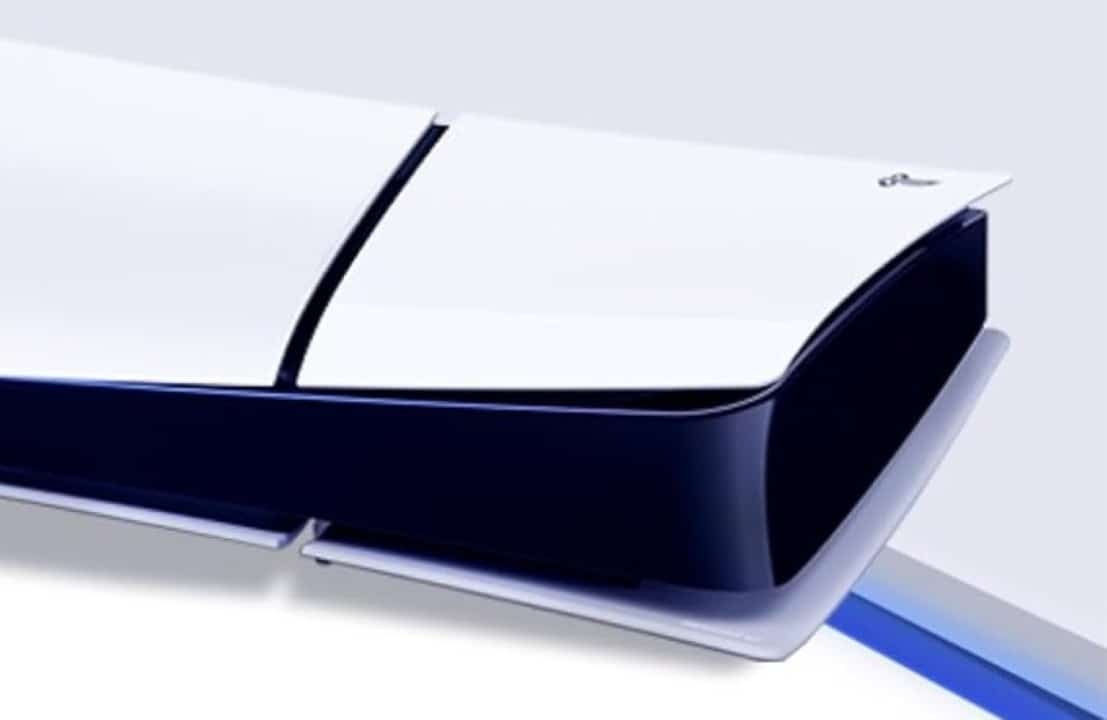
A new leak has provided details about the memory configurations of the future PlayStation 6 and a possible portable version. The main console should have 30 GB of GDDR7 RAM, while the handheld device would have 24 GB of LPDDR5X. Essas information has emerged from specialized hardware sources and indicates significant advances compared to the current generation.
The specifications point to a 160-bit memory bus on the PS6, operating at 32 Gbps and achieving a bandwidth of 640 GB/s. Essa configuration uses unconventional 3 GB modules in clamshell format, which can increase performance by around 11% compared to the PS5 Pro. Ambas versions must share AMD architecture with Zen 6 cores and RDNA 5 graphics.
The increase in memory capacity reflects the demand for more complex games, with improved support for high resolutions and technologies such as ray tracing. Esses components promise more efficient processing in high graphics load scenarios.
Main Console Memory Settings
The PlayStation 6 must adopt 30 GB of GDDR7, a direct evolution of the GDDR6 used in the PS5, which has 16 GB. Essa new memory operates at higher speeds and greater energy efficiency. 640 GB/s bandwidth enables faster data transfer between CPU and GPU.
3 GB clamshell modules represent an innovative approach to maximizing density without excessively increasing production costs. Essa technical choice contributes to an estimated performance increase of 11% over current intermediate models. Integration with RDNA 5 strengthens the ability to handle detailed textures and advanced visual effects.
Portable version details
The handheld version of the PlayStation is expected to include 24 GB of LPDDR5X, optimized for reduced power consumption in mobile devices. Essa memory offers a balance between performance and battery life. Ela compares favorably to competing portable platforms such as the Steam Deck OLED.
The configuration allows running current generation games with adjustments in resolution and frame rate. The use of LPDDR5X ensures fast access to large volumes of data in a compact form factor. Essa approach positions the device as a versatile option for gaming on the go.
This shared memory facilitates compatibility with PS5 titles, enabling similar experiences in different formats. High capacity reduces bottlenecks in charging and multitasking.
Shared AMD architecture
Both the PS6 and the handheld must be based on AMD processors with Zen 6 cores. The Essa architecture succeeds the Zen 5 and brings improvements in efficiency and performance per watt. RDNA 5 graphics include advances in ray tracing and artificial intelligence upscaling.
The partnership between Sony and AMD continues to define the PlayStation ecosystem since the PS4. The new generations promise leaps in rendering open worlds and complex simulations.
- Zen 6 CPU cores with high clocks
- RDNA 5 GPU with optimized compute units
- Native support for machine learning technologies for graphics
- Improved NVMe Storage Integration
These elements combined raise the technical bar for the next decade of gaming.

Comparison with the current generation
The PS5 uses 16GB of GDDR6 with 448GB/s bandwidth, enough for 4K at 60fps in many titles. The jump to 30 GB GDDR7 on the PS6 represents almost double the capacity and 43% more bandwidth. Essa difference benefits games with high-resolution assets and persistent worlds.
The recently launched PS5 Pro already introduces intermediate improvements, but remains on the same memory base. The new generation prepares the hardware for future demands, such as selective 8K and higher frame rates.
- PS5: 16GB GDDR6, 448GB/s
- Similar PS5 Pro: Otimizações with advanced upscaling
- PS6: 30GB GDDR7, 640GB/s
- Handheld: 24 GB LPDDR5X, focused on portability
These developments keep Sony competitive in the console market.
Impacts on production cost
Robust memory configurations drive up component costs for manufacturers. The use of GDDR7 and LPDDR5X in high volumes depends on stable supply chains. Flutuações Recent RAM pricing impacts industry-wide launch planning.
Sony has historically sought a balance between performance and accessibility in its consoles. Escolhas techniques like clamshell modules help mitigate additional expenses.
Possible schedule adjustments
The industry faces variations in the supply of advanced memories due to demand for emerging technologies. Esses factors influence release dates for new hardware. Sony may choose to make adjustments to maintain competitive prices in the market.
Console launches traditionally occur in cycles of seven to eight years. The PS5 has completed half of this period, and preparations for its successor are progressing through the validation phases.
Benefits for developers
More available memory makes it easier to create ambitious games without severe restrictions. Desenvolvedores gain flexibility in asset optimization and complex mechanics. Uniformity between fixed and portable consoles simplifies cross-ports and upgrades.
Technologies like AI upscaling reduce sole reliance on raw power. Isso enables stunning visual experiences even on portable hardware.
Expanded capability supports large-scale multiplayer and dynamic worlds. Estúdios internal employees at Sony are already exploring these possibilities in future projects.
Highlighted technical specifications
The leaked configurations include innovative elements for the next generation.
- 30GB GDDR7 memory on main console
- 160-bit bus with operation at 32 Gbps
- 640 GB/s total bandwidth
- 3GB clamshell modules for optimized density
- 24GB LPDDR5X in handheld
- AMD Zen 6 and RDNA 5 unified architecture
This data, while unofficial, aligns with industry trends and history of accuracy in similar leaks.
All this information remains in the field of speculation until announcements from Sony. The company maintains secrecy about next-gen projects, currently focusing on the PS5 ecosystem.



