
New Audi Q5 debuts on the national market with an unprecedented platform and 272 horsepower turbo engine

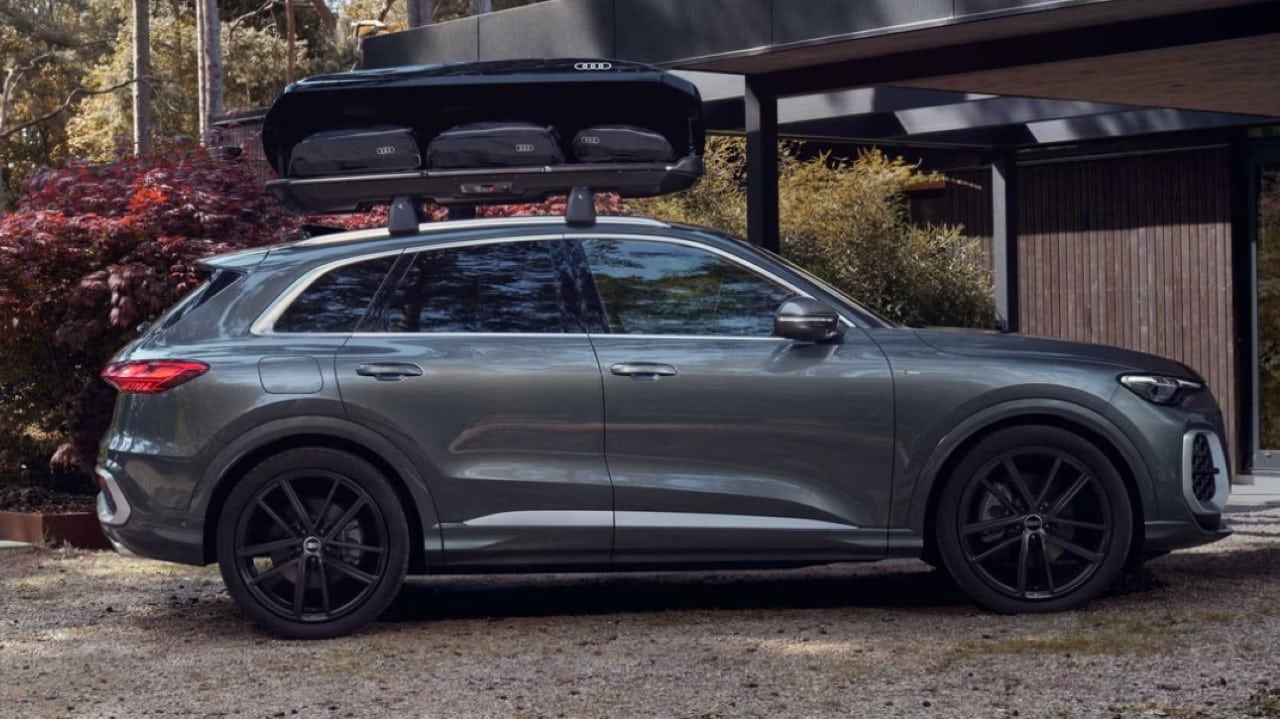
The Audi officially launched sales of the third generation of the Q5 in the Brazilian market, bringing significant renovations in design and mechanics to one of its best-selling models globally. The SUV, which is produced at the San José Chiapa factory, in the México, arrives in the country in two trim versions, maintaining the focus on purely combustion propulsion at this first moment and temporarily ignoring the immediate electrification trend of its direct rivals.
The suggested price starts at R$424,990 for the entry-level configuration, called Advanced, and can reach higher values in the top-of-the-line version. The German automaker seeks to reaffirm its presence in the luxury sports utility vehicle sector, competing directly with established brands that lead sales in the national premium category, offering a robust technology package.
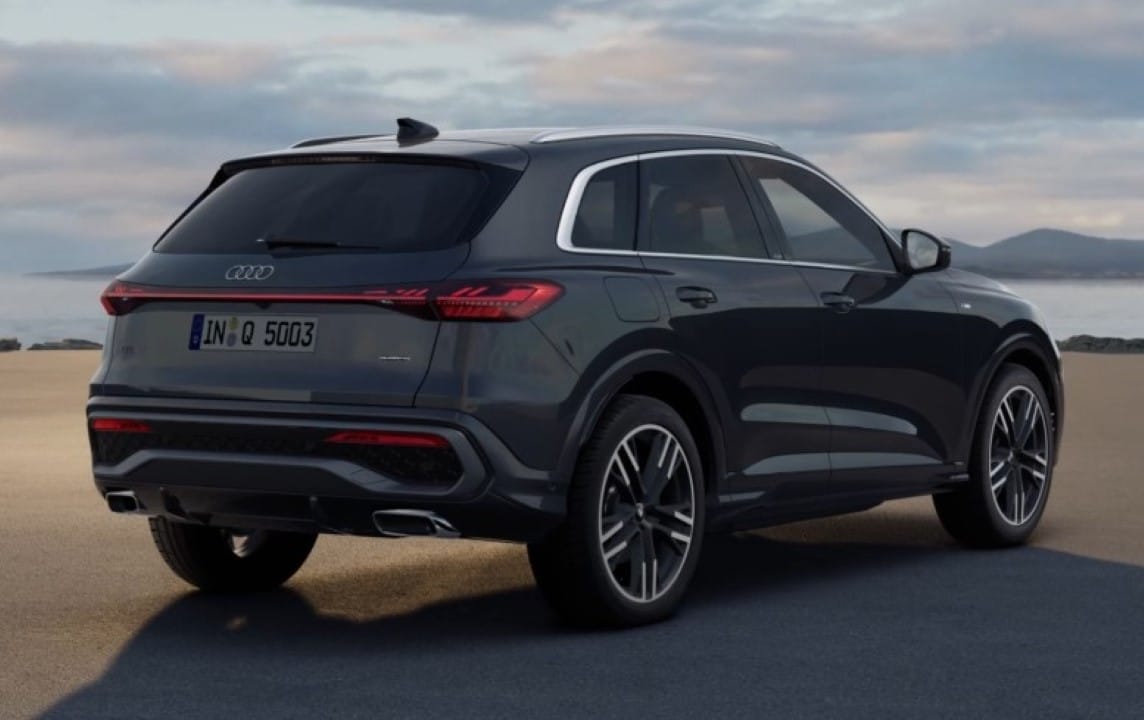
The first units should arrive at dealerships in the coming weeks, marking an important update to the brand’s portfolio. The strategy of maintaining the gasoline engine aims to serve a specific segment of consumers who still prioritize traditional mechanics combined with the new vehicle architecture developed by the group.
Mechanical evolution and new platform
Under the hood, the vehicle debuts the Premium Platform Combustion (PPC) platform, an architecture developed to maximize the efficiency of thermal engines and improve torsional rigidity. The engine is the well-known 2.0 TFSI, which received technical updates to deliver 272 horsepower and 40.8 kgfm of torque, surpassing the figures of the previous generation which delivered 265 horsepower.
The mechanical set works coupled to a seven-speed S tronic automated transmission, ensuring quick changes and fluidity in urban or highway driving. The Quattro all-wheel drive with ultra technology intelligently manages the distribution of force between the axles, disconnecting the rear axle when not necessary to prioritize fuel economy.
Factory data indicates that the utility vehicle accelerates from 0 to 100 km/h in 6.2 seconds, with a top speed electronically limited to 250 km/h. Mesmo weighing around 1,850 kg, the model promises agility and stability, benefiting from the new suspension structure that balances comfort and sportiness, as well as a progressive steering system.
Standard items and embedded technology
The list of equipment is extensive since the entry-level version, focusing on safety and connectivity for driver and passengers, with the new “Stage Digital” concept inside. Entre the main highlights confirmed for Brasil are:
- Full LED headlights Matrix with dynamic signatures and high-visibility sequential arrows;
- 20-inch alloy wheels with 255/45 sport profile tires;
- Bang & Olufsen 3D premium sound system in the top-of-the-line version;
- Three-zone automatic air conditioning with dedicated outlets for the rear seat;
- 11.9-inch digital panel integrated into the 14.5-inch multimedia screen in curved glass;
- Adaptive cruise control and active lane keeping assistant;
- Trunk with a capacity of 520 liters and electric opening.
Price positioning and competition
The arrival of the new Q5 intensifies the competition in the luxury medium SUV segment, facing rivals that have already adopted hybridization as standard, such as the Volvo XC60 and the BMW X3. The Audi model bets on the loyalty of customers who prefer conventional mechanics and the updated technological package to justify the prices charged at dealerships, positioning itself as an alternative to classic German engineering.
The S Embora there are no hybrid options at launch, the platform allows for future electrification, leaving the door open for new developments in the coming years as local market demand evolves.



