
Outbreak of kissing disease worries doctors and requires extra attention at festivals and gatherings

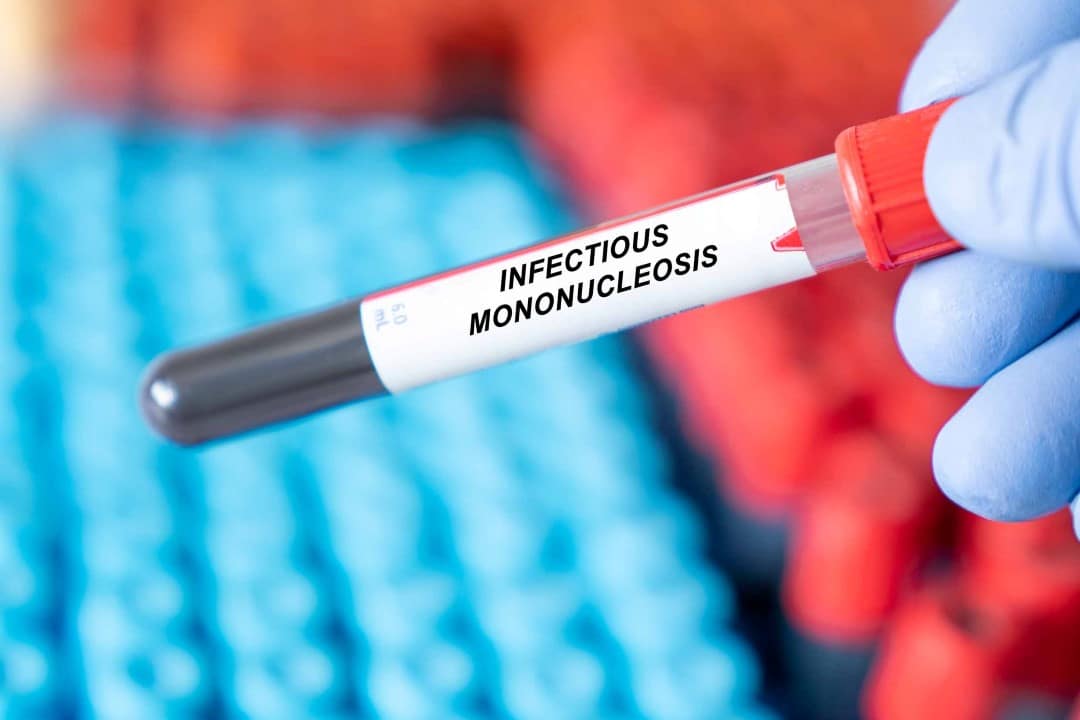
The festive calendar and the resumption of major social events bring with them not only moments of leisure, but also an important health alert issued by infectologists and health authorities. The intense social interaction, characteristic of music festivals, off-season carnivals and university parties, creates the ideal biological scenario for viral spread through direct contact. The focus of concern is the significant increase in cases of infectious mononucleosis, popularly known as the “kissing disease”, which tends to present peaks of contagion precisely during periods of greatest public gathering.
Although the disease’s nickname suggests that kissing is the only villain, transmission occurs much more widely and is often imperceptible to participants in these events. Saliva is the main vector of the Epstein-Barr virus (EBV), which causes the infection, and its spread is facilitated by sharing personal objects. Copos, water bottles, cutlery and even electronic cigarettes passed from mouth to mouth act as direct bridges for the virus, transforming a common social habit into a risk to collective health.

Experts point out that the most affected age group comprises teenagers and young adults, groups that regularly frequent these intense interaction environments. The great challenge in controlling the disease lies in its long incubation period, which can vary between four to six weeks. Isso means that an individual may have contracted the virus at a party and only show the first symptoms more than a month later, making it difficult to identify the exact moment of infection and facilitating involuntary transmission during the asymptomatic phase.
Transmission mechanisms and invisible risks
The transmission dynamics of the Epstein-Barr virus are highly efficient in environments where hygiene barriers are relaxed. Durante prolonged events, it is common for personal vigilance to decrease, leading to automatic sharing of drinks and food. The virus has a high capacity for survival in saliva, which makes any exchange of oral fluids a potential route of infection. Além In addition, carriers of the virus can periodically eliminate it through saliva throughout their lives, even without showing active symptoms, serving as silent reservoirs of the disease.
Prevention requires a change in behavior that goes against the culture of sharing at parties. Médicos reinforce the need for the exclusive use of personal items and the maintenance of hygiene labels. Close contact in closed or poorly ventilated places also increases the viral load in the environment, although direct contact remains the predominant form of contagion. Awareness of these invisible vectors is the first line of defense to prevent localized outbreaks following major holidays.
Clinical symptoms and diagnostic confusion
The clinical picture of mononucleosis is often confused with other common respiratory infections, such as the flu or bacterial tonsillitis, which can lead to late diagnosis or inadequate treatment. The classic triad of symptoms includes persistent high fever, severe pharyngitis (severe sore throat), and lymphadenopathy, which is swelling of the lymph nodes, especially in the neck region. Diferente of a common cold, the fatigue associated with mononucleosis is debilitating and can persist for weeks or even months, impacting the patient’s study and work routine.
A common mistake is self-medication with antibiotics, specifically amoxicillin, based on the assumption that it is a bacterial throat infection. In the case of mononucleosis, the use of these medications can trigger a characteristic skin reaction, resulting in red spots on the body (rash). Therefore, medical evaluation is crucial. Differential diagnosis is made through blood tests that detect specific antibodies or the presence of atypical lymphocytes, allowing correct management of symptoms.
Hidden dangers: impact on the spleen and liver
One of the most serious and least known complications to the general public is the impact of mononucleosis on the spleen. The organ, responsible for blood filtering and immune defense, can suffer a significant increase in size (splenomegaly) as a result of the infection. Esse swelling makes the spleen extremely fragile and susceptible to rupture, even with mild trauma that, under normal conditions, would not cause damage.
Due to this risk, the standard medical recommendation for diagnosed patients is to completely avoid contact physical activities or impact sports for a period that can vary from three to four weeks, or until the organ returns to normal size. A ruptured spleen is a medical emergency that can cause serious internal bleeding. Além In addition, the liver can also be affected, with inflammation and changes in liver enzymes, which can lead to temporary jaundice (yellowing of the skin and eyes).
Treatment and recovery protocols
There is no vaccine available to prevent mononucleosis, nor is there a specific antiviral medication that cures the infection instantly. Treatment is essentially supportive, focused on relieving symptoms while the immune system fights the virus. Medical guidelines emphasize:
- Absolute rest during the acute phase to combat extreme fatigue.
- Vigorous hydration with water and isotonic drinks to assist with thermal regulation and kidney function.
- Use of prescription analgesics and antipyretics to control pain and fever.
- Continuous medical monitoring to assess regression of spleen swelling.
Complete recovery requires patience. The return to normal activities must be gradual, respecting the limits of the body, which may remain in a state of post-viral exhaustion. Manter a balanced diet and avoiding alcohol consumption during convalescence are fundamental measures to avoid overloading the liver, which is already vulnerable due to the action of the virus.
Main keywords:kissing disease, mononucleosis symptoms, Epstein-Barr virus, saliva transmission.Long-tail keyword:how to prevent mononucleosis at parties and events.
Sources researched:https://www.gov.br/saude/pt-br (Ministry of Saúde – Doenças Infecciosas)
https://www.mayoclinic.org/diseases-conditions/mononucleosis (Mayo Clinic – Mononucleosis Symptoms and Causes)
https://www.cdc.gov/epstein-barr/about-ebv.html (CDC – About Epstein-Barr Virus)



