
Research reveals that iPhone Air leads users’ preference and should replace Apple’s Plus model

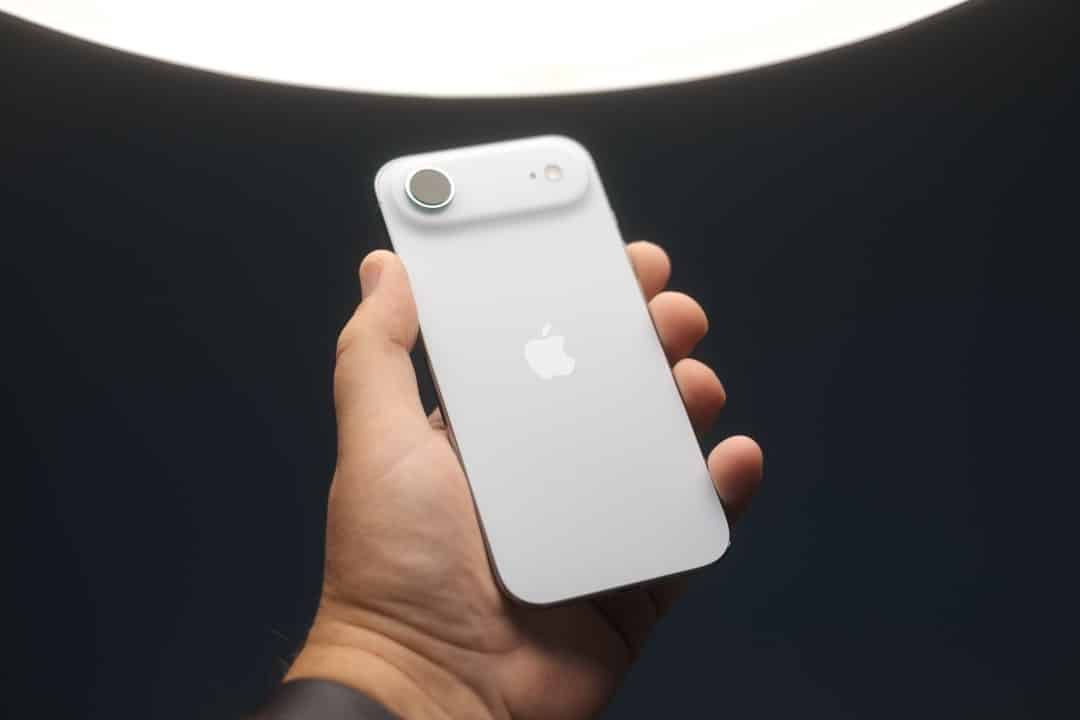
Recent expectations from the technology market point to a significant transformation in the Apple launch strategy scheduled for the next cycle. Dados of purchase intention reveal that the still unconfirmed iPhone Air emerges as the absolute favorite among consumers for the brand’s future generation of devices. The model surpasses traditional variants and even the Pro versions, signaling that the public is looking for a different combination of attributes, prioritizing aesthetics and portability over just raw processing power.
Surveys carried out with technology users indicate that approximately 38% of respondents would opt for the iPhone Air as their first choice when updating their devices. Esse volume of interest puts the hypothetical device well above the standard iPhone 17, which captured 25% of preference, and establishes a considerable lead over the more expensive models in the line. The iPhone 17 Pro Max appears with 23% of purchase intentions, demonstrating a change in consumer behavior that traditionally looked for the most expensive and robust model.

New segmentation strategy
The move suggests that the Cupertino giant may be about to retire the Plus model, which has historically had lower-than-expected sales, to introduce a concept focused on ultra-thin design. The strategy aims to fill a gap between entry-level devices and elite models, offering a generous screen without the weight and thickness that characterize the current Pro Max line.
Industry analysts assess that this change in preference reflects a maturing consumer, who begins to value ergonomics and the experience of daily use. The possibility of having a device with a large screen, possibly around 6.6 inches, but with a significantly lighter chassis, attracts users who consume a lot of multimedia content on their cell phones, but feel uncomfortable with the robust dimensions of current devices.
Inheritance and visual redefinition
The “Air” concept carries an important legacy within the Apple ecosystem, being historically associated with revolutions in portability, as occurred with the MacBook Air and the iPad Air. The application of this philosophy to the iPhone indicates a renewed focus on the device’s thickness and reducing edges. Consumers expect the new model to bring a distinct visual language, moving away from the industrial design that has been repeated in recent generations and offering a sense of physical newness that many consider stagnant in the current market.
Industry speculation suggests that the iPhone Air will not only be a thinner model, but also a vector for new display and camera technologies. The integration of a redesigned set of rear cameras, possibly centralized or less prominent, is one of the points that generates the most curiosity. Além Furthermore, the promise of even thinner screen edges could provide superior visual immersion, justifying the massive interest shown in public opinion polls.
Replacing model Plus with Air would resolve a product placement issue. The current model Plus suffers from being seen as just a stretched version of the base model, without exclusive features that justify its high price. The iPhone Air, on the other hand, would arrive with its own identity, attracting both those seeking status through design and those who need functionality in a more manageable package.
Expected technical specifications
Although the design is the main attraction of the supposed iPhone Air, the performance should not be neglected. The iPhone 17 line as a whole should debut with the new generation of A-series processors, possibly manufactured with more advanced lithographs. Essa technology promises leaps in energy efficiency, which is crucial for a thinner device that physically holds a smaller battery.
Optimization between hardware and software will be essential to ensure that autonomy is not compromised by reducing dimensions. The Pro and Pro Max models will continue to exist to serve the public that demands maximum technical specifications, such as photographers and content creators. Espera These devices are expected to retain exclusive features such as advanced periscopic zoom lenses and cutting-edge graphics processing capabilities.
The distinction will become clearer between categories. The Pro line focuses on pure power and professional cameras, while the Air line focuses on style, lightness and content consumption. One point of attention is the screen refresh rate. One of the main criticisms of current non-Pro models is the lack of 120Hz ProMotion technology. Rumores indicate that the iPhone Air could finally democratize this feature or, at least, offer an intermediate speed of 90Hz.
Check out the main highlights expected for the new model:
– Design ultra-thin focused on ergonomics and ease of transport;
– Tela with reduced borders for greater visual immersion;
– Processador new generation with high energy efficiency;
– Novo rear camera arrangement with less intrusive design.
Impact on global competition
The introduction of a “thin”-focused iPhone could dictate the next big trend in the smartphone market, forcing competitors like the Samsung and Xiaomi to respond with equally thin and light devices. Nos last few years, the race for megapixels and giant batteries has resulted in increasingly heavier and thicker devices. Apple, by reversing this logic, could create a new cycle of upgrades based on ergonomic comfort, changing engineering priorities across the industry.
Pricing Challenges
The projected success of the iPhone Air also puts pressure on pricing. Para captures the 38% of interested parties identified in the survey, Apple will need to position the device strategically. If the price is very close to the Pro model, the consumer may opt for the extra power. If it’s too close to the base model, it could cannibalize sales of the standard iPhone 17. The ideal balance would be to occupy the price range left by the Plus, but delivering a much higher “premium product” perception.
With the launch scheduled for the traditional September cycle, the industry is waiting to see if the rumors come to fruition. If the Apple manages to deliver a device that combines the desired aesthetics with a competent battery and quality cameras, the iPhone Air has the potential to become the company’s biggest commercial success since the introduction of full-screen models, redefining what consumers expect from a modern smartphone.




