
Riot Games reduces 2XKO team after debut registers attendance below initial projections


Developer Riot Games has confirmed a significant restructuring in the department responsible for the fighting game 2XKO, resulting in the dismissal of around 80 professionals. The drastic measure occurs less than a month after the official launch of the title in the free model, a period in which engagement numbers did not reach the goals established by the company. Management chose to resize the workforce to align operational costs with the current reality of the active player base.
The executives responsible for the project, Tom and Tony Cannon, communicated the decision and took responsibility for misreading the market. The team’s structure had been set up anticipating immediate massive success, driven by the popularity of the League of Legends universe, which did not materialize at the expected speed. The company is now seeking to stabilize the project with a leaner team focused on the existing community.
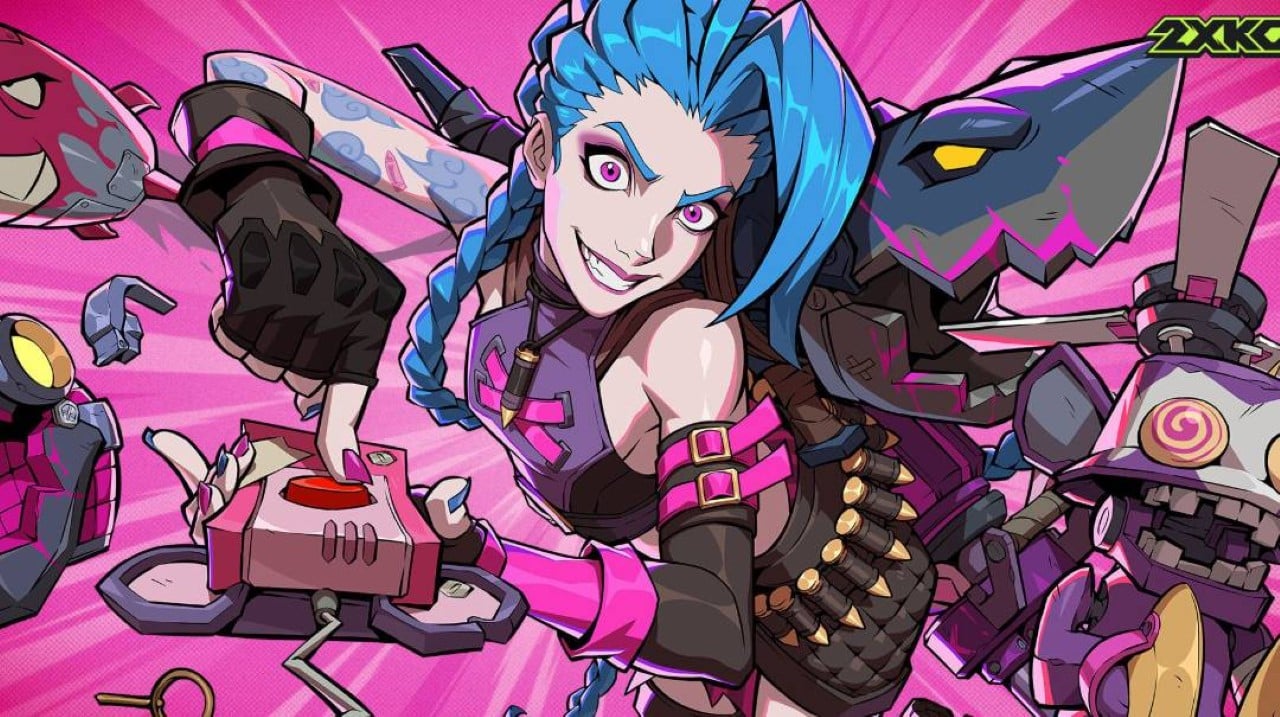
The dismissal process includes financial compensation packages and support for professional relocation for those affected. Riot Games reported that the decision was difficult, but necessary to ensure the long-term sustainability of the game, preventing excessive costs from compromising continued support for servers and the development of future content.
Changes in development and support focus
With the reduction in staff, 2XKO’s update strategy will undergo immediate changes. The pace of launching new characters and cosmetics must be adjusted to match the studio’s new production capacity. The priority is no longer aggressive content expansion to focus on refining gameplay and fixing technical issues highlighted by users in the first few weeks.
Despite the reduction in the development team, the company assured that the commitments made to the competitive scenario will be maintained. The esports calendar planned for the current season, including official tournaments and partnerships with event organizers, will continue as per the original schedule. The intention is to demonstrate to professional players and enthusiasts that the title continues to be a relevant bet within the competitive ecosystem.
Impact on the fighting game genre
The situation with 2XKO raises debates about saturation and the difficulty of entering the fighting game market, even for consolidated franchises. The mechanical complexity of the genre often acts as a barrier to casual audiences, making it difficult to retain players who are not long-time enthusiasts. Riot’s bet was that the simplicity of the controls would attract a new demographic, but converting MOBA players to fighting games proved more challenging than preliminary statistics suggested.
Industry analysts note that Riot’s move reflects a trend toward caution in the technology and entertainment sector heading into 2026. The future of 2XKO will now depend on the remaining team’s ability to cultivate a loyal community and grow organically and sustainably.



