Steam update natively integrates controls from the future Switch 2 and the classic GameCube

Valve has implemented a significant expansion of its platform’s hardware compatibility, releasing an update to the Steam beta client that introduces official support for two new types of input devices. The new feature covers both the future and the past of video games, now allowing native use of the controls from the highly anticipated Nintendo Switch 2 and the iconic GameCube gamepad. Essa move reinforces the company’s strategy of making the PC a universal environment for different gameplay preferences.
The focus of this update is on the versatility offered to players who prefer to use console peripherals on their computers. The inclusion of early support for the Nintendo’s next-generation hardware demonstrates the platform’s robust technical readiness, while the recognition of classic control meets a long-standing demand from the enthusiast and preservationist community.
On the same topic: Steam Controller acquisition may take time, with new reservations targeted for 2027
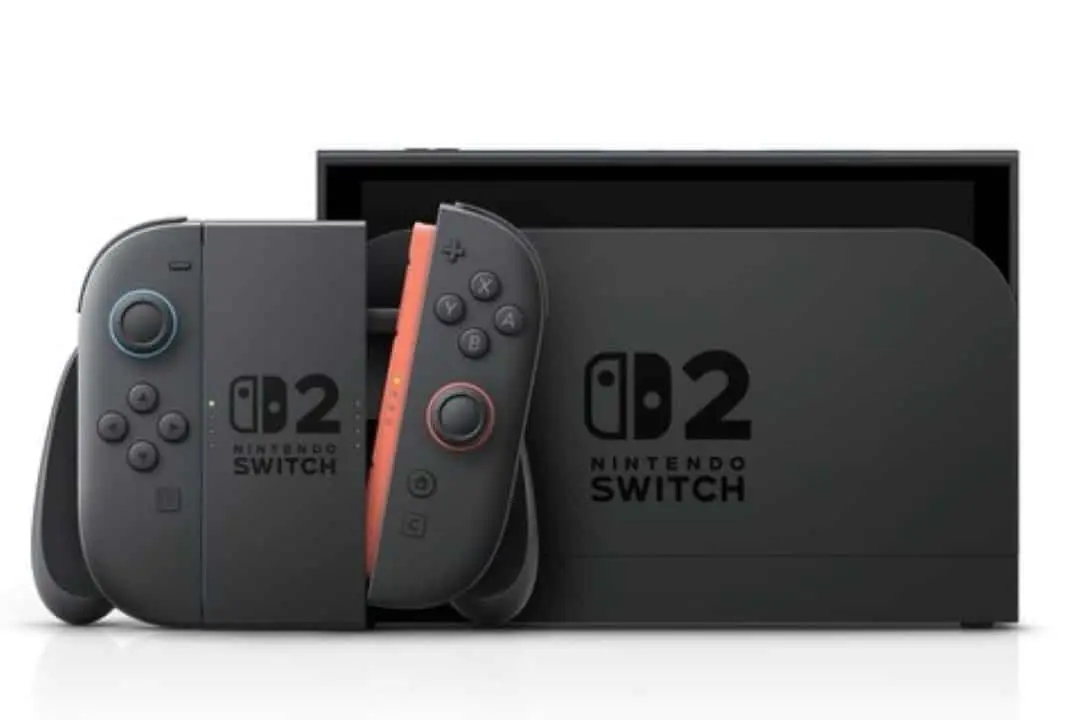
With this implementation, Steam Input continues to establish itself as an essential translation layer between user hardware and software. The tool allows controls that would not be natively recognized by the Windows to work perfectly in thousands of games in the library, ensuring that buttons and levers are mapped correctly without the need for third-party programs.
Technical details of USB connectivity
For users interested in controlling the Nintendo Switch 2, the connection process has been simplified to work directly via cable. The system identifies the device as soon as it is connected to a USB port, immediately treating it as a standard XInput control, which guarantees instant compatibility with the vast majority of modern titles available in the store.
This approach eliminates entry barriers for anyone who purchases the future console and wants to enjoy the same peripheral on their PC. Automatic recognition as XInput means that button layouts are adjusted to match established industry standards, making it easy to transition between different platforms without complex configuration.
Requirements for using the GameCube controller
GameCube controller integration requires an additional hardware component to function properly within the Steam ecosystem. Players will need to use the official Nintendo adapter, originally released for the Wii U and later compatible with the Switch, to connect the peripheral to the computer.
More on this story: New Valve controller arrives in 2026 with serious connection failure outside the PC
See Also


The system was programmed to recognize the adapter and allow the connection of up to four controls simultaneously through a single USB port. Essa functionality is crucial for local multiplayer gaming sessions, allowing groups to use their preferred controllers in titles that support cooperative or competitive play on the same device.
Upon detecting the adapter, the platform performs the necessary calibration so that the GameCube’s analog buttons and pressure-sensitive triggers respond appropriately. Isso preserves the original haptic feel of the controller, something especially valued by fans of fighting and platform games who grew up using this specific layout.
Impact on the PC gaming ecosystem
Valve’s decision to support hardware not yet officially released on the market indicates a proactive stance towards industry trends. By laying the groundwork for Switch 2, the company ensures that its platform will be ready on day one to welcome new users looking for flexibility between console and computer.
Learn more: Rumor suggests that Nintendo is preparing a special edition of the Switch 2 with a remake of Ocarina of Time
On the other hand, supporting the GameCube legacy reinforces the commitment to longevity and diversity of consumer choices. Manter Functional and useful legacy hardware on modern operating systems prevents unnecessary discarding of electronics and adds value to the investment players have made in their favorite accessories over the years.