
Tension in the British monarchy hits King Charles III and Prince William with communication breakdown

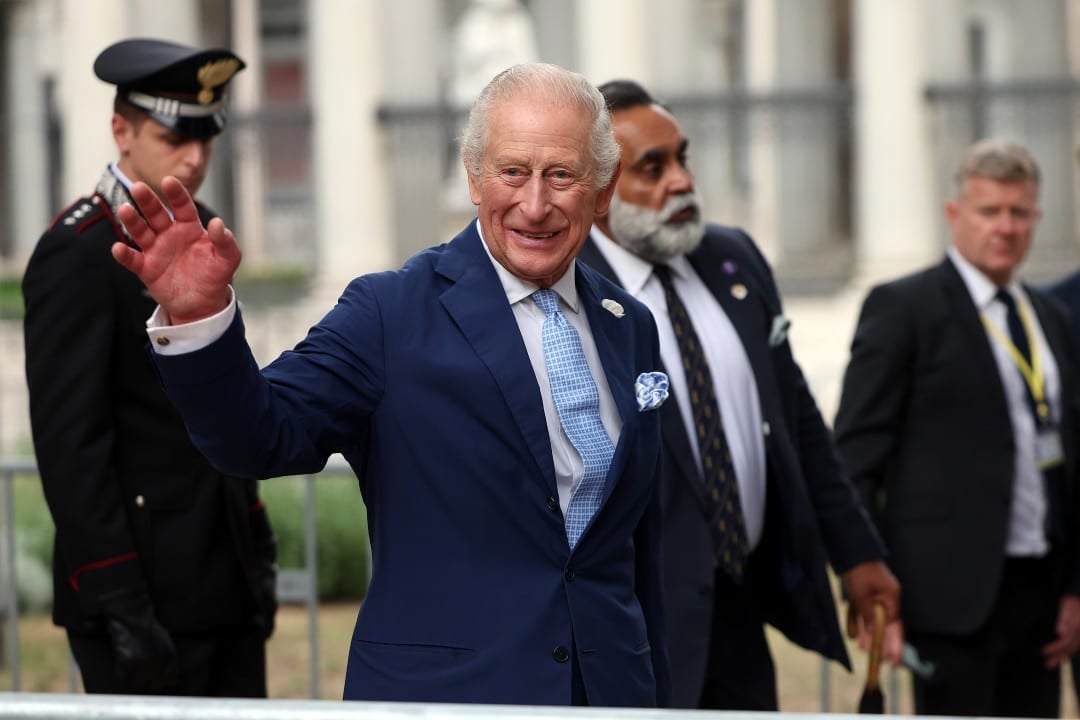
King Charles III and Prince William have completely stopped direct dialogue, as revealed by sources close to Palácio of The lack of contact occurs in a context of internal disputes over the authority and direction of the monarchy.
The rupture gained visibility with recent public events, such as Prince William’s non-participation in commitments considered important by the monarch. Especialistas in real affairs note that this dynamic reflects deep strategic differences between the two. The monarchy seeks to maintain apparent unity while dealing with these internal challenges.
This interruption of communication is not unprecedented in the British royal family, but it is reaching more intense levels at the current time. Fontes internal employees highlight that different personalities worsen the situation, with implications for the future of the institution.
Absence at a key event signals distancing
Prince William did not attend the premiere of the documentary “Finding Harmony: A King’s The absence was interpreted as a deliberate decision, not related to agenda commitments.
Palace sources confirm that the event brought together family members and guests, but the direct heir chose not to be present. Essa choice reinforces perceptions of strategic positioning on the part of William.
Differences in approach worsen the relationship
King Charles III faces greater difficulty in dealing with his eldest son than with Prince Harry, according to close advisors. Harry presents more emotional and predictable reactions to past conflicts. Já William adopts cold and calculated postures, which complicates resolutions.
This distinction in temperament makes disagreements with William more persistent. Ambos maintain firm convictions about the direction of the monarchy, avoiding mutual concessions.
Power dynamics influence conflicts
Prince William, as direct heir, demonstrates awareness of his future position as monarch. Essa reality alters interactions with King Charles III, generating perceptions of anticipated authority. Fontes internals point out that William seeks to preserve its independent legacy.
The king, in turn, occasionally feels disempowered in institutional decisions. Essa perception contributes to a cycle of recurring tensions in the father-son relationship.
Historical context of family relationships
The British royal family has seen periods of intergenerational tension over the years. King Charles III maintained complex dialogues with his children from childhood, influenced by public and private events. Prince Harry’s resignation from royal duties in 2020 set a precedent for ruptures.
These previous episodes serve as a reference for the current scenario with William. The monarchy adapted to similar challenges, prioritizing institutional continuity.
Comparison with past disagreements
Unlike conflicts with Harry, which focus on emotional and public issues, current ones involve long-term strategies. Harry moved to Estados Unidos after family differences. William remains active in real functions, which intensifies internal interactions.
- Conflicts with Harry involved public statements and official resignation.
- Disputes with William occur in a more reserved and strategic way.
- Both cases highlight challenges in generational succession.
- The monarchy manages these situations to preserve the unified image.
These differences make the current scenario more complex for the king.
Personal projects highlight different visions
King Charles III’s documentary reflects his decades-long environmental commitment, narrated by prominent figures. The debut in Castelo of Windsor gathered institutional support, but the presence of the heir was missing. Esse project represents a personal initiative by the monarch to bequeath his philosophy.
William, at the same time, focuses his efforts on his own causes, such as mental health and conservation. Essas distinct priorities highlight individual approaches to the real role.
Implications for royal succession
The succession to the throne remains clear, with William next in line. However, current tensions raise internal discussions about smooth transitions. King Charles III, at 77, balances health and official duties.
William is preparing to take on increasing responsibilities, including representation at events. Essa preparation occurs in parallel with current family dynamics.
Recent events reinforce perceptions
The monarchy has faced notable absences from joint engagements in recent months. Prince William prioritized his own agendas on dates coinciding with his father’s initiatives. Essas choices fuel analyzes about the balance of power.
The royal institution maintains a protocol of discretion in private matters. Comunicados officers avoid comments about internal relations.
Internal management strategies
Palace aides work to mitigate public impacts of these tensions. Reuniões reserved areas seek alignment on institutional issues. Queen Camilla and other members support the king in appearances.
William has his own team to plan future actions. Essa parallel structure reflects preparation for the coming reign.
Perspectives for resolution observed
Family history indicates that similar ruptures have been overcome on past occasions. The king and prince maintained unity at official events despite differences. Analistas expect shared commitments to facilitate future dialogues.
The monarchy prioritizes stability in periods of transition. Iniciativas joints can contribute to gradual reconciliations.
Public papers held in parallel
Despite the tensions, both carry out official agendas separately. King Charles III participates in environmental and ceremonial engagements. William represents Coroa on international visits and social causes.
- Environmental engagements led by the king remain active.
- William initiatives focus on youth and the environment.
- Joint apparitions occur on traditional dates.
- The duchess of Cambridge supports William in commitments.
These activities demonstrate operational continuity.
Environmental legacy as a common point
Both the king and prince share an interest in environmental conservation. The Charles III documentary reinforces this central theme in his reign. William develops similar projects on a global scale.
This thematic convergence provides a basis for future collaborations. Environmental Iniciativas unites generations in the royal family.
Balance between tradition and modernization
King Charles III has introduced protocol adjustments since his accession. William plans additional reforms for the future reign. Essas different visions generate internal debates about the pace of change.
The monarchy evolves to meet contemporary expectations. Discussões regarding the institution’s slimming down persists.
Prioritized institutional continuity
The royal family maintains focus on public duties despite private challenges. Eventos like trooping the color brings members together into visual unity. Protocolos ensure adequate representation on national occasions.
These practices preserve the relevance of the British Coroa.



