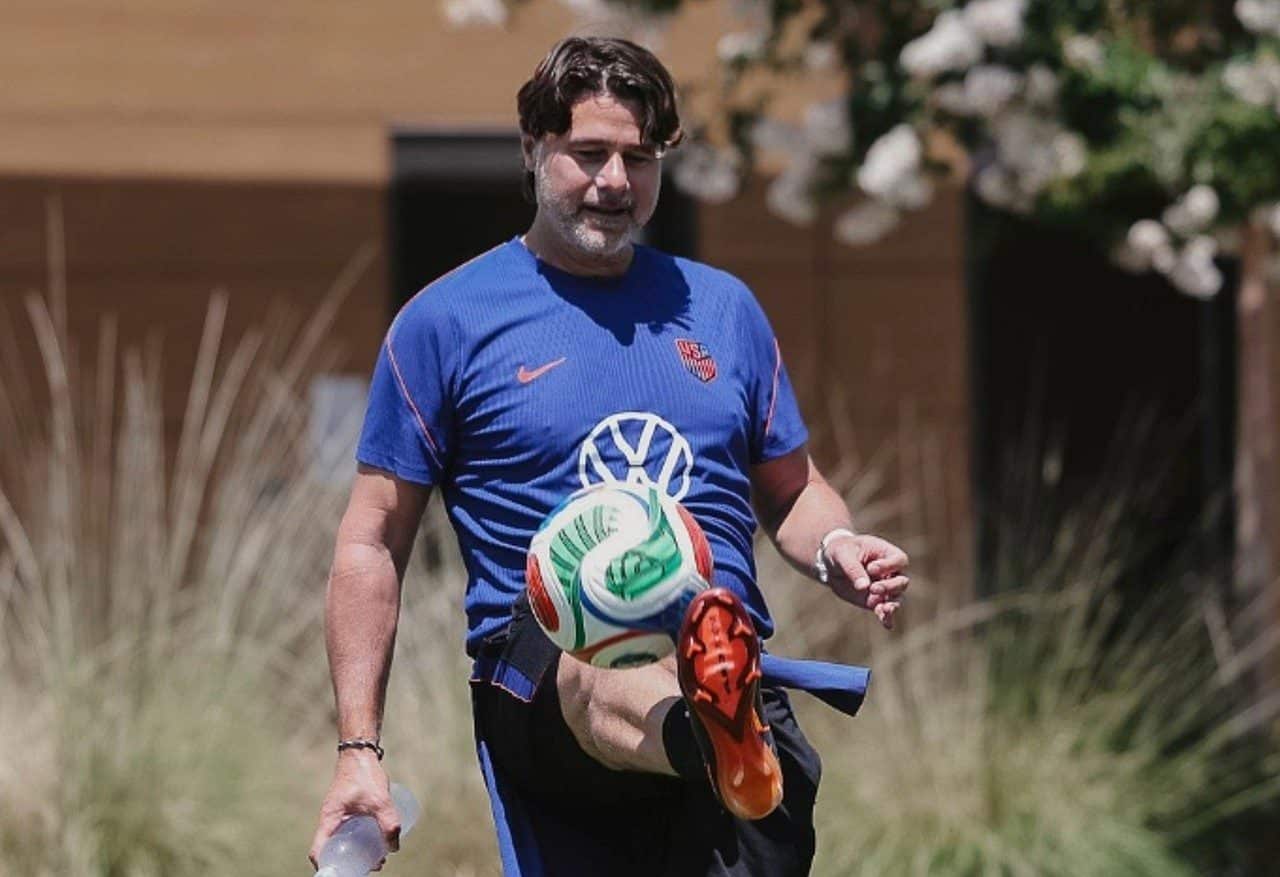
Toni Kroos responds to false news attributed to John Obi Mikel and questions his time at Real Madrid in a viral response


Toni Kroos published a short response on her story on Instagram directed to an alleged statement by John Obi Mikel. The former German player questioned why the Nigerian never played for Real Madrid, in a reply that gained great repercussion online.
The statement attributed to Obi Mikel classified Kroos as an average midfielder and suggested that the Nigerian would have been superior. However, the content has been circulating as fake news since previous periods, already denied by the former Chelsea player himself.
The interaction took place over the past few days and highlighted how unverified information spreads quickly on digital platforms. Kroos, retired since 2024, maintains an active presence on the networks even after ending his career.
Toni Kroos’s career at Real Madrid
Toni Kroos joined Real Madrid in 2014 from Bayern from The German won six Liga Campeões titles with the Spanish club, as well as multiple national and world club championships.
His passing accuracy and game vision contributed to the team’s success in dominant periods in the Europa. Kroos played alongside players like Luka Modric and Casemiro, forming one of the most efficient midfield trios in recent football history.
The player announced his retirement after Eurocopa 2024, ending a career marked by consistency and collective titles. Ele participated in more than 400 games for Real Madrid, with impressive numbers in assists and ball possession control.
John Obi Mikel’s trajectory in football
John Obi Mikel defended the Chelsea for more than a decade, between 2006 and 2017, and won the Liga from the
His career included playing for the Nigéria national team, participating in Copas of Mundo and winning the Copa Africana of Nações in 2013.
Currently, the former player maintains his own podcast and comments on matches on specialized channels. Ele has already publicly denied false statements attributed to him about Real Madrid players.
Origin and circulation of fake news
The false phrases attributed to Obi Mikel began circulating widely before the 2024 Liga of Campeões final between Real Madrid and Borussia Dortmund. Elas suggested direct criticism of Kroos, Carvajal, Nacho and Modric, questioning the merit of their European titles.
The Nigerian denied the statements on his official page years ago, stating that he never made them. Apesar of the initial denial, the content recently resurfaced in viral posts on Instagram and other platforms.
Profiles specializing in football identified the manipulation and warned about the lack of a reliable original source. The repetition of material demonstrates how old content gains new traction in social media cycles.
Details of Toni Kroos’s answer
Kroos shared the post with the false phrases in his story and added the direct question about the absence of Obi Mikel in Real Madrid. The reply was concise and generated thousands of interactions in a few hours.
The German maintains an active profile on Instagram even after retirement, with millions of followers following his publications. The answer reflects the direct style that marked his personality during his career on the field.
Several sports portals covered the episode, highlighting Kroos’s initial mistake in reacting to unverified content. The situation illustrates common risks of rapid exposure to information without prior checking.
Context of disinformation in football
False news about player statements frequently circulates on social media specialized in sports. Exemplos include made-up phrases attributed to star players about rivals or former teammates.
Platforms like Instagram and X make it easier for images edited with quotes with no real origin to go viral. Clubes and athletes occasionally need to issue official scores to correct distortions.
- Manipulated phrases affect the reputation of those involved without a factual basis.
- Verified profiles help combat spread, but initial reach remains high.
- Experts recommend checking primary sources before public reactions.
- Similar cases have occurred with other European players in recent years.
Repercussion among fans and analysts
Kroos’s response divided opinions between Real Madrid fans and football fans in general. Muitos defended the German for his quick reply, while others pointed out the false nature of the original content.
Sports analysts have commented on the episode in recent programs and articles, emphasizing the need for caution online. The interaction accumulated high views on international sports portals.
Chelsea fans recalled Obi Mikel’s achievements to contextualize indirect comparisons. The debate remained restricted to the networks, without additional official positions from those involved.
History of confrontations between Chelsea and Real Madrid
Chelsea and Real Madrid have faced each other several times in European competitions over the last few decades. Encontros highlights include Liga semi-finals and finals from Campeões with mixed results for both sides.
Obi Mikel participated in direct duels against the Madrid team during his time at the English club. Kroos, in turn, was part of victorious squads in knockouts against teams from Premier League.
These historic games fuel healthy rivalries between fans. Real Declarações of players about opponents usually generate attention, but fake versions amplify unnecessary controversies.
Role of social media in post-retirement career
Retired players like Kroos and Obi Mikel use digital platforms to maintain a connection with the public. Kroos shares family moments and opinions about current football on his accounts.
Obi Mikel explores the podcast format to discuss sports topics with a variety of guests. Ambos accumulate significant followers interested in exclusive content.
An online presence allows for quick demonstrations, but also exposes you to the risk of manipulated content. Experienced Atletas adjust strategies to deal with large-scale interactions.
Recent examples of fake news in sport
Cases of false statements have hit other well-known names in European football in recent months. Frases made up ideas about transfers or criticism of coaches circulated without confirmation.
Entities such as federations and leagues advise on verifying information before sharing. Portais specialized journalists prioritize primary sources to avoid replicating errors.
The speed of the internet contributes to the high initial reach of unverified materials. Correções later versions do not always reach the same audience exposed to the original content.
The episode involving Kroos and the statement attributed to Obi Mikel reinforces patterns observed in other similar situations. Jogadores remain exposed even after the end of their professional careers.
The interaction again highlighted the importance of checking in digital environments saturated with content. Respostas public access to false materials can increase unwanted visibility.