
Alpine confirms exit from the WEC Hypercar class at the end of 2026 and prioritizes Formula 1

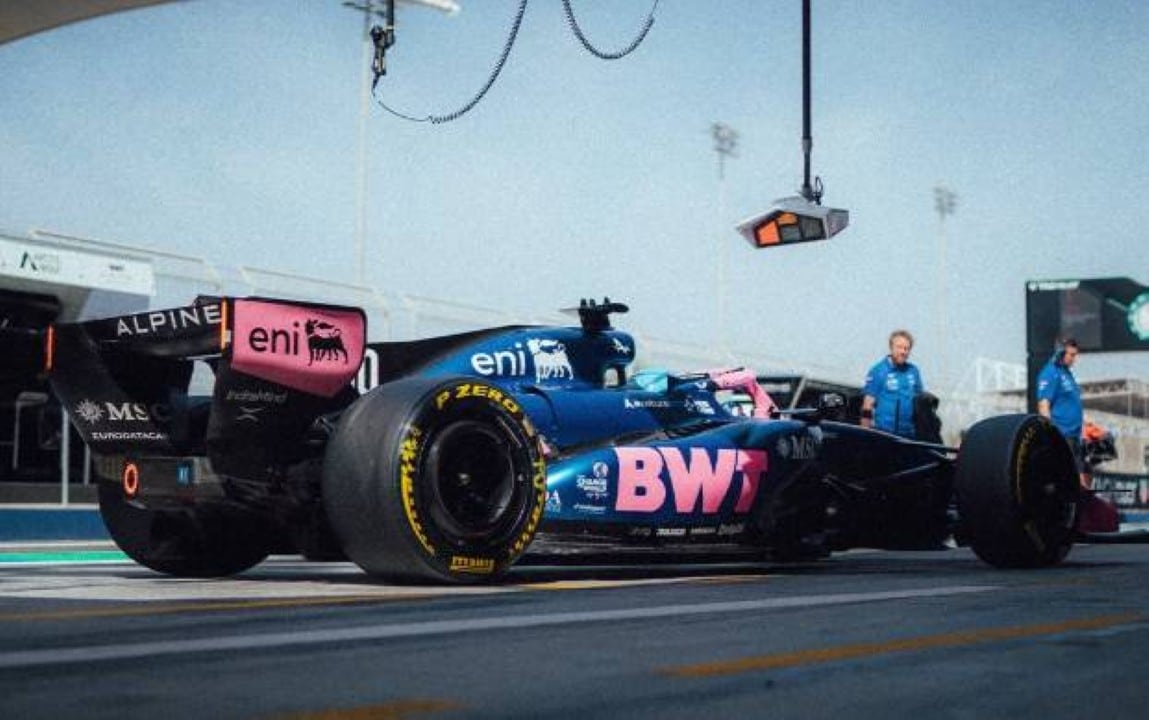
Alpine announced this Thursday, February 12, the departure of the Mundial main class from Endurance (WEC) at the end of the 2026 season. The decision marks the end of the French brand’s Hypercar program, which began in 2021, and reflects a strategic restructuring of the Grupo Renault. The team will maintain a full presence in the 2025 and 2026 races before ceasing activities in the category.
Philippe Krief, executive director of Alpine, explained that the measure protects the company’s long-term ambitions. The focus will be exclusively on Fórmula 1, considered the main stage of world motorsport. The change occurs amid internal adjustments at Renault, which seeks to optimize resources in priority projects.
The French brand entered the endurance elite with high expectations, but faced constant challenges. Resultados below projections and changes in leadership contributed to the reevaluation of the program.
History of Alpine in endurance
The Alpine returned to the WEC’s premier category in 2021, initially with the Oreca chassis in the rebranded LMP1 class. The transition to regulation Hypercar occurred in 2024, with the development of the A424 model based on the LMDh platform. The project involved a partnership with Signatech and significant investments in the Viry-Châtillon factory.
The team achieved podiums in important events, including a third place in the 24 Horas of Le Mans in recent editions. The victory in the 6 Horas of Fuji, in 2025, represented the high point of the trajectory in the Hypercar class. Esses results demonstrated competitiveness, although the brand did not achieve consistent victories against rivals such as Toyota and Ferrari.
Strategic reasons for the decision
Philippe Grupo Renault assesses that marketing and technological returns are greater in the top category of motorsport. The measure aligns with a vision of prioritizing resources in areas of greater global visibility.
Changes in executive management influenced the decision-making process. Current CEO François Provost demonstrates less emphasis on endurance competitions compared to predecessors. Internal restructuring at Renault includes redirection of engineers and budget for the F1 program from 2027.
The Viry-Châtillon factory, the traditional engine center of Renault, will lose direct involvement in high-level competitions. Parte of the team will be reassigned to Fórmula 1 projects or street vehicle development.

Immediate impact on the championship
The departure of Alpine reduces the manufacturers’ grid in the Hypercar class from 2027 onwards. The championship had already lost Porsche as a factory team in previous decisions. Apesar In addition, new automakers are showing interest in the category for the coming years.
- Genesis plans official entry in 2026 or 2027 with its own model.
- Aston Martin holds advanced talks for return with Valkyrie hypercar.
- BMW and Cadillac expand commitments as LMDh representatives.
- Lamborghini and McLaren are studying possibilities of expansion in the elite.
These movements indicate continued competitiveness in the WEC despite the announced departures.
Recent team performance
Alpine began preparations for 2026 with tests on Portimão in early February. The A424 has evolved in aerodynamic and powertrain specifications for the current season. Pilotos as well as Ferdinand Habsburg and Frédéric Makowiecki participated in the sessions, completing more than 1,200 kilometers.
The team revealed new livery and driver lineup for 2026 at an event scheduled for February 18 at Paris. António Félix from Costa joins the main lineup, bringing experience from other categories. The schedule includes classic races such as the 24 Horas of Le Mans and the 6 Horas of Spa-Francorchamps.
Preparations for the last seasons
Alpine plans to compete with two A424 units in all stages of 2025 and 2026. The objective remains to seek victories in long races and improve positions in the constructors’ championship. Engenheiros concentrate adjustments in the performance balance imposed by regulation.
Additional testing occurs throughout the year to maximize results in the final seasons. The brand remains fully committed to sponsors and fans during the transition period. Parcerias techniques with component suppliers continue until the program ends.
Repercussions between pilots and experts
Team drivers received the news with understanding, although they expressed a desire for achievements in the remaining seasons. Especialistas from the sector see the decision as a reflection of common corporate priorities in large automotive groups. The concentration in Fórmula 1 follows a trend observed in other automakers.
The WEC remains attractive to new entrants thanks to balanced technical regulations. Iconic Provas like Le Mans continue to attract investment from premium brands. The category adjusts strategies to compensate for exits with a greater diversity of participants.
Legacy of French participation
The presence of Alpine has contributed to the global growth of endurance in recent years. The Hypercar program has drawn attention to hybrid technologies applied to production vehicles. The French brand leaves positive marks with podiums and the development of young talents.
The transition to an exclusive focus on Fórmula 1 reinforces Alpine’s positioning as a premium sports brand. Projetos on the street gain direct influence from the experiences accumulated at WEC. The team closes an important chapter at the end of 2026 with a consolidated professional structure.



