
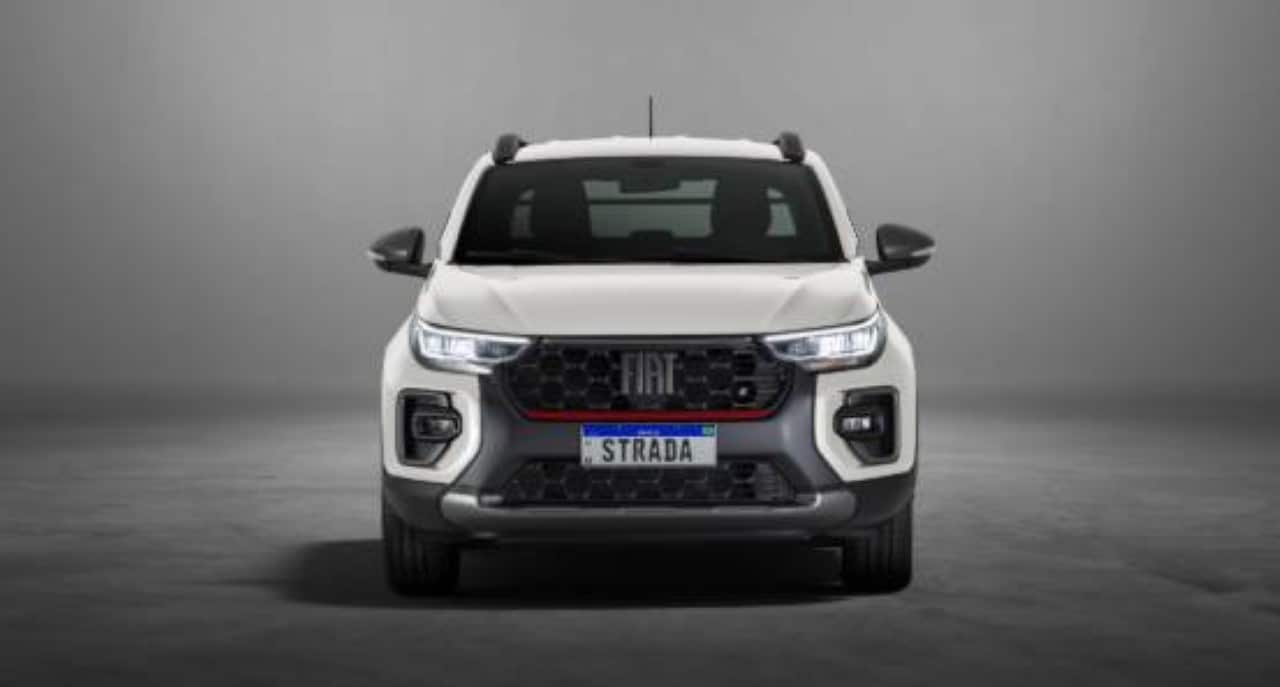
Automotive sector starts the year with high sales and Fiat Strada consolidates absolute leadership in the national market

The Brazilian vehicle market began the annual calendar showing vigor and an upward trend in commercial transactions. The balance for the first month points to a total volume of 162,342 registered units, including passenger cars and light commercial vehicles. Este performance represents a significant advance for the sector, recording growth of approximately 4% compared to previous periods, which signals a resumption of consumer confidence and a stabilization in the supply of credit.
The consolidated data reveals a scenario where the national preference for utility vehicles and models with greater robustness remains unshakable. The absolute highlight of the period falls on the commercial performance of pickup trucks and the continuous expansion of the market share of sports utility vehicles (SUVs). Além In addition, there is a strategic movement by Asian automakers, which are beginning to occupy relevant shares of the market with electrified and competitive models.

Among the main points observed at the end of the month, the following stand out:
– The isolated leadership of Fiat Strada, surpassing the 10 thousand units mark;
– The dominance of SUVs, occupying seven of the top ten positions in the ranking;
– The exponential growth of Chinese brands with new electrified models;
– The recovery of traditional automakers such as Volkswagen and General Motors.
Compact pickup truck hegemony and automaker performance
The Fiat Strada reaffirmed its position as the country’s best-selling vehicle, establishing an impressive numerical advantage over direct and indirect competitors. With 10,541 units sold in the period, the model not only secured the top of the podium, but also recorded a sales volume that is practically double that of second place in the general ranking. Essa performance consolidates the Italian automaker’s strategy of focusing on the work vehicle segment that also serves family use.
Volkswagen also presented consistent results, positioning three of its models among the most sought after by Brazilians. The Polo continues to be a key piece in the German brand’s portfolio, remaining competitive in the top positions, while the Saveiro pickup demonstrates resilience in the light commercial segment. The automaker has invested in renewing its line to face aggressive competition, especially in the entry-level and intermediate vehicle niche.
On the other hand, the Chevrolet showed signs of recovery with the Tracker, which was among the most sold SUVs. The competition at the top of the table remains fierce, with traditional automakers needing to adjust their pricing and equipment strategies to maintain customer loyalty in the face of an increasingly diverse and demanding market in terms of technology and energy efficiency.
Rise of Chinese models and preference for SUVs
A phenomenon that is gaining traction at the beginning of the year is the market penetration of Chinese manufacturers, driven by electrification and advanced technology packages. Modelos like the Geely EX2 and the Omoda 5 broke the barrier of 1,000 units sold each, a symbolic and practical milestone that demonstrates the Brazilian public’s acceptance of new brands. The strategy of these automakers is based on offering aggressive cost-benefit, delivering vehicles with superior finishes and efficient engines at competitive prices.
The SUV category continues to be the driving force of the national automotive industry. The presence of seven models in this segment among the ten best-selling models confirms a cultural and structural change in the consumption profile. The Brazilian consumer increasingly prioritizes the elevated driving position, internal space and the perception of safety that these vehicles offer, to the detriment of traditional categories such as sedans and mid-size hatchbacks.
Projections and competitiveness in the sector
The scenario outlined by January’s numbers projects a year of intense rivalry between established brands and new entrants. Fiat, by guaranteeing a 21% growth in its volumes and maintaining market leadership, puts pressure on rivals to accelerate their product launch and update cycles. The market’s response to recent launches indicates that technological innovation and consumption efficiency will be the main competitive differentiators throughout 2026.
Models such as the Hyundai Creta and Jeep Compass maintain solid sales volumes, both hovering around 4,400 units, which reinforces the stability of the medium and compact SUV segment. The maintenance of these volumes, even in the face of the arrival of new competitors, suggests that the Brazilian automotive market still has room for expansion, as long as macroeconomic conditions, such as the current minimum wage of R$1,621 and interest rates, remain favorable to financing new vehicles.
Palavras final key: automotive market, Fiat Strada, January sales, Chinese cars, vehicle rankings.
Long-tail keywords: best-selling cars in January in Brasil.



