
Hair extensions contain dozens of toxic substances linked to cancer and hormone disruption, scientific research reveals

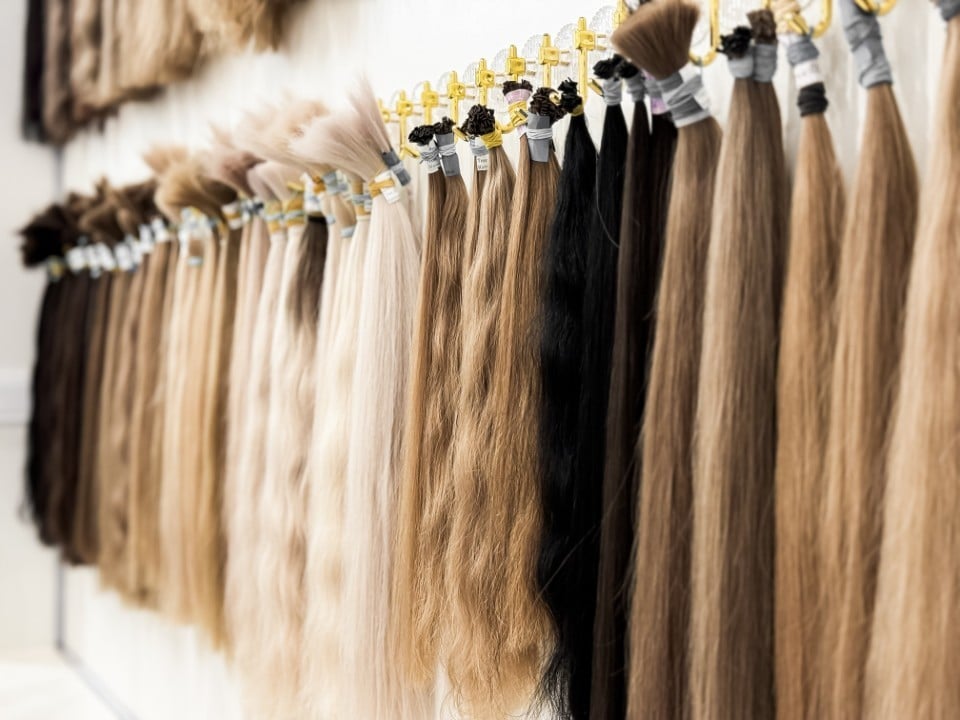
A comprehensive survey of the chemical composition of hair extensions has detected the presence of multiple dangerous substances in widely marketed products. The research, carried out by Silent Spring Institute, identified compounds linked to cancer risks, hormonal dysregulation and reproductive problems in 41 of the 43 samples analyzed. The results highlight prolonged exposure to the scalp and the release of chemicals during the use of heat tools.
The extensions tested included synthetic and organic varieties, purchased in online and physical stores. Mais of 900 chemical signals were screened, with 169 substances identified across nine structural classes. Esses findings reinforce the need for greater transparency on the part of manufacturers, who rarely disclose the treatments applied to confer properties such as resistance to fire or heat.
The study points out that direct contact with the skin and inhalation of volatile compounds represent significant routes of exposure. Produtos labeled “non-toxic” were the only exceptions without detection of high-risk substances. The analysis was published in the magazine Environment & Health, from American Chemical Society.
Details of the methodology adopted
The team responsible for the research purchased 43 popular hair extension products on digital platforms and specialized stores. Samples encompassed synthetic extensions derived from plastic polymers and biological options such as human hair, banana fibers and silk. Muitos items advertised specific features, including fire resistance in 19 synthetic cases and safety claims on some labels.
The researchers employed untargeted analysis techniques combined with machine learning to map the chemical composition. Essa approach allowed us to identify a wide range of substances without prior limitations. The results revealed chemical treatments applied to improve durability and facilitate styling, although without clear disclosure by producers.
Main substances detected
The investigation identified 169 chemical compounds distributed across nine main classes. Entre These include flame retardants, phthalates and organotin compounds, present in several samples. Quase 10% of the products contained organotins in concentrations that exceed limits established in União Europeia.
- Flame retardants found in synthetic and biological samples;
- Phthalates associated with material flexibility;
- Organotin compounds used as thermal stabilizers;
- Substances related to 17 chemicals linked to breast cancer in 36 products.
These elements are applied to impart functional properties, but contribute to health risks.
Health risks identified
The compounds detected include 48 substances listed in international risk databases. Pelo minus 12 appear in Proposição 65 of Califórnia, related to cancer, birth defects and reproductive harm. Outros affect the endocrine system, altering hormonal levels in ways that can increase specific vulnerabilities.
Exposure occurs through prolonged contact with the scalp and neck during daily use. Heating with dryers or straighteners releases volatiles that can be inhaled. Complementary Estudos indicate that combinations of chemicals amplify adverse effects over time.
Previous research has already linked hair products to skin irritation and respiratory problems. The presence of chlorine in high concentrations in some synthetic samples reinforces concerns about lung irritation. Compostos such as styrene and tetrachloroethane are also among those identified.
Predominant use by black women
More than 70% of black women report wearing hair extensions at least once a year. Essa proportion contrasts with less than 10% in other racial and ethnic groups in the Estados Unidos. No Brasil, the habit follows similar patterns in urban communities, influenced by cultural and practical factors.
Extensions offer volume and versatility in protective hairstyles. The global market projects growth beyond 14 billion dollars by 2028, with significant imports in several countries. The lack of specific regulation exposes frequent users to accumulated exposures.
Lack of specific regulation
Hair extension products operate in a segment with limited oversight compared to traditional cosmetics. Muitos detected chemicals are regulated in other contexts, but there are no mandatory labeling requirements for these items. Iniciativas in American states seek greater transparency in ingredients.
The industry applies treatments to reduce flammability and increase water resistance without informing consumers. Níveis of organotins above European standards highlights regulatory disparities. Especialistas advocate for security testing and full disclosure to reduce unnecessary exposures.
Legislative proposals in regions such as Nova York and Nova Jersey aim to ban certain additives in synthetic yarns. Pacotes federal authorities in the Estados Unidos propose the inclusion of extensions in the supervision of health agencies. On the international scene, the absence of unified standards keeps the sector without rigorous controls.
Composition of the analyzed samples
Synthetic extensions accounted for the majority of cases with heat or fire resistance claims. Três biological products had reinforced safety labels. Dois items labeled as toxic-free did not record high-risk substances in the analyses.
Banana and silk fibers appeared in samples with phthalates. Cabelo treated human also showed traces of flame retardants. The variation reflects diversified industrial processes to meet market demands.
Structural analysis grouped chemicals into classes such as organohalogens and nitroaromatics. Cada category contributes to desired properties but elevates potential exposures. The combination of advanced techniques allowed accurate identification beyond conventional methods.
Global expanding market
The hair extensions sector is experiencing constant growth driven by beauty trends. Países and Estados Unidos lead imports, followed by emerging markets. The projection of 14 billion dollars reflects demand for synthetic and natural varieties.
Consumers are looking for durable and versatile options for daily routines. The expansion is unparalleled in chemical safety requirements. Fabricantes compete with innovations in textures and resistance, incorporating undeclared additives.
Perspectives for greater security
Researchers emphasize the importance of alternatives with less chemical load. Desenvolvimento of materials without toxic retardants represents a viable path. Consumidores may prioritize products with independent certifications when available.
Transparency in the production chain would facilitate informed choices. Independent Testes complement official analyzes in regulated contexts. Avanços in sustainable polymers emerge as options to reduce risks while maintaining functionality.




