
IPhone 18 Pro’s optical innovation transforms the market and puts pressure on Samsung with variable aperture

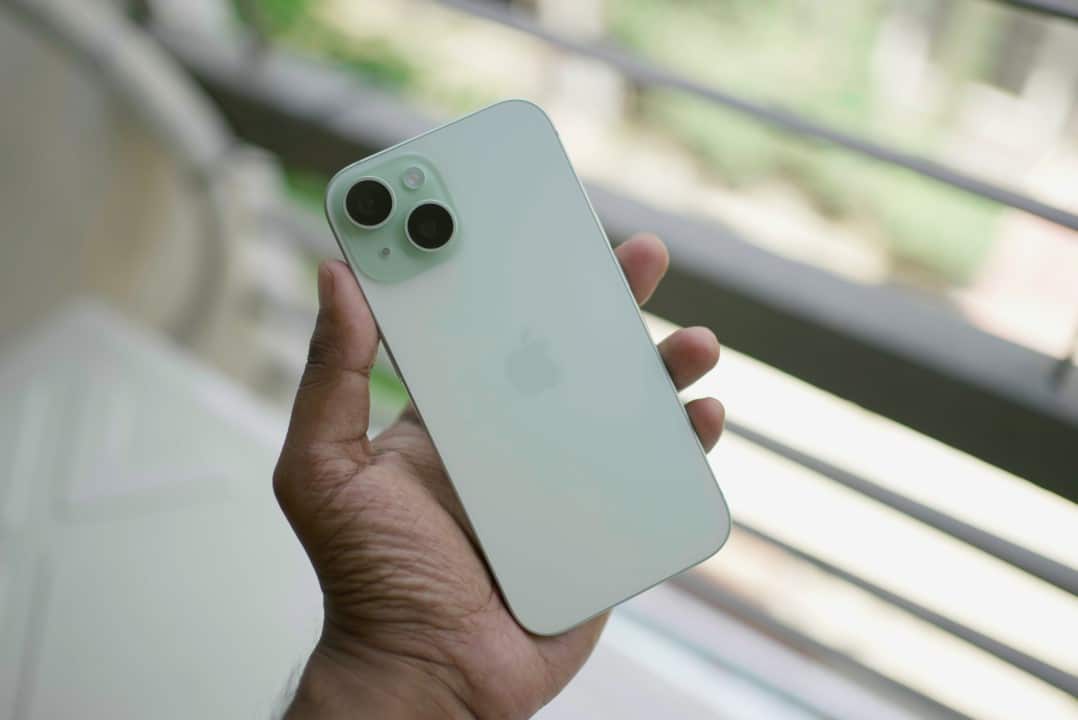
A new era in the history of smartphone cameras seems to be emerging on the technological scene. The coming advances are no longer limited to the increase in megapixels or the heavy reliance on software processing and artificial intelligence. Attention now turns to the core of the lens itself.
Recent reports indicate that Apple is planning a significant qualitative leap, intending to incorporate variable opening functionality into the highly anticipated iPhone 18 Pro. Essa strategic change already puts direct competitors, especially Samsung, in an intense race to keep up with developments.
The transition from purely digital solutions to an approach that integrates innovations in optical hardware promises to redefine the standards of quality and versatility in mobile photography. Esta movement signals a search for realism and professionalism that digital processing alone cannot achieve.
Optical innovation in iPhone 18 pro
Renowned tipster Digital Chat Station revealed, via the Chinese platform Weibo, that Apple is dedicating efforts to two major updates for its main camera. Entre them, a camera with variable aperture and a telephoto lens with large aperture zoom stand out, promises that spark debate in the sector.
These leaks are supported by previous predictions made by analyst Ming-Chi the thesis by indicating that the Cupertino company had already begun in-depth discussions with its suppliers to secure the precision mechanical components essential for the realization of this technology.
Samsung’s reaction to the advance
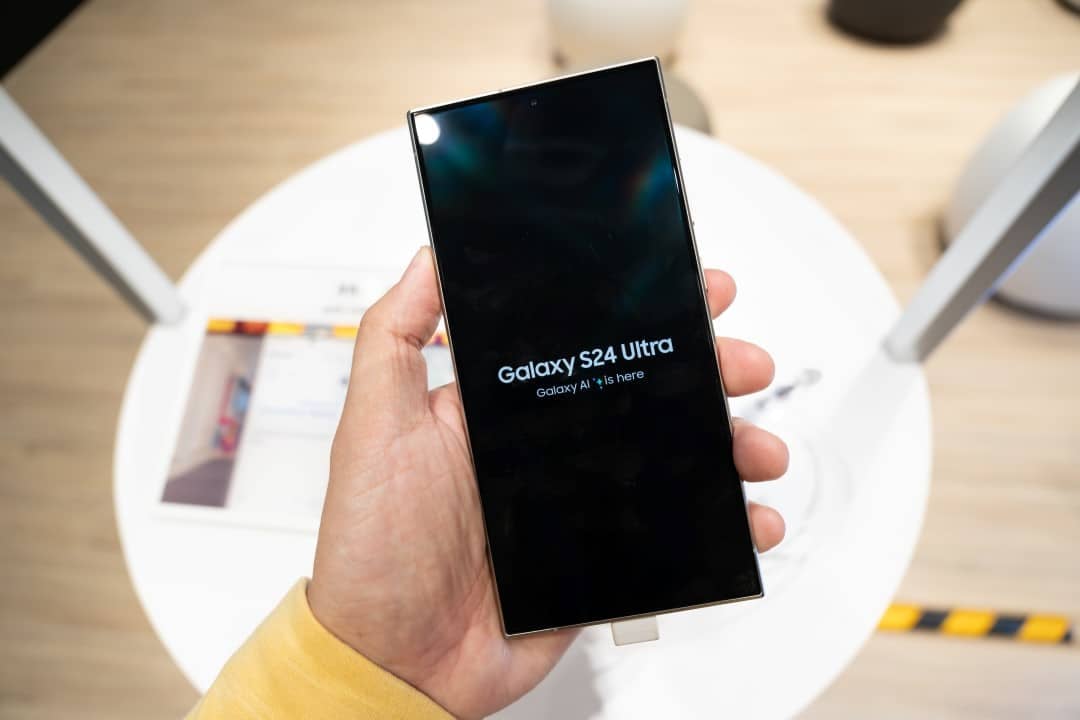
In response to Apple’s rumors and plans, a recent report released by Korean website ET News, and cited by Hartley Charlton, points out that Samsung has already instructed its partners to begin developing interchangeable lens prototypes. Essa movement demonstrates the South Korean giant’s urgency in reacting to the imminent revolution.
Interestingly, Samsung is not new to this field. The company was a pioneer by introducing variable opening technology in its Galaxy S9 and Galaxy S10 smartphones, launched respectively in 2018 and 2019. However, the functionality was later discontinued due to high production costs and the impact on the thickness of the devices, factors that at the time outweighed the benefits. Diante of Apple’s plans, Samsung now sees an “urgent need” to revisit and improve this technology, seeking to replace software-only solutions with genuine mechanical innovations, while also seeking to mitigate costs and volume to avoid the mistakes of the past.
The impact on photographic quality
The cameras on current iPhone models, from the iPhone 14 Pro to the iPhone 17 Pro, operate with a “fixed aperture”, which implies that the amount of light reaching the sensor is constant. Controlling luminosity and depth of field, or background blur, is carried out primarily through software algorithms and digital processing.
The “variable aperture” represents a paradigmatic shift, mirroring the functioning of the human eye and professional digital SLR cameras. Essa technology allows the lens aperture to be mechanically adjusted, expanding or contracting according to the need to capture light.
In low light situations, the lens can be expanded as much as possible, facilitating the entry of a greater amount of light. The result is images that are noticeably sharper and richer in detail, minimizing the reliance on intensive digital processing to compensate for the lack of light.
On the other hand, in environments with excess light, the lens is mechanically narrowed, preventing overexposure of the image and ensuring the capture of more precise and defined details. Essa real-time adjustment capability significantly optimizes exposure, promoting a more natural light balance.
One of the biggest benefits is achieving a genuine “depth of field”, which authentically blurs the background through the refraction of light by the lens itself. Diferente of the blur generated by artificial intelligence, which can occasionally make mistakes in identifying contours and details such as hair, the variable aperture offers a more precise and natural background separation, raising the level of professionalism in the photographs.
Technical challenges and the role of suppliers
Implementing variable aperture in smartphones represents a considerable challenge for engineers. The main barrier lies in the miniaturization of these complex mechanical components, which need to be integrated into increasingly thinner devices, without compromising design or ergonomics. The thickness of the devices was even one of the reasons why Samsung discontinued the technology in the past.
In this scenario, companies specialized in precision optics, such as Largan Precision and Sunny Optical, emerge as key players. Elas are responsible for developing and supplying the advanced lens modules that enable this technology. Collaboration between smartphone manufacturers and these suppliers is crucial to overcome technical hurdles and ensure the feasibility of large-scale production.
Competition in the smartphone market is clearly shifting. Não is more about announcing a greater number of megapixels, but rather about who can offer the most intelligent and sophisticated optical system. The search is on for a camera that can emulate the quality and versatility of a professional cinema camera, all within the compact form factor of a phone.
This race for innovation demonstrates that technology giants recognize that software processing, although advanced, has its limits when the goal is to achieve true cinematic image quality. Combining superior optical hardware with intelligent software is seen as the path to the future of mobile photography, offering users tools that were previously exclusive to high-end equipment.
The legacy of variable aperture
The introduction of variable aperture could solidify the iPhone 18 Pro’s position as a game-changer in the smartphone industry, raising the bar for mobile photography. Essa technology not only enhances the technical quality of images, but also empowers users with creative control previously restricted to professional equipment, allowing for greater artistic freedom.
For the consumer, it means the ability to capture photos and videos with a wealth of detail and depth that software alone cannot replicate. The lens’ adaptability to different light conditions and precision background blurring open up new possibilities for amateur and professional photographers, redefining what is expected from a cell phone camera.
By forcing the industry to focus more on optical innovations, Apple and Samsung drive a virtuous cycle of technological development. Isso could lead to a future where smartphone cameras are truly capable of replacing dedicated photography equipment in many situations, making high-quality photography more accessible and practical for everyone.
User experience in focus
The switch to variable aperture promises a more intuitive and versatile photography experience. The user will no longer need to rely exclusively on scene modes or software adjustments to obtain the ideal photo in different conditions. The ability to physically adjust the lens simplifies the process, allowing focus to be directed to the composition and moment of capture.
This translates into more authentic photos, with colors and contrasts that more faithfully reflect reality. True depth of field adds an artistic dimension to images, making the main subject stand out in a natural and pleasing way. The quality of the images, especially in challenging lighting conditions, will be notably higher, expanding the possibilities of using the smartphone for serious photographic purposes.
The panorama of technological competition
If all plans come to fruition as expected, the iPhone 18
The race for innovation doesn’t stop, and the dispute between Apple and Samsung in the camera area promises to bring more advances.
The new era of competition between giants
The introduction of variable aperture by the iPhone 18 Pro intensifies competition between technology giants, establishing a new battleground focused on optical excellence and the ability to transform mobile photography.
***
iPhone 18 Pro, iPhone camera, Samsung Galaxy, mobile technology, variable aperture
Fotografia professional smartphone, innovation




