Legislature ratifies Milei’s labor reform and forwards project to the Argentine Chamber of Deputies


The Argentine Senate approved, in the early hours of Thursday, February 12, the labor reform proposal of President Javier Milei, which now goes for analysis and possible revision in Câmara of Deputados. The matter received 42 votes in favor and 30 against, in a session marked by intense debates and demonstrations on the streets of Buenos Aires.
The project, part of a broader package of measures to deregulate the economy, seeks to substantially change labor relations in the country. X__NM0____
The process for Câmara is seen as the next big challenge for the government of Milei, which has the goal of transforming the proposal into law before March 1st, the opening date of the period of ordinary sessions of
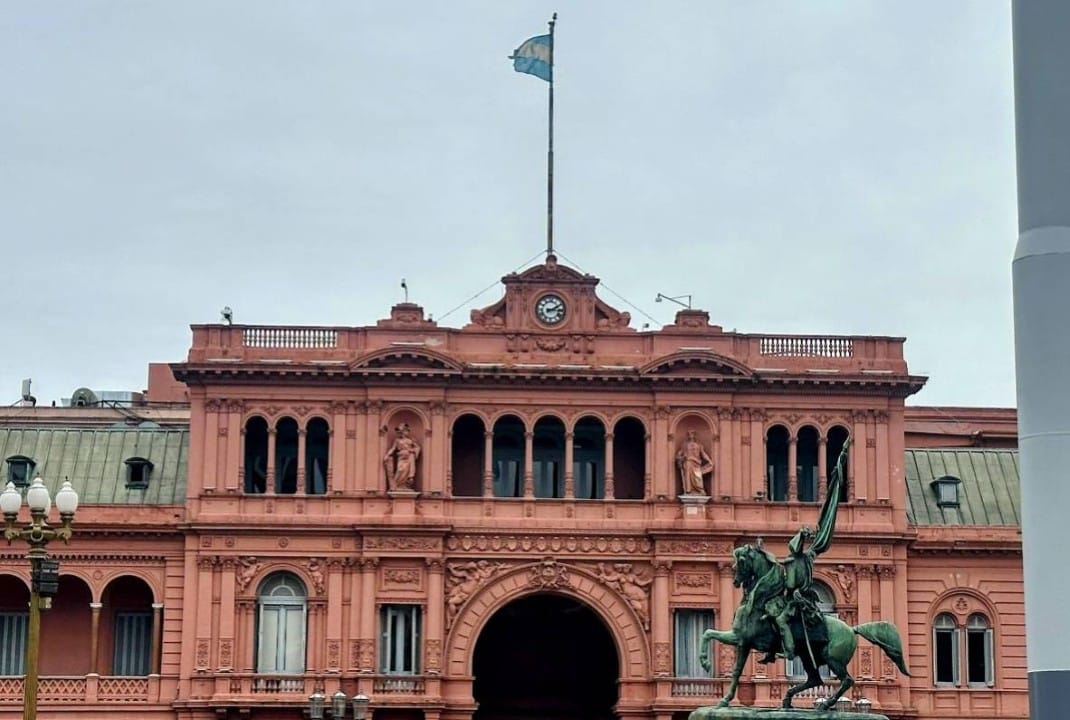
Approval in the Senate and proceeding to the Chamber
The Senate vote was preceded by extensive negotiations and a tense political climate, reflecting the polarization around Milei’s policies. The governing alliance managed to secure the necessary votes after agreeing to around 30 changes to the original text, seeking to appease sectors of the opposition and guarantee approval. Senadores allies of the government, like Carolina Losada, expressed confidence in the satisfaction of businesspeople and workers with the changes agreed at the last minute.
The Câmara of the Deputados will now have the responsibility of debating the project, being able to maintain, change or reject the amendments proposed by the senate. Este process is crucial to define the future of labor legislation in Argentina and the impacts on labor relations and the national economy.
Clashes intensify debates over the project
The Argentine capital was the scene of intense protests and clashes between demonstrators and police on Wednesday, February 11, in reaction to the vote on labor reform. Milhares of people gathered near Congresso Nacional to express their opposition to the government’s Milei project.
The local press reported the injuries of at least four security officers and the arrest of two people amid the riots. Tensions escalated around 3pm, when police tried to confiscate flags from left-wing activists, using pepper spray to disperse the crowd.
Main points of the Argentine labor reform
The labor reform proposed by the government of Javier Milei brings a set of significant changes that aim to make labor relations more flexible in the country. Entre The most highlighted points are the extension of the trial period for new contracts, which can be extended from three to up to eight months, depending on the activity and size of the company, seeking to give employers more freedom in evaluating new employees. Outra crucial change refers to the reduction of compensation for unfair dismissal, one of the most sensitive topics in the proposal, which seeks to reduce the cost for companies when terminating employees, potentially impacting job security for many workers. Além In addition, the project facilitates the dismissal of employees in various situations, such as in cases of business restructuring or economic crises, and introduces changes to the rules that regulate the right to strike and the activities of unions, establishing new requirements and limits for organizing strikes. Tais measures, according to the government, are essential to modernize the Argentine labor market and attract investment.
Government justifications and opposition criticism
The Argentine government argues that labor reform is a vital measure to boost the formalization of a labor market where approximately 40% of the workforce operates informally. The expectation is that, by reducing costs and bureaucracy for companies, there will be an incentive to create formal jobs and a decrease in the number of labor actions, seen as an obstacle to the business environment.
On the contrary, the opposition and unions warn that the project will not result in the expected creation of jobs. Eles point to a scenario of economic stagnation, falling consumption and a decline in industrial production, factors that, in their view, make the expansion of the job market unfeasible. Críticos like Daniel Rosato, president of Associação of Pequenas and
Business entities, although they welcome the flexibility, demand that the reform be accompanied by policies to encourage industrial investment. Sem these complementary measures, the fear is that the legislative changes will not generate the expected growth and could even make working conditions even more precarious.
The dichotomy between the need for flexibility to attract investment and the concern with protecting workers’ rights continues to be the center of the debate.
Economic scenario and the job market
Since Javier Milei assumed the presidency in December 2023, Argentina has implemented a policy of economic opening and reducing the role of Estado, resulting in significant impacts on the job market. Recent Dados indicate the loss of around 300 thousand formal jobs, affecting crucial sectors such as construction, industry and regional economies.
This reduction reflects the search for a reorganization of the economy, but it also exposes the vulnerabilities of workers in a period of transition. Informality, already high, tends to remain a persistent challenge, even with the reform’s intentions to combat this phenomenon.
Economic instability, marked by inflation and currency devaluation, worsens the situation, making the environment even more complex for creating and maintaining jobs. The expectation is that the reform, if approved, will bring a new paradigm to employment relations, whose long-term results are still uncertain.
Political negotiations and union divisions
The approval of the project in the senate was the result of an intense negotiation process between the government and various political forces. The changes introduced in the original text were crucial to garnering the necessary support, highlighting the Milei government’s capacity for political articulation, even in a fragmented congress.
However, the changes did not unify the union movement. Enquanto alguns setores buscam diálogo e ajustes na proposta, outros, como o combativo sindicato dos trabalhadores do setor de óleo (Aceiteros), defendem uma greve geral como forma de oposição às mudanças. Essa division could hamper the implementation of the reform and generate new waves of protests.
Future of legislation on the agenda
With the reform now in Câmara of the Deputados, the future of Argentine labor legislation remains open. The debate promises to be heated, with the government seeking quick sanctions and the opposition and unions ready to resist. The final decision will have profound implications for the country’s economy, workers and business environment.