
Medical community denies viral video that associates Bluetooth headphones with the risk of Alzheimer’s


An alarming video began circulating intensely on social media since the beginning of February, causing concern among users of wearable technology. The viral content claims that the use of wireless headphones would be a direct trigger for the early development of Alzheimer disease, further suggesting that the waves emitted by these devices would destroy the blood-brain barrier. Contudo, experts in neurology and telecommunications engineering acted quickly to classify these claims as false and without any scientific basis.
The spread of this type of misinformation comes at a time when generative artificial intelligence is making it easier to create convincing but misleading audiovisual materials. Ferramentas digital forensic analysis indicated that the video in question has a greater than 95% probability of having been generated by AI algorithms, using synthetic voices and scripts designed to exploit public fear. The narrative constructed in the video ignores decades of studies on radiofrequency and biology, opting for a sensationalist approach to generate engagement on digital platforms.
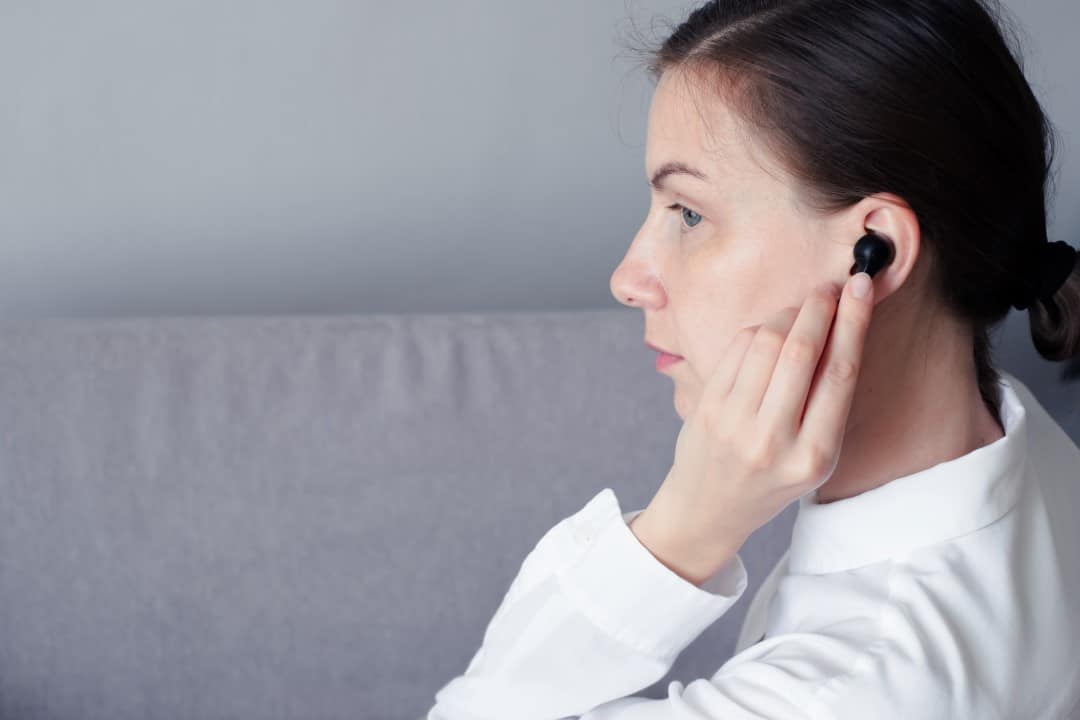
International health organizations and telecommunications regulatory agencies maintain strict security protocols for all electronic devices sold. The Bluetooth technology, the focus of the rumor, operates within extremely low power limits, incapable of causing the cellular or genetic changes described in the false material. The scientific community reinforces that there is no evidence linking the non-ionizing radiation from these accessories to neurological damage or degenerative diseases.
Differences between ionizing and non-ionizing radiation
To understand why the video’s claim is unfounded, it is essential to understand the physics behind wireless technology. The Bluetooth headphones operate at a frequency of 2.4 GHz, which falls within the non-ionizing radiation spectrum. Diferente X-rays or nuclear radiation, which have enough energy to remove electrons from atoms and damage DNA, radio waves used in headphones do not have this energy capacity. Elas work in a similar way to FM radio waves or the Wi-Fi signal, which have permeated the modern environment for years without causing public health crises.
The transmission power of these devices is another crucial factor that guarantees their safety. Enquanto a smartphone can operate with powers that vary depending on the signal quality of the tower, Bluetooth headphones transmit with a power of just a few milliwatts. Isso represents a tiny fraction of the energy emitted by a conventional cell phone. Do biological point of view, the amount of energy absorbed by the human body during the use of these accessories is insignificant and insufficient to cause tissue heating or structural damage to the brain.
Long-term epidemiological studies have been conducted to monitor the effects of exposure to electromagnetic fields. Até At this time, no peer-reviewed research has established a causal link between normal use of wireless devices and breakdown of the blood-brain barrier in humans. The barrier that protects the brain is a robust and complex structure, and claims that low-power radio signals could pierce it are not supported by current medical literature.
The role of artificial intelligence in disinformation
Technical analysis of the viral video revealed the sophisticated use of artificial intelligence content generation tools. The narration, which sounds authoritative and scientific to laypeople, features speech patterns and intonation characteristic of speech synthesis software. Além Furthermore, the images used to illustrate the supposed brain damage are generic or artificially generated, without corresponding to real medical examinations of patients with Alzheimer or neurological injuries.
This phenomenon highlights a growing challenge in consuming information online. Criadores of malicious content uses fear of serious illnesses and distrust in new technologies to make materials go viral. The objective, most of the time, is monetization through views and shares, without any responsibility for public health or factual truth. The ease of production of these videos allows ancient myths to be repackaged with a veneer of modern credibility.
Proven risk factors for Alzheimer
While misinformation diverts attention to non-existent causes, medicine focuses on real and proven risk factors for Alzheimer disease. The condition is multifactorial, involving a complex combination of genetics, lifestyle and environmental factors that act over decades. Atribuir the emergence of the disease when using a technological accessory mistakenly simplifies a serious pathology.
The main elements that contribute to the development of dementia include:
- Advanced age and family history of neurodegenerative diseases, which remain the strongest predictors.
- Untreated cardiovascular conditions, such as high blood pressure and high cholesterol, which affect the vascular health of the brain.
- Sedentary lifestyle and lack of cognitive stimulation throughout life, reducing the neural reserve that protects against decline.
- Type 2 diabetes and obesity, which cause systemic inflammatory processes harmful to the central nervous system.
- Social isolation and untreated depression, which have been linked to a greater risk of cognitive decline in older adults.
Regulation and continuous monitoring
All electronic devices that emit radio waves must undergo rigorous testing before they reach the market. No Brasil and around the world, regulatory agencies set limits of Taxa of Absorção Específica (SAR), which determine the maximum amount of energy that the human body can absorb from a device. The Bluetooth headphones are consistently well below these maximum allowable limits, offering a wide margin of safety for the consumer.
Organização Mundial of the Saúde (WHO) and other international entities continually monitor the scientific literature for new risks. Classificações of risk are periodically reviewed based on new evidence. Mesmo with the ubiquity of wireless technology in the last two decades, there has not been an increase in the incidence of brain tumors or degenerative diseases that could be attributed to this equipment, contrary to the catastrophic predictions disseminated by internet chains.
The experts’ recommendation is to remain skeptical when faced with sensationalist news that promises to reveal hidden dangers in everyday technologies, especially when this news arrives through short videos on social networks without verifiable sources. Consulting official health channels and checking information on professional journalism portals remain the best defenses against unnecessary panic.



