
MP accuses woman under Prince Andrew in Epstein photos of being victim of sex trafficking


Images released in the so-called “Epstein files” reignited an intense controversy involving Andrew Mountbatten-Windsor, former prince of Reino Unido. The photographs were displayed during a crucial hearing of the Comissão Judiciária of the Câmara of the Representantes of the
The photos in question show Andrew crouching next to a woman whose identity has not been revealed, inside Jeffrey Epstein’s mansion, located in Nova York. The exact context and date these photographic records were taken remain unknown to the public, adding a layer of mystery to their interpretation.
During the legislative session, Democratic Representative Ted Lieu brought to light the allegation that the woman depicted in the images was a victim of sex trafficking. Ele based his statement on Lei Federal of Proteção to Vítimas of Tráfico of
The controversy over the photos and the testimony at the congress
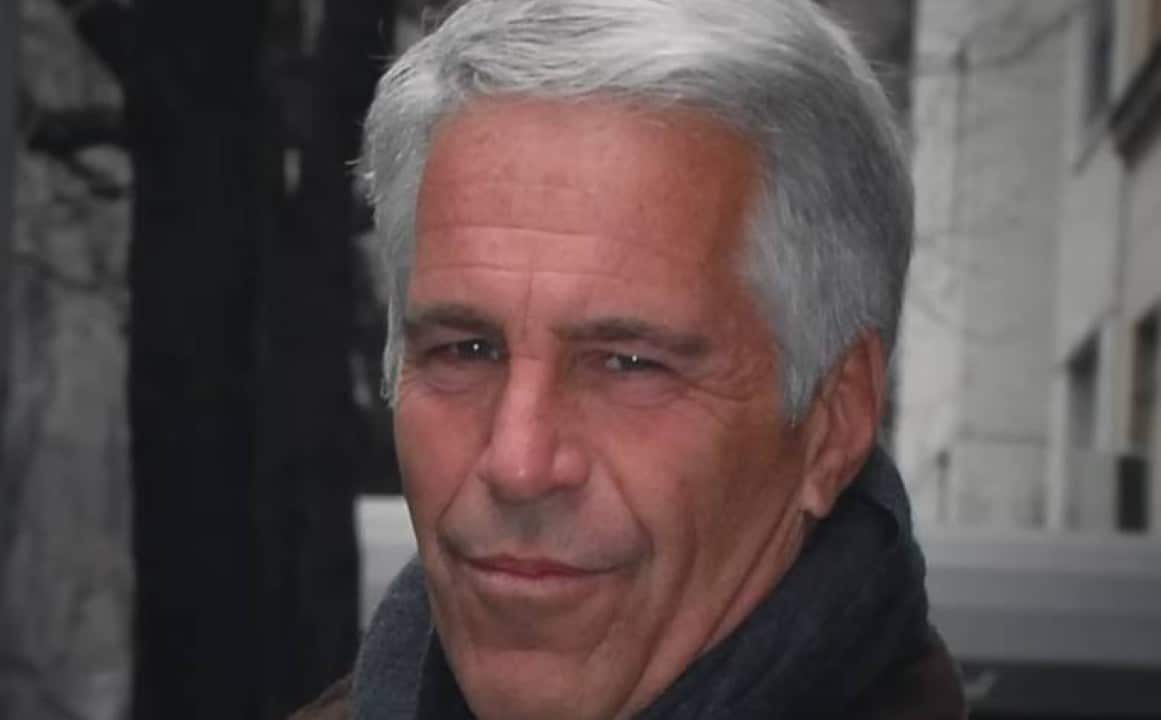
The exhibition of photos at Câmara of Representantes marked a moment of high political and legal tension. Ted Lieu, in his testimony, emphasized the seriousness of the images, declaring that they represented more than an indication, but rather “proof of a crime”, according to a report in the English newspaper Daily Mail. The deputy’s firm stance aimed to pressure the authorities for a more in-depth investigation.
Pam Contudo, she challenged the interpretation of Lieu, stating that the photographs, in themselves, do not constitute sufficient evidence to prove the commission of any criminal offense.
The extensive legacy of the Epstein files
The release of millions of documents related to Jeffrey Epstein has been a gradual and ongoing process, maintaining global attention on the case. Esses files exposed a vast network of links between the financier accused of sexual crimes and several prominent figures in society, including political leaders, businesspeople and members of royalty from different countries, generating unprecedented scrutiny.
The nature of Epstein’s crimes, centered on the sex trafficking of minors, shocked the world and triggered a series of investigations and reassessments regarding the responsibility of his associates. The complexity of the case lies not only in the barbarity of the acts, but also in the financier’s ability to operate with impunity for years, protected by his influence and contacts.
The search for justice for the victims of Epstein continues, driven by the publication of these documents. Cada new revelation serves as a reminder of the need for accountability and transparency, maintaining public scrutiny and pressure on authorities so that all ramifications of the crime network are properly investigated and those involved punished.
Legal ramifications and the figure of Prince Andrew
Prince Andrew’s connection to Jeffrey Epstein has been one of the most controversial aspects of the scandal, leading to a considerable damage to the reputation of the British royal family. Apesar of Andrew’s repeated denials of any involvement in irregularities, the persistence of the allegations and the release of new images keep him at the center of media and judicial attention.
The US Departamento of Justiça, although it released more than three million documents from the Epstein case, never formalized criminal charges against the Duke of York. Essa The absence of a formal process is a central point of contention, especially for those who advocate a more robust investigation into their participation in the events. The complexity of proving sex trafficking crimes based on indirect evidence or photographs without clear context presents a significant challenge for prosecutors.
Despite the lack of criminal charges, the consequences for Andrew were severe. Ele was compelled to step aside from his royal duties and had his honorary military titles and royal patronages revoked, demonstrating the public and institutional impact of his association with Epstein and the accusations surrounding him.
The debate about evidence and victim protection
The discussion in Câmara of Representantes highlighted the fine line between the evidence that justifies an investigation and the evidence necessary for a conviction. Deputy Ted Lieu argues that the photographs are “more than enough to justify an investigation” against former prince Andrew, pointing to the need to explore in depth the context in which they were taken and the role of those involved.
On the other hand, Procuradora-Geral Pam Bondi, by denying that the photos prove a crime in themselves, highlighted the importance of protecting the identity of the victims. The concealment of women’s faces in images is a legal protocol to safeguard the privacy and well-being of individuals who may have been exploited, preventing public revictimization and ensuring that their identities are not exposed without consent and legal necessity.
The public impact of document disclosure
The repercussion of the release of the Epstein files and new images has been broad, not restricted only to the Estados Unidos, but strongly echoing in the Reino Unido and in other countries. The international media has been closely following developments, with public opinion demanding more clarity and accountability from all figures involved.
This public pressure exerts considerable influence on judicial and government authorities. Há a growing expectation that all leads and connections raised by the documents will be thoroughly investigated in order to ensure that no accomplice in Jeffrey Epstein’s network escapes justice, regardless of their social status or power.
The credibility of institutions is at stake given the complexity of the case, especially when such powerful figures are implicated. The way justice deals with these challenges serves as a barometer of the transparency and impartiality of the legal system, both in the US and globally. The discussion about Lei Federal from Proteção to Vítimas from Tráfico from
Challenges in investigating historical crimes
Investigating crimes that occurred years ago presents significant difficulties for authorities. The passage of time can lead to the loss of physical evidence, the weakening of witnesses’ memories and the reluctance of victims or those involved to speak out. Esse scenario adds a layer of complexity to the search for answers in the Epstein case.



