
New seven-seater versions of the Toyota Raize and Daihatsu Rocky will have a hybrid engine and greater space

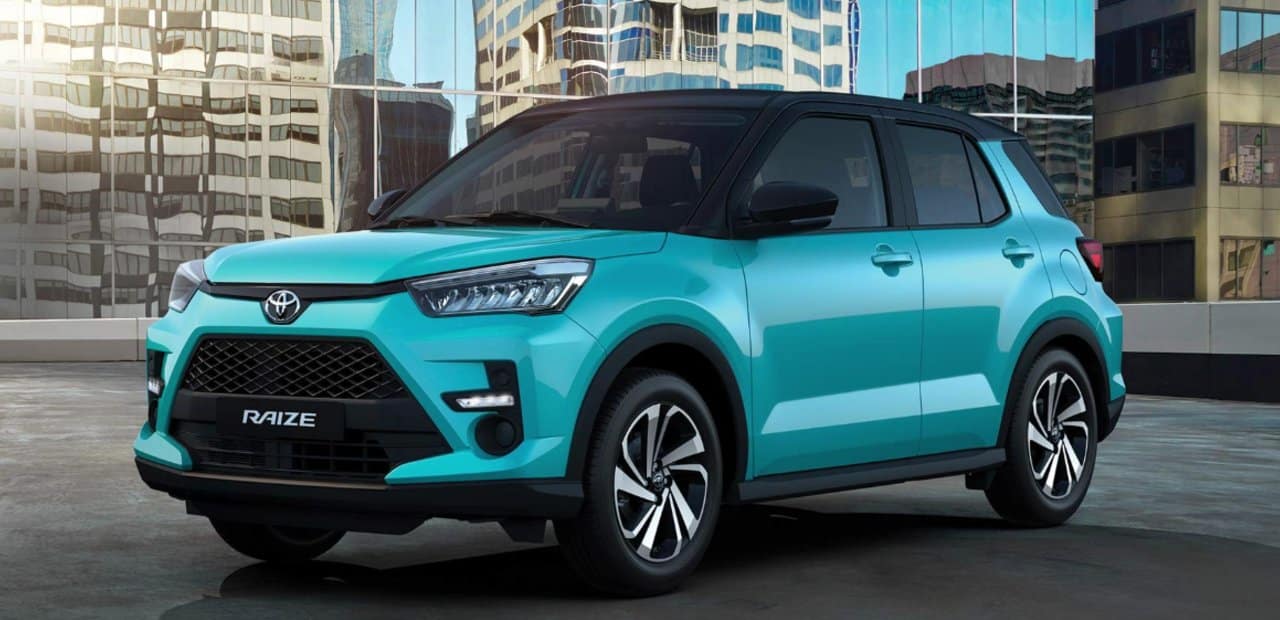
The Asian automotive industry is preparing a significant update for the compact SUV segment, with the confirmation of the development of new elongated variants of popular models. Toyota and Daihatsu, strategic partners in the development of compact vehicles, are advancing in the design of seven-seater versions of the well-known compact SUVs, which will be named “Raize Space” and “Rocky Space”. The initiative aims to meet the growing demand for versatile family vehicles that maintain fuel efficiency and ease of maneuvering in urban environments.
This strategic move by Japanese automakers directly responds to the need to offer more passenger capacity without necessarily migrating to larger and more expensive vehicle segments. The official launch is expected to take place between the end of 2026 and the beginning of 2027, marking a new phase in the collaboration between the two brands, which use shared platforms to optimize production costs and accelerate the introduction of new technologies to the mass market.
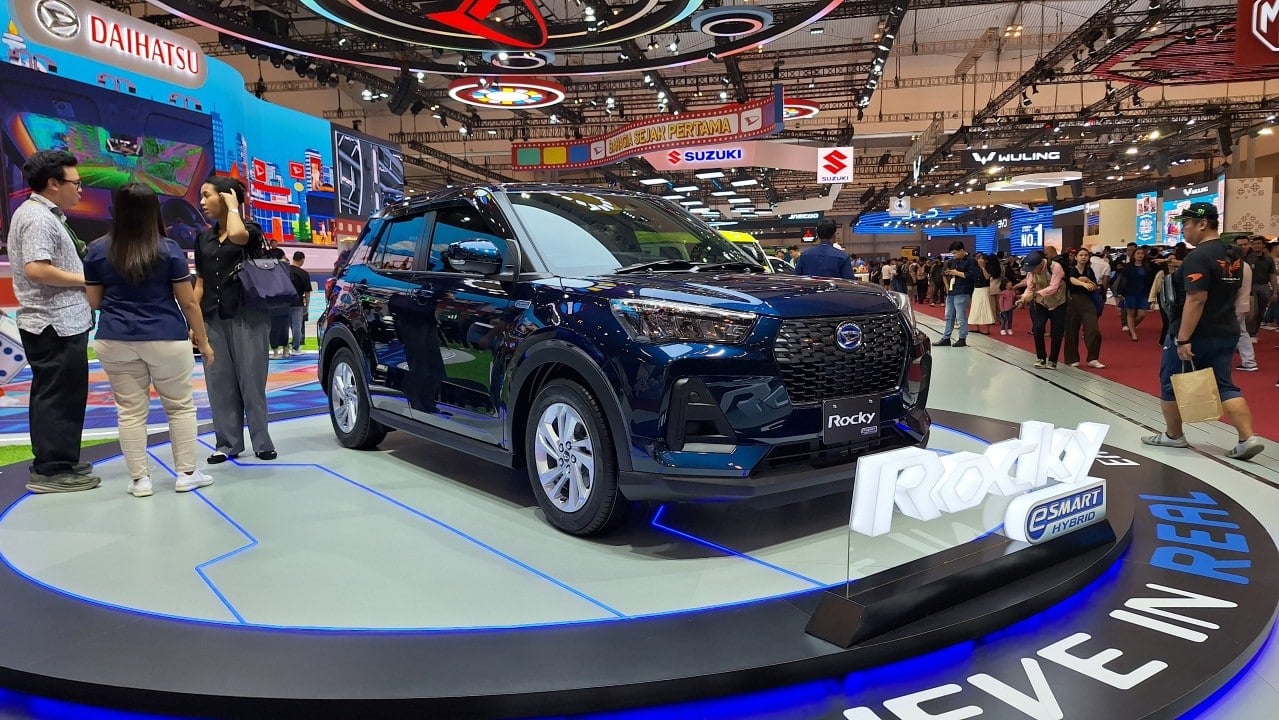
The main focus of this development is on maximizing internal space through the DNGA (Daihatsu New Global Architecture) platform. Esta modular base allows significant structural adjustments, ensuring that, even with increased dimensions to accommodate the third row of seats, the vehicle’s torsional rigidity and safety are maintained or even improved. The proposal is to deliver a vehicle that works both for daily family transport and for trips that require greater load capacity.
Expansion of the body and DNGA platform
To enable the inclusion of a third row of seats, engineers made substantial changes to the models’ original dimensions. Estima The total length of vehicles is expected to jump from the current 3,995 mm to around 4,400 mm. Este aumento de mais de 40 centímetros é fundamental para criar um habitáculo capaz de acomodar até sete ocupantes com um nível aceitável de conforto, diferenciando estas novas versões dos modelos convencionais de cinco lugares.
Despite the longitudinal growth, an important technical characteristic has been preserved: the body width remains at 1,695 mm. Esta engineering decision is not random; it aims to keep vehicles within the favorable tax classification in Japão, known as “plate 5”, in addition to ensuring the agility necessary to travel through narrow streets and large congested urban centers. Maintaining width requires creative interior design solutions to optimize lateral habitability.
The wheelbase has also been revised to support the new configuration. The lengthening of the DNGA platform not only provides physical space for the extra seats, but also improves the vehicle’s directional stability on highways. The reinforced structure ensures that the SUV’s dynamic behavior remains safe and predictable, even when loaded to its maximum passenger and luggage capacity.
e-Smart technology
The technological heart of the new Raize Space and Rocky Space lies in the propulsion system. The brands’ big bet is the implementation of the “e-Smart Hybrid” system. Diferente of traditional parallel hybrid systems, this technology works like a series hybrid system. Isso means that the internal combustion engine does not drive the wheels directly; its exclusive function is to act as an energy generator to power the electric motor and battery.
This mechanical arrangement offers a driving experience very close to that of a 100% electric vehicle. The driver benefits from the electric motor’s instantaneous torque from the start, providing agile response in urban traffic (“stop-and-go”) and safe overtaking. The system is designed to maximize energy efficiency by automatically managing the operation of the gasoline engine so that it always operates in its ideal speed range, reducing fuel consumption and pollutant emissions.
In addition to the hybrid version, the project also includes an option with a conventional engine. Trata has a 1.2-liter three-cylinder aspirated engine, focused on cost-benefit. Já the hybrid version should deliver a combined power of around 110 horsepower and a torque of approximately 17 kgfm, numbers sufficient to move the larger body with ease, ensuring that performance is not sacrificed for the sake of additional space.
Renewed design and internal versatility
The structural changes required a review of the exterior design, especially at the rear of the SUVs. The rear doors have been redesigned and enlarged to facilitate access to the third row of seats, a critical point in compact seven-seater vehicles. The rear overhang (the part of the car after the rear wheel) has been extended, and a new spy window has been incorporated into the C-pillar to reduce the feeling of claustrophobia for rear passengers and improve visibility for the driver.
Internally, the seating configuration follows the 2+3+2 pattern. The second row stands out with sliding and reclining mechanisms, allowing occupants to adjust legroom according to the need to use the third row. Embora Although the last two seats are more suitable for children or short journeys, their presence offers invaluable versatility for larger families. Quando are not in use, these seats can be folded down, creating a flat floor and considerably expanding the trunk capacity.
Comfort on board also received attention, with the inclusion of specific amenities for rear passengers. The design provides dedicated air conditioning outlets and USB ports for charging mobile devices in all rows, recognizing the need for connectivity and thermal comfort for all occupants. The front panel must maintain the already known visual identity, but with updates to the infotainment system to support the car’s new features.
Market positioning and expectations
The arrival of the new Raize Space and Rocky Space should redefine competition in the compact SUV segment in the Ásia. By offering seven seats in a compact and economical package, the Toyota and Daihatsu create an attractive market niche for consumers seeking rationality. The pricing strategy, although not yet official, suggests competitive values, with the combustion version starting at around 2.35 million yen and the top-of-the-line hybrid variant reaching 2.9 million yen.
Shared production and the use of common components are the keys to keeping these prices affordable. The collaboration between the two companies makes it possible to dilute the development costs of the new body and hybrid system. Para the consumer, this translates into a vehicle with modern technology and generous space, without the price premium usually associated with medium and large SUVs.
The launch of these models reinforces the automakers’ commitment to electrification and adaptation to the real needs of modern families. With the launch date approaching, it is expected that more technical details and equipment specifications will be revealed in the coming months, consolidating the position of Toyota and Daihatsu as leaders in the innovation of compact and efficient vehicles.



