
Parts shortage and high demand lead Toyota to suspend hybrid SUV orders until the end of 2026


The global automobile industry faces a new chapter of logistical challenges that directly impact the end consumer and the strategies of large automakers. Toyota confirmed the temporary halt in accepting new orders for one of its most sought-after sports utility models on the international market. The drastic measure was taken in response to a volume of orders that significantly exceeded current production capacity, exacerbated by instability in the supply of essential components.
The scenario reflects a “perfect storm” that combines the high attractiveness of electrified vehicles with bottlenecks in the supply chain that still persist in 2026. The Japanese automaker chose to suspend sales to avoid unrealistic delivery times, prioritizing transparency with customers who are already waiting in line. The forecast is that the normalization of the order flow and the resumption of sales will only occur in the second half of this year.
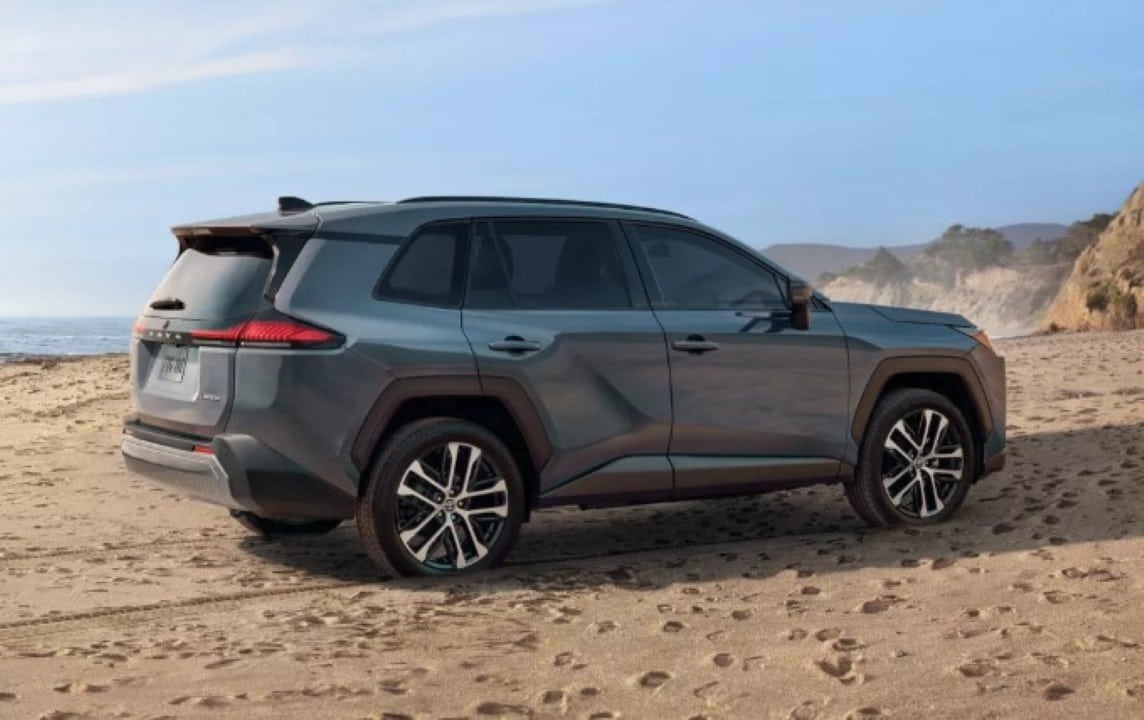
To manage the situation and guarantee the quality of service, the company established clear guidelines for the dealership network. The disruption aims to allow factories to process the existing backlog before making new business commitments. Entre the main factors that motivated this strategic decision stand out:
– The continued shortage of specific semiconductors for advanced security systems;
– Dificuldades logistics in the maritime transport of global parts;
– Market demand higher than initial projections for the fiscal year.
Commercial strategy and brand protection
The decision to stop the entry of new customers into the waiting list is a crisis management maneuver aimed at preserving the brand’s image. Executivos from the sector point out that accepting orders without a confirmed production date could generate frustration and distrust in the market. By freezing orders, the manufacturer signals a commitment to delivering vehicles already sold, avoiding the stress of repeatedly postponing the dates promised to consumers.
Dealers have been instructed to focus on relationships with their current customer base by providing constant updates on production status. The vehicle allocation system is being revised to optimize the distribution of units leaving the assembly line, ensuring that older orders are fulfilled with priority. Essa approach tries to mitigate the migration of buyers to competing brands that may have stocks available for ready delivery.
Market analysts note that although the suspension is a temporary setback to sales, it demonstrates the strength of the product. The high demand for the model, even with long waiting times, validates the automaker’s strategy of investing heavily in hybrid technologies and sophisticated design. The expectation is that, when orders reopen at the end of 2026, pent-up demand will generate a new sales peak, consolidating the SUV’s position in the premium segment.
TNGA platform and energy efficiency
The resounding success of the model, which culminated in this suspension of sales, is intrinsically linked to its engineering based on the global TNGA architecture (Toyota New Global Architecture), specifically the GA-K variation. Esta platform allowed engineers to lower the vehicle’s center of gravity and increase the body’s torsional rigidity. The practical result is an SUV that offers superior handling, with greater stability in curves and a more precise response to the steering wheel, characteristics valued by the modern consumer.
Under the hood, the hybrid system that combines a 2.5-liter combustion engine with electric drives continues to be the benchmark for efficiency in the category. The technology allows for a smooth transition between the use of gasoline and electricity, optimizing fuel consumption on both urban and highway journeys. The calibration of the mechanical package has been refined to offer not only economy, but also robust overtaking performance, balancing power and sustainability.
Differentiators of the plug-in hybrid system
The PHEV version (Plug-in Hybrid Electric Vehicle) of the model is the one with the greatest production complexity and, consequently, the longest waiting list. Este system allows the vehicle to operate as a 100% electric car for most daily trips, thanks to a higher capacity battery that can be recharged at domestic sockets or public stations. Para For many owners, this means going weeks without needing to fill up with fossil fuel.
The versatility of the plug-in system eliminates the “range anxiety” common in pure electric vehicles. Quando the battery charge runs out or when the driver demands maximum power, the combustion engine comes into action automatically, ensuring that long journeys can be completed without the need for stops to recharge.
In addition to efficiency, the PHEV model offers extremely silent and vibration-free operation when in EV mode. Sound insulation has been reinforced to complement the absence of engine noise, creating a cabin experience that rivals luxury vehicles in higher segments.
This combination of practical usability with environmental benefits has turned the SUV into an object of desire. Embedded technology, which manages energy flow intelligently, is one of the components that suffers most from the shortage of chips, justifying the necessary pause to rebalance the production chain.
Advanced security as a priority
The automaker does not give up on delivering the vehicle with the complete Toyota Safety Sense safety package, which adds another layer of complexity to production due to the need for high-tech sensors and processors. The package includes pre-collision systems with pedestrian and cyclist detection, adaptive cruise control and lane keeping assistant. The latest software update has improved the ability to recognize dangerous situations at intersections and at night, raising the standard of protection for occupants. Para consumers awaiting the reopening of orders at the end of 2026, the guarantee is that they will receive a product that has not undergone technological “plucking” to speed up delivery, maintaining the integrity and value proposition of the vehicle.



