
Samsung’s generational clash compares the performance of the Galaxy S24 with the new A56 5G intermediary

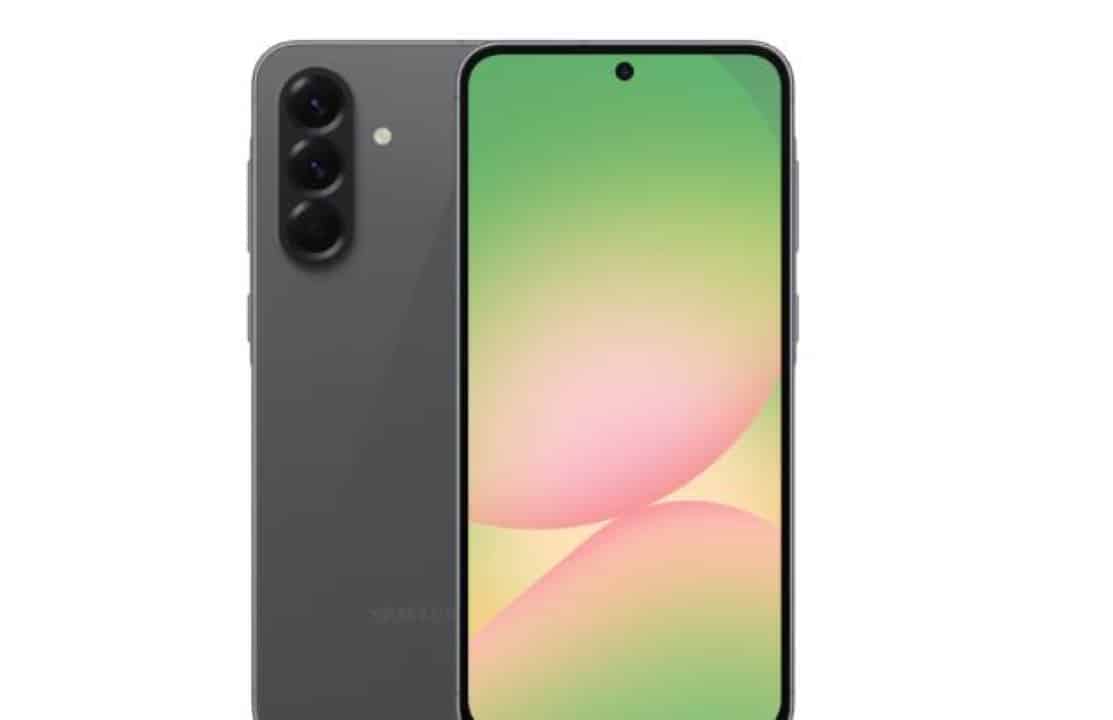
The decision between purchasing a high-end device from previous generations or investing in a recent mid-range release has become a common dilemma for Samsung consumers this year. With the rapid evolution of technical specifications, models like the Galaxy A56 5G are starting to offer experiences that rival older premium devices, creating an interesting intersection zone in the South Korean brand’s portfolio. Detailed analysis of the technical sheets reveals that, although the gap between the categories has narrowed, fundamental differences in construction and processing still separate the two segments.
For users who prioritize cost-benefit, the new A line presents solid arguments, especially considering the battery durability and more affordable price. However, the Galaxy S24 line, even with time on the market, continues to offer exclusive camera features and screen quality that are difficult to match by mid-range models, maintaining its value for multimedia enthusiasts and heavy games.

Raw performance and technical specifications
The Galaxy S24 Plus maintains its prominent position in the market thanks to the Exynos 2400 processor, which works in conjunction with 12 GB of RAM. Essa combination guarantees superior longevity for the device, allowing complex applications and multitasking to run without hiccups, something essential for anyone planning to keep their cell phone for many years. The presence of a QHD+ screen with 2X AMOLED technology and a refresh rate of 120 Hz complements the package, offering one of the best visual experiences currently available.
In contrast, the Galaxy S24 FE acts as a balance point within the premium family itself, using a variation of the chip, the Exynos 2400e. With 8 GB of RAM and storage options starting at 128 GB, the model maintains the essence of the S line, including advanced Galaxy AI artificial intelligence features, but with strategic concessions to reduce the final price for the consumer.
In the intermediary spectrum, the Galaxy A56 5G arrives equipped with competent hardware for daily use, although inferior in brute strength when compared to its older “brothers”. The performance is satisfactory for social networks and games in medium quality, but practical tests indicate that the rendering and image processing speed still lags behind the S series, justifying the difference in market positioning.
Crucial differences in cameras and imaging
The clearest distinction between the lines lies in the photographic set, where the S series demonstrates its technical superiority. The Galaxy S24 The ability to record videos in 8K resolution is a differentiator that attracts content creators looking for the maximum definition possible.
The A series models, in turn, adopt a more pragmatic approach, focusing on what most users use on a daily basis. The main 50 MP sensor is present and delivers excellent results in good light conditions, but the absence of a dedicated zoom lens and the limitations in night photography are noticeable. The A56, however, brings significant improvements to the 12 MP front camera, optimized for selfies and video calls with greater clarity.
- 50 MP main sensor present in both categories, guaranteeing basic sharpness.
- Real optical zoom and 8K recording restricted to models in the Galaxy S line.
- Dedicated macro mode present in the A line, absent in the S line which uses ultrawide for this function.
- Superior night image processing on models with Exynos 2400 processor.
Battery autonomy and durability
One of the great assets of the mid-range line is energy management, an aspect where the Galaxy A56 and A36 tend to outperform premium compact models. Equipados with 5,000 mAh batteries, these devices are designed to withstand intense days of use, often lasting more than a day and a half away from the socket, depending on the user’s profile. The efficiency of intermediate processors contributes to this positive result.
The S24 line has varied capacities, with the base model having 4,000 mAh and the Plus version reaching 4,900 mAh. Although software optimization is excellent, the energy demands of high-resolution screens and powerful processors tend to drain the charge more quickly in intense use. The S24 FE, with its 4,700 mAh, tries to offer a middle ground, but is still slightly behind the raw autonomy seen in the A series.
Update policy and longevity
Software support has become a deciding factor when purchasing modern smartphones, and Samsung is leading the charge in the Android ecosystem. The Galaxy S24 line is guaranteed for seven years of operating system and security updates, which ensures that the device will remain current and secure until the next decade. Isso considerably increases the resale value and useful life of the product.
For line A, the policy is robust, but a little more modest. The Galaxy A56 should receive up to five years of security patches and four major updates from the Android. Embora is excellent support for the category, it is a step below that offered for flagships. Considerando the current price, where the A56 can cost around R$2,220 and the S24 Plus is around R$4,528, the consumer should consider whether the extra years of support and the glass and metal finish justify the double investment.




