
US nuclear strategy aims to lead in space energy with reactor on the Moon by 2030

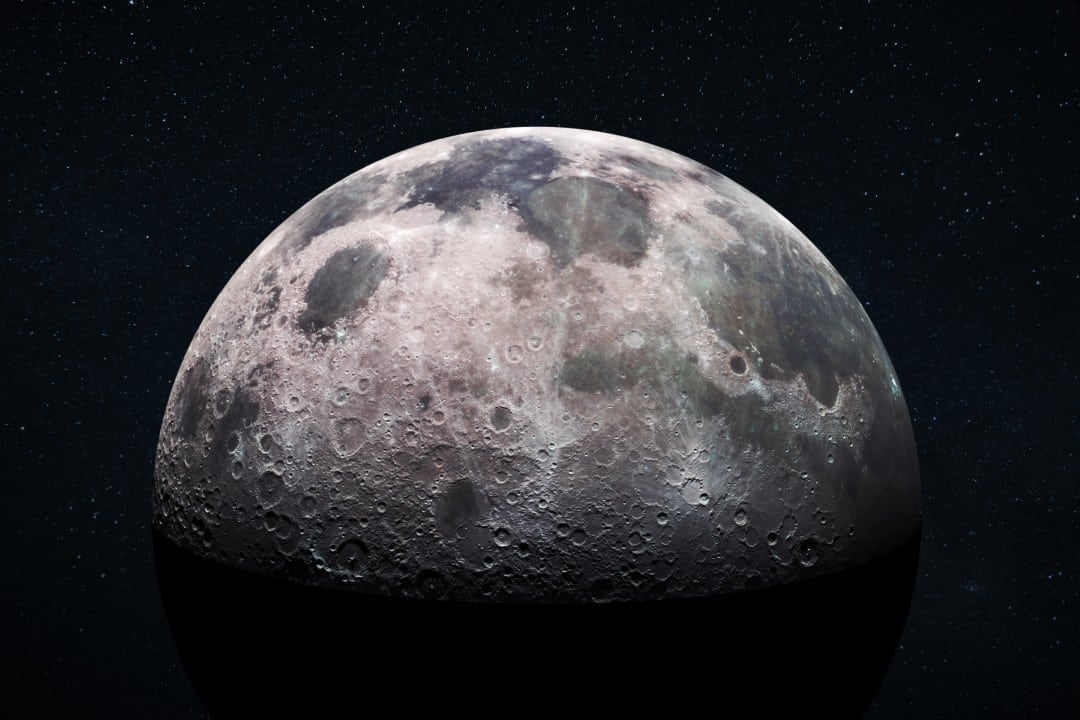
The Estados Unidos advance a strategy to establish energy dominance in space through nuclear fission reactors. The plan calls for the installation of a reactor on the lunar surface by 2030, according to NASA guidelines in partnership with Departamento of Energia. Essa initiative seeks to provide continuous and high power for prolonged space missions.
Energy represents a critical factor in space exploration, allowing operations in hostile environments such as Lua and Marte. Especialistas highlight that nuclear systems offer a significant increase in generation capacity compared to solar panels or traditional batteries. The Idaho National Laboratory coordinates tests and developments to adapt nuclear technologies to space conditions.
The current focus is on overcoming technical limitations that differentiate terrestrial from space reactors. Profissionais involved emphasize the need to reduce mass and guarantee operation for a decade without maintenance.
Nuclear technologies applied to space
Radioisotope power systems have been operating on space missions since the 1960s. Esses devices convert heat from the decay of plutonium into electricity, powering probes like Voyager and rovers at However, they provide limited power, insufficient for permanent bases.
Surface fission reactors represent the next step, capable of generating tens or hundreds of kilowatts. NASA prioritizes this development to support lunar habitats and intensive science operations. Testes in terrestrial facilities simulate space conditions to validate fuels and components.
Technical challenges of space reactors
Space reactors require minimum mass, as each gram impacts the launch cost. Engenheiros avoid coolants like water, which require heavy pressure vessels. Materiais need to withstand high temperatures to maximize energy efficiency.
Durability reaches ten years of continuous operation without interventions. Diferentemente of terrestrial plants, which stop periodically for maintenance, these systems operate in a vacuum and intense radiation. The Idaho National Laboratory conducts experiments to qualify suitable technologies.
These obstacles demand innovations in metal alloys and compact designs. Colaborações between national laboratories and private industry accelerate viable solutions. Preliminary Resultados indicate progress on low-power prototypes.
Proposed Strategies for American Leadership
A recent report presents three paths for implementing nuclear power in space. The “Go big or go home” option suggests a large-scale project, between 100 and 500 electrical kilowatts. Liderado by NASA, or Departamento of Defesa, would require consistent funding and centralized direction.
Another approach, called “Chessmaster’s gambit”, divides efforts into two smaller projects. One would focus on the lunar surface, the other on orbital applications, with public-private partnerships. Empresas would choose technologies and fuels to meet deadlines and budgets.
- Reduction of technical risks when distributing investments;
- Acceleration via competition between private suppliers;
- Flexibility to adjust designs as advances;
- Establishment of specialized supply chains.
The third way, “Light the path”, prioritizes small demonstrations with a radioisotope system. Essa gradual route creates regulation and experience for the private sector.
History and global context of space nuclear energy
States Unidos and União Soviética tested space reactors in the 1960s and 1970s. The SNAP program produced the SNAP-10A, the first American reactor in orbit. Experiências Soviets included multiple operational systems on satellites.
Currently, no nation operates fission reactors in space. The American recovery responds to the expansion of international space programs. Parcerias between NASA and Departamento of Energia strengthen national capabilities.
Consistent investments position the US at the technological forefront. Laboratórios like Idaho National Laboratory coordinate research at specialized facilities. Testes transients simulate real-world conditions to validate safety and performance.
Operational advantages on Lua and Marte
Nuclear reactors provide energy independent of sunlight in Lua. Regiões lunar polars receive almost constant illumination, but permanent dark craters require alternative sources. Elevated Potência allows resource extraction and propellant production.
At Marte, greater distances reduce solar panel efficiency. Sistemas nuclear power plants ensure operation during global dust storms. Bases Humans require electricity for life support and scientific experiments.
This capability expands possibilities for sustainable exploration. Missões Artemis benefit directly from the lunar schedule. Projeções indicate expansion to Marte in the following decade.
Institutional collaborations and future perspectives
NASA and Departamento of Energia have a long-standing partnership on nuclear technologies. The Idaho National Laboratory acts as a technical coordination center. Empresas private companies participate in design and construction phases.
Current developments pave the way for commercial applications. Regulamentações emerging markets facilitate private sector participation. Initial Demonstradores validate concepts for larger scales.
The American strategy seeks to maintain leadership in nuclear space power. Avanços benefit scientific missions and human exploration. Successful Implementação positions Estados Unidos as a reference in extraterrestrial energy.
Operational details and design requirements
Space components face intense cosmic radiation and extreme thermal cycles. Designs prioritize integrated shielding without adding excessive mass. Conversores thermoelectrics transform heat into electricity with optimized efficiency.
Heat rejection systems use lightweight vacuum radiators. Ausência of atmosphere eliminates convection, requiring specific solutions. Engenheiros test configurations to maximize thermal dissipation.
Enriched fuels support long periods of controlled fission. Enriquecimento moderate balances security and performance. Protocolos of launch minimize risks in case of failures.
Projections for lunar implementation
NASA schedule establishes operational reactor at Lua by the end of the decade. Missões Artemis prepare infrastructure to receive nuclear systems. Locais south polars offer nearby water resources.
Generated power supports inflatable habitats and laboratories. Operações lunar nights last up to 14 Earth days. Continuous Energia eliminates dependence on large batteries.
Ground tests are advancing on multiple fronts simultaneously. Resultados guide final technology selections. Colaboração interagency accelerates certification for flight.



