
Yuan Pro rival: Leapmotor A10 brings long-lasting battery and cutting-edge technology to the national market

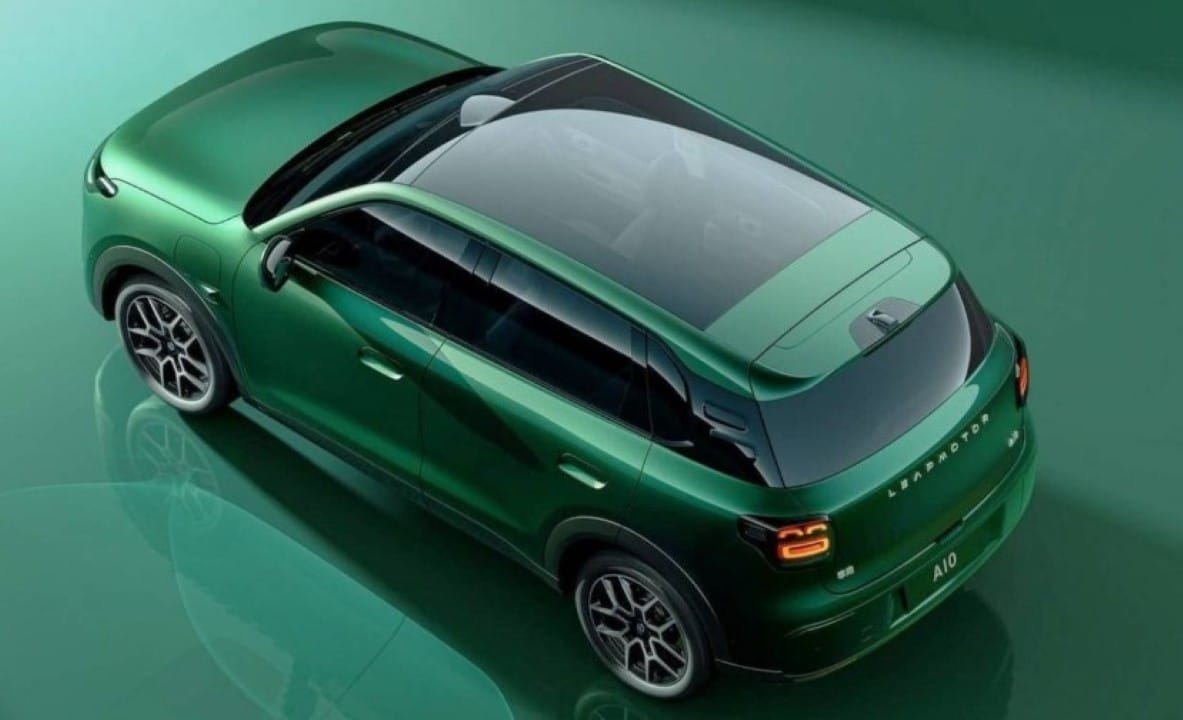
The strategic partnership between automotive giant Stellantis and Chinese manufacturer Leapmotor has resulted in the revelation of technical details of the new A10, an all-electric compact SUV designed to compete globally. The model appears as a robust bet for the automotive sector, promising to intensify the competition in the entry-level segment of battery-powered vehicles with aggressive technical specifications and a focus on energy efficiency. With the start of sales on the China scheduled for the first quarter of 2026, the vehicle already has the Brasil as one of its priority destinations, targeting consumers looking for advanced technology and cost-benefit.
Technical details and energy capacity
The heart of the new SUV lies in its lithium iron phosphate (LFP) battery options, which offer superior thermal safety and durability. Consumers will be able to choose between an entry-level package with 39.8 kWh, capable of delivering a range of 403 km, or a long-range version with 53 kWh, which extends driving range to up to 505 km in the CLTC cycle. Ambas configurations power a 90 kW front electric motor, equivalent to 123 horsepower, balancing urban performance with energy savings.
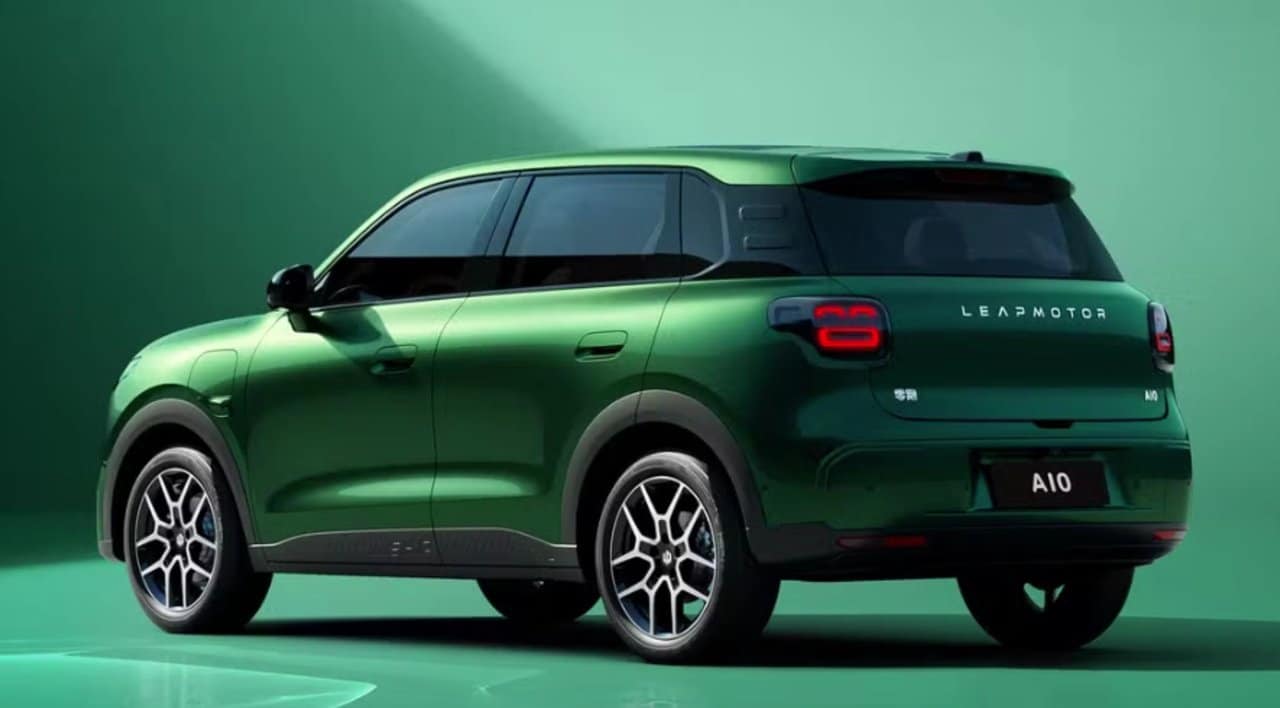
Charging efficiency is another highlight of the project, developed to minimize downtime at charging stations. The electrical system supports fast charging, allowing the battery to recover from 30% to 80% of its capacity in just 16 minutes, a competitive mark for the category. Essa feature positions the model as a viable alternative not only for daily commuting in large cities, but also for medium-distance trips, reducing anxiety related to autonomy.
Dimensions and use of space
In terms of size, the vehicle presents measurements that place it directly in the fight with the best-selling compact SUVs on the current market. The model is 4.27 meters long, 1.81 meters wide and 1.64 meters high, ensuring visual presence and ease of maneuvering.
The 2.61 meter wheelbase was optimized by the dedicated electric platform, allowing for better use of internal space than the segment average. The cabin architecture was designed to offer comfort to occupants, with an internal space utilization rate of 88.1%, according to the manufacturer.
The trunk follows the proposal of versatility, offering enough volume for typical family demands. The configuration of the seats and the absence of the rear central tunnel, common in combustion cars, increase the feeling of spaciousness for rear seat passengers.
Market positioning and competition
The commercial strategy for the Brazilian market indicates an aggressive price positioning, estimated in the range between R$ 150 thousand and R$ 160 thousand, which would put the launch on a direct collision course with consolidated models such as the BYD Yuan Pro and the Volvo EX30. Enquanto, BYD’s competitor offers a more powerful 177 hp engine, the new Leapmotor model focuses on recharging speed and battery options as competitive differentiators. Já compared to the Volvo EX30, the Chinese vehicle seeks to attract value for money, offering a robust technological package at a more affordable price, taking advantage of the distribution and after-sales infrastructure that the partnership with Stellantis provides in the national territory.
Embedded technology and security
The list of technological equipment reflects the brand’s ambition to democratize resources previously restricted to premium segments. The model incorporates a modern optical set with full LED headlights and a closed front grille, typical of electric cars, which hides advanced sensors.
In the most complete versions, the vehicle is equipped with roof-mounted LiDAR technology, essential for driving assistance systems. Esse hardware enables level 2 and higher autonomous driving capabilities, increasing active safety on roads and urban roads.
The safety system includes automatic emergency braking and lane keeping assistants. Câmeras and radars work together to monitor the vehicle’s surroundings in 360 degrees, offering additional protection to pedestrians and cyclists.
Internally, connectivity is guaranteed by an intelligent cockpit that uses fast processing chips. The infotainment system supports over-the-air (OTA) updates, ensuring the vehicle’s software remains up-to-date over the years.
Customization and design
The color palette has been renewed to appeal to a young, connected audience, including vibrant options like “Seaweed Green” and classic tones like “Moonlight White.” The external design focuses on clean, aerodynamic lines, with recessed door handles that contribute to reducing drag and improving energy efficiency, in addition to giving the utility vehicle a futuristic look.
Dynamic performance
The mechanical package was calibrated to offer agile driving in urban traffic, where the instantaneous torque of the electric motor makes the difference when starting off and overtaking. The independent suspension was adjusted to deal with the irregularities of the asphalt, promising a balance between comfort and stability.
- 90 kW (123 hp) electric motor with front-wheel drive.
- Light alloy wheel options with aerodynamic design.
- Driver-adjustable energy regeneration system.
- Driving modes that alter throttle and steering response.
The modular platform used also allows for the future integration of new propulsion technologies, keeping the vehicle relevant in a constantly evolving market. Testes of running speed indicate that the model maintains stability even at highway speeds, with a low level of internal noise due to improved acoustic insulation.
Keywords for indexing
Leapmotor A10, electric SUV launch, range 505 km, price Leapmotor Brasil, BYD competition Yuan Pro, compact electric cars.



