
Barcelona defender reveals fight against depression and celebrates return to the field with decisive goal

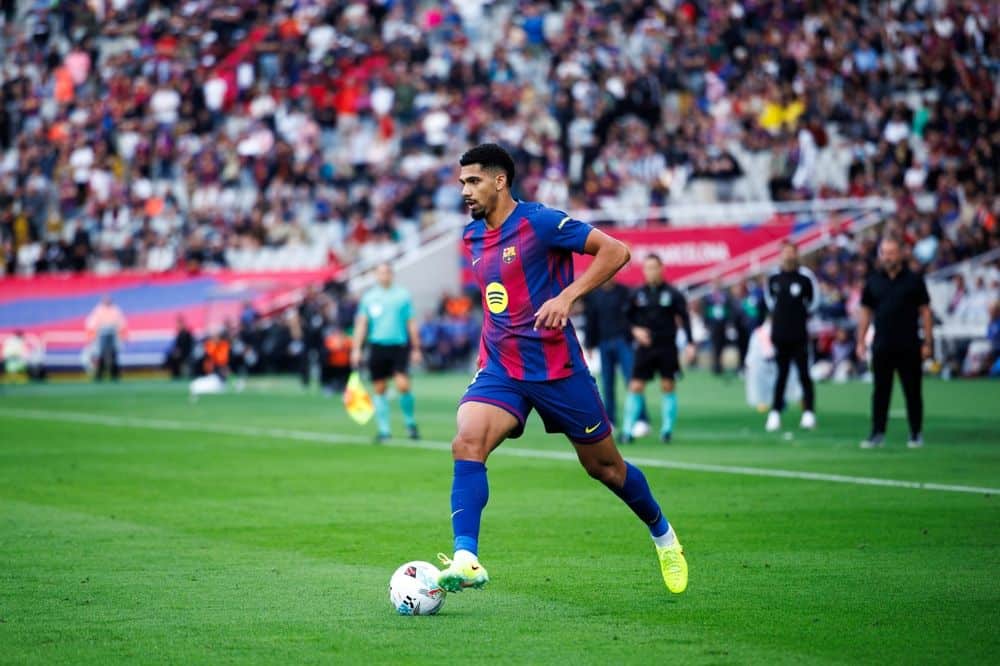
The return of captain Ronald Araújo to the Barcelona starting lineup marks the end of a turbulent period experienced outside the four lines. Após two months of total absence to treat severe anxiety and depression, the Uruguayan defender broke his silence about the reasons that led him to temporarily interrupt his career in November 2025. The triumphant return was sealed with an important goal in the victory over Albacete, guaranteeing classification in Copa of Rei and symbolizing a new personal phase.
The process that culminated in the pause in professional activities was not sudden, but rather the outcome of emotional exhaustion that had already lasted for around a year and a half. Araújo revealed that he had been silently battling symptoms of anxiety, trying to maintain the high level of performance required at one of the biggest clubs in the world. The situation reached an unsustainable point during a match between Uefa Champions League and Chelsea, in Londres, where an expulsion served as a trigger for the recognition that they needed immediate help.
The decision to step away from the field was made together with the board and aimed to prioritize human health above high-performance athletes. Durante the period away from Catalunha, the player sought refuge in his roots and specialized treatments, understanding that physical strength was not enough to support the mental load of elite sport. The goal scored on his return did not just represent a sporting feat, but the completion of a complex and painful recovery.
Behind the scenes of treatment and spiritual journey
The defender’s recovery involved a complete distancing from the stressful routine of European football and an immersion in therapeutic and spiritual care. Araújo reported that he traveled to places of strong religious significance, such as Belém and Jerusalém, seeking inner peace and answers to the anxieties that afflicted him. Além In addition, returning to Uruguai to be close to the family base was fundamental to rebuilding her confidence and emotional stability.
Professional support was decisive for the athlete to understand the seriousness of his clinical condition and the need not to face the problem alone. Ele highlighted that learning to listen to experts and accepting one’s vulnerability were crucial steps towards healing. Intensive therapy allowed him to redefine the pressure of his career, transforming the weight of responsibility into healthy motivation to continue performing at a high level.
Now, the captain says he feels like a renewed person, capable of facing the challenges of the profession with more lightness and happiness. The change in perspective on life and work had a direct impact on his immediate technical performance. The confident performance and the decisive goal in the first match after returning demonstrate that mental balance is an irreplaceable pillar for sporting excellence.
Institutional support and locker room reaction
Barcelona played a vital role in his captain’s recovery, offering all the necessary support from the moment the removal request was formalized. Figuras central management, such as the president Joan Laporta and the sporting director Deco, ensured that the player had contractual and personal peace of mind to focus exclusively on his health. Essa institutional protective stance was cited by
Coach The warm reception, including from opponents from other European leagues such as Serie A and Bundesliga, surprised the Uruguayan positively.
The transparency with which the club handled the case serves as an example of humanized management in sport. By allowing one of its key assets to step aside to take care of his mind, Barcelona sent a clear message about the importance of athlete well-being. Araújo regained his leadership organically, feeling welcomed and valued not only as a player, but as a human being.
The mental health taboo in elite football
The case of Ronald Araújo has brought to light necessary discussions about the crushing pressure that elite athletes face on a daily basis. The defender admitted that for a long time he tried to hide his suffering due to the belief that he needed to be unshakable, a mentality common among players who come from humble beginnings and rise to stardom. The fear of losing space on the team or being judged by public opinion often prevents professionals from seeking help before reaching their limit.
After making his story public, the defender received numerous messages from other players who identified with his story, but who still did not have the courage to expose their own struggles. Esses contacts reveal that depression and anxiety are systemic and recurring problems in world football, often masked by glamor and high salaries. Araújo’s attitude towards prioritizing her health may encourage others to do the same.
The defender plans to use his visibility to continue debating the topic and encouraging young talents not to neglect the warning signs. Ele believes that his experience can serve as inspiration to transform football culture into a more understanding and less toxic environment. Overcoming Araújo reinforces that vulnerability is not a sign of weakness, but the first step to true strength.



