Bortoleto reports complex starting system in Audi tests and plans adaptation in Formula 1
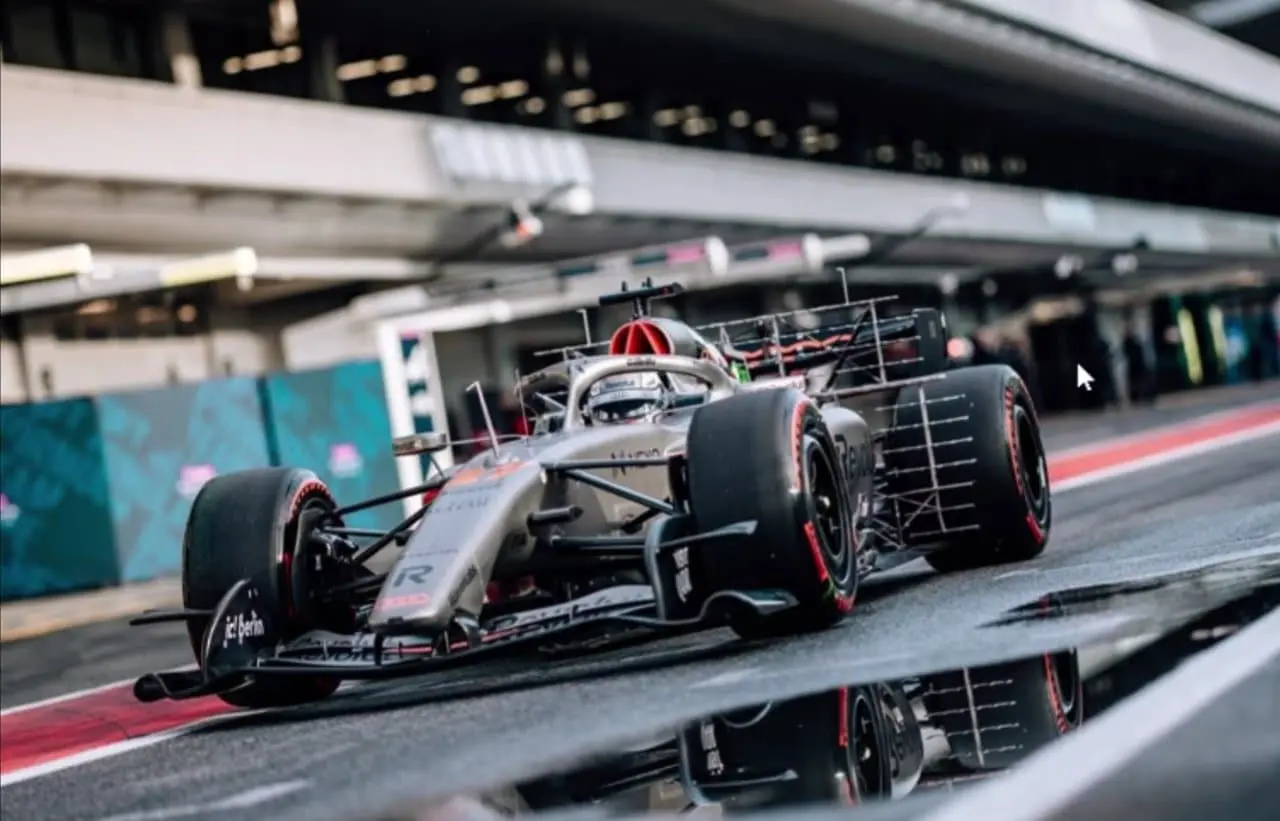
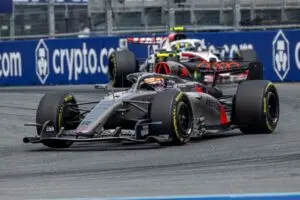
Brazilian driver Gabriel Bortoleto began his technical preparation aimed at future seasons of the main motorsport category, directly facing the innovations proposed by the new regulatory guidelines. After testing sessions carried out on the Sakhir and Barcelona circuits, the Audi F1 team focused its efforts on collecting critical data for the transition of the new power unit, a process that requires significant adaptation on the part of drivers.
The transition to the new era of the category, scheduled to take place soon, poses challenges that go beyond simple driving, requiring in-depth technical mastery of the car’s internal systems. Para Bortoleto, the first contact with the simulations and the development car revealed a scenario of operational complexity, especially in the procedures that precede the vehicle’s movement on the track.
On the same topic: Mercedes and Ferrari dominate pre-season as rivals tune cars for new era of Formula 1
トラック上でのテストが進行中#audif1 #バーレイン pic.twitter.com/Lay5l5pZTm
— アウディ F1 レーシング チーム (@audi_f1stars)2026 年 2 月 11 日
Changes in controls require mental reconfiguration from pilots
The focus of recent activities has been on validating the new electronic and energy recovery systems, which drastically change the dynamics of a fast lap and, mainly, the way the car reacts to initial commands. The main change perceived by Brazilians lies in the complexity of the starting system, described as a process that demands a much more elaborate sequence of actions than that used in current models.
Unlike cars that compete in the current championship, the new models require specific coordination between clutch, engine mapping and electrical energy management to efficiently exit from standstill. Key technical changes noted during testing include:
More on this story: Formula 1: CEO Stefano Domenicali questions the value of ‘real’ overtaking
See Also

Alexander Albon garante permanência na Williams até 2027 e impulsiona planos da equipe na Fórmula 1
Gabriel Bortoleto detalha desafios da pista de Zandvoort no GP da Holanda de Fórmula 1

Lucas di Grassi, campeão da Fórmula E e ex-F1, anuncia adeus às pistas após três décadas
- Significant increase in dependence on electrical energy in the hybrid powertrain.
- Introduction of active aerodynamics to reduce drag on straights.
- Simplification of suspension components to compensate for the weight of the batteries.
- New starting protocols that require greater manual intervention from the pilot.
Performance contrast and riding feel
Bortoleto’s perception of drivability points to an obvious contrast between current cars and what is being prepared for future regulations. Segundo the pilot, the models used until 2025 may seem “lazy” compared to the immediate torque response promised by the new engines, which have a much more aggressive and instantaneous delivery of electrical power.
This change in dynamic behavior initially generates a feeling of confusion in the cockpit, forcing the athlete to relearn acceleration and braking references. Audi, which will become the official engine manufacturer, uses this feedback to adjust the control software, aiming to make the interface between man and machine more intuitive before the official debut in competitions.
Development focused on systems integration
The German automaker’s project, which will take over the operations of the Sauber, treats reliability as a priority in this initial phase, leaving the search for absolute lap times for a second moment. The data collected by
Learn more: International Automobile Federation vetoes straight mode for the 2026 Monaco GP in Formula 1
The technical team is working to refine the management software, seeking to eliminate operational hesitations reported during preliminary testing. Para the Brazilian, the technical challenge represents an opportunity to shape the development of the car from the ground up, ensuring that the equipment is competitive when the red lights go out for the new era of the sport.