
Brazilian software converts PlayStation 2 games to native PC and guarantees superior performance without emulation

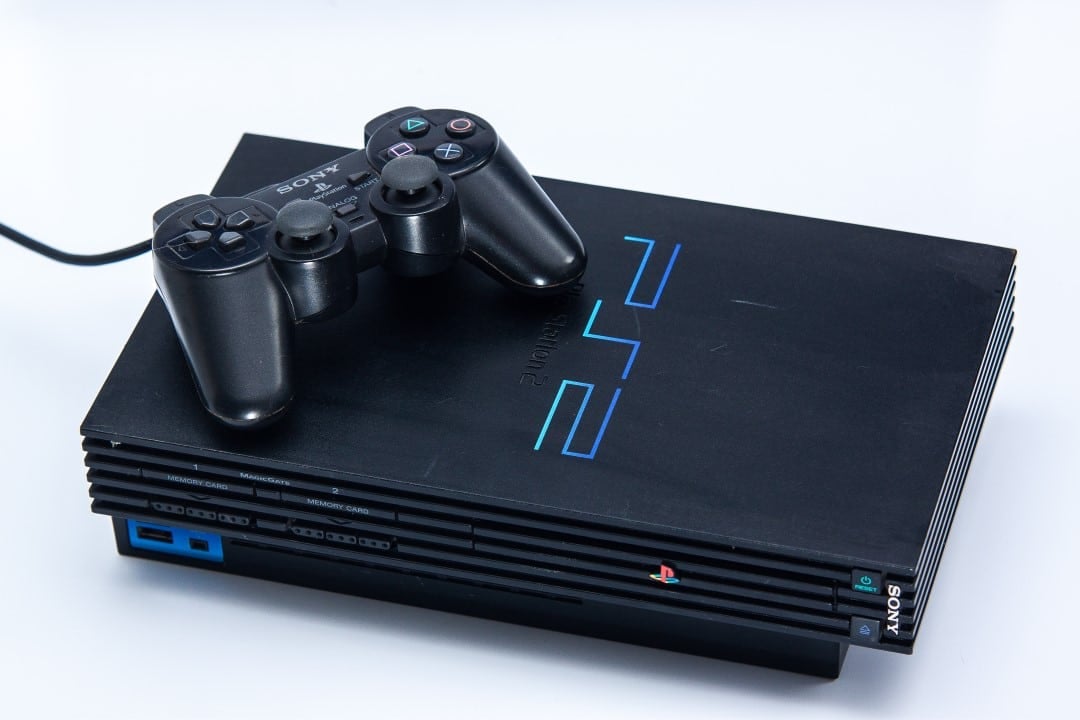
The preservation of digital games has reached a new technical level thanks to the work of a Brazilian developer who promises to revolutionize the way classic titles are run on modern computers. A new tool, developed with a focus on the complex architecture of the Sony console, allows games to be processed natively by the Windows operating system, eliminating the use of traditional emulators that often require robust hardware to function correctly. The initiative has caught the attention of the international technology community for offering a definitive solution to chronic performance problems, such as crashes and frame drops, transforming the console’s original code into executables compatible with current PC architecture.
The project, called PS2Recomp, uses an advanced technique known as static recompilation to translate the binary instructions of old games into a language that contemporary processors understand directly. Diferente of conventional emulation, which needs to interpret commands in real time and simulate the original hardware every second, this method creates a new game executable file. The practical result is a fluid experience, free from the shader compilation pauses that tend to interrupt gameplay in popular emulators, ensuring stability that the original hardware was often unable to offer.
PS2
PS2Recomp はブラジル人によって作成ザバイナリを C++
プロジェクトの準備はできていませんが、作業は開始しました。pic.twitter.com/LblIGHIGHg
— セニョール・リングイカ (@SenhorLinguica)2026年1月26日
Enthusiasts and software engineering experts point out that this approach represents a milestone in the history of digital media conservation, as it eliminates the barrier of proprietary hardware that becomes increasingly scarce over the years. By converting the software to run natively on x86 architectures, the developer ensures that entire libraries of titles released in the early 2000s remain accessible for future generations, without relying on the manufacture of old consoles or accessories that have already been discontinued.
The tool not only replicates how games work, but opens the door to visual and performance improvements that would be impossible on the original console. With native execution, the computer can use all of its processing power to render graphics at ultra-high resolutions, such as 4K, and apply aspect ratio corrections for ultrawide monitors, modernizing classics without altering their artistic or mechanical essence.
Technical differences between emulation and static recompilation
To understand the magnitude of this innovation, it is essential to distinguish the functioning of traditional methods in comparison with the new Brazilian proposal. Emulation, used by established software such as PCSX2, works as a simultaneous interpreter that translates the console’s language into the computer’s language while the game is taking place. Esse process requires an intense computational effort, as the machine needs to simulate sound, video and central processing chips at the same time, which often results in system overload and inconsistencies in playback speed.
The static recompilation adopted by PS2Recomp acts preventively and definitively on the game code even before it is started by the user. The software thoroughly analyzes the original PlayStation 2 binary, disassembles its instructions and completely rewrites them in the C++ language, generating a new independent program. Esse process removes the need for real-time translation during gameplay, allowing the game to communicate directly with computer components, as if it had been originally developed for that platform.
This methodology solves one of the biggest bottlenecks in emulation: the latency generated by communication between virtual components and physical hardware. By eliminating the middle layer, the game now has direct access to the computer’s CPU and GPU, resulting in immediate response times and the almost complete eradication of graphical glitches resulting from misinterpretations of the original code. The conversion work, although complex, is performed only once, and the final product is an optimized, lightweight executable.
Visual modernization and improved performance
The visual impact of native execution is one of the most celebrated points by users who have already tested the tool in its initial stages of development. Como the game starts to run as a native Windows application, it becomes viable to implement profound graphical improvements that go beyond simply increasing resolution. The technology allows frame rates per second, which were originally locked at 30 or 60, to be unlocked or increased, providing a fluidity of movement that completely transforms the perception of action and racing titles.
In addition to image quality, loading speed is drastically reduced due to integration with modern storage technologies. The long waiting times, limited by the reading speed of the original console’s DVD discs, almost completely disappear when the game uses the speed of current SSDs. Essa agility in data reading allows instant scenario transitions, making the gaming experience much more dynamic and aligned with the usability standards expected by the public in 2026.
Another direct benefit of recompilation is thermal and energy stability for those who play on portable devices or laptops. Como the processing overhead typical of emulation is eliminated, battery consumption and heat generation decrease considerably. Isso makes it possible for complex games from the PlayStation 2 library to run perfectly on more modest computers or portable PCs, democratizing access to classics that previously required high-performance machines to be accurately emulated.
The challenge of Emotion Engine and open source
The development of this tool is considered a remarkable engineering feat due to the complexity of the PlayStation 2 architecture, based on the Emotion Engine processor. Esse chip had a unique design and very specific instructions that made direct translation into common market processors difficult. The Brazilian developer managed to decipher these instructions and create an automated method to convert them, an obstacle that for decades prevented the advancement of static recompilation for this specific platform.
The project was made available in open source format on repositories such as GitHub, encouraging collaboration from the global developer community. Essa strategic decision allows other programmers to contribute with corrections, optimizations and support for new games, accelerating the compatibility process of the console’s vast library, which has more than four thousand officially released titles. Transparency in development ensures that the tool constantly evolves and adapts to new hardware technologies that will emerge in the future.
The collaborative nature of the project also facilitates the creation of modifications and expansions for games, known as mods. With the game’s code recompiled and accessible, it becomes much simpler for the community to create high-definition textures, fix bugs that existed since the original release, and even implement new game mechanics. PS2Recomp, therefore, not only serves as a preservation tool, but as a creative revitalization platform for works that have marked the electronic entertainment industry.
Impact on long-term digital preservation
The Brazilian initiative comes at a crucial time for the preservation of the history of video games, where the physical deterioration of optical media and old consoles is an inevitable reality. By decoupling the software from the original hardware, the tool guarantees the digital immortality of these cultural works. The dependence on electronic components that are no longer manufactured is no longer a death sentence for games, which are gaining a new life in the personal computer ecosystem.
Institutions dedicated to game preservation and technology museums welcome static recompilation initiatives, as they offer a faithful and accessible way to present historical software to the public. The precision achieved by the method ensures that the original experience is maintained, respecting the creators’ vision, while at the same time removing technical barriers that could deter new players or researchers interested in studying the evolution of game design.
The success of PS2Recomp could inspire similar projects for other classic consoles that suffer from the limitations of traditional emulation. The proof of concept presented by the Brazilian developer demonstrates that, with dedication and in-depth technical knowledge, it is possible to overcome the barriers of complex proprietary architectures. The legacy of the best-selling console in history is now safer, running natively and optimized, ready to be rediscovered by millions of users around the world.



