
Car market grows in January with Fiat’s isolated leadership and SUVs in the top ten

The Brazilian automotive sector started the commercial calendar with impressive results, recording a total volume of 162,342 registered units, including passenger vehicles and light commercial vehicles. Esse performance represents a growth of 4% compared to the same period in the previous cycle, signaling an increase in dealerships driven by the high demand for utility models and the renewal of corporate fleets throughout the national territory.
Consolidated data from the first month of the year reveals that the industry maintains a consistent recovery path. The movement in automakers’ yards and stores reflects renewed consumer confidence, who has been looking for options with greater added value and embedded technology. The positive scenario is reinforced by stability in supply chains, allowing manufacturers to promptly fulfill orders.

Fiat dominance and Strada performance
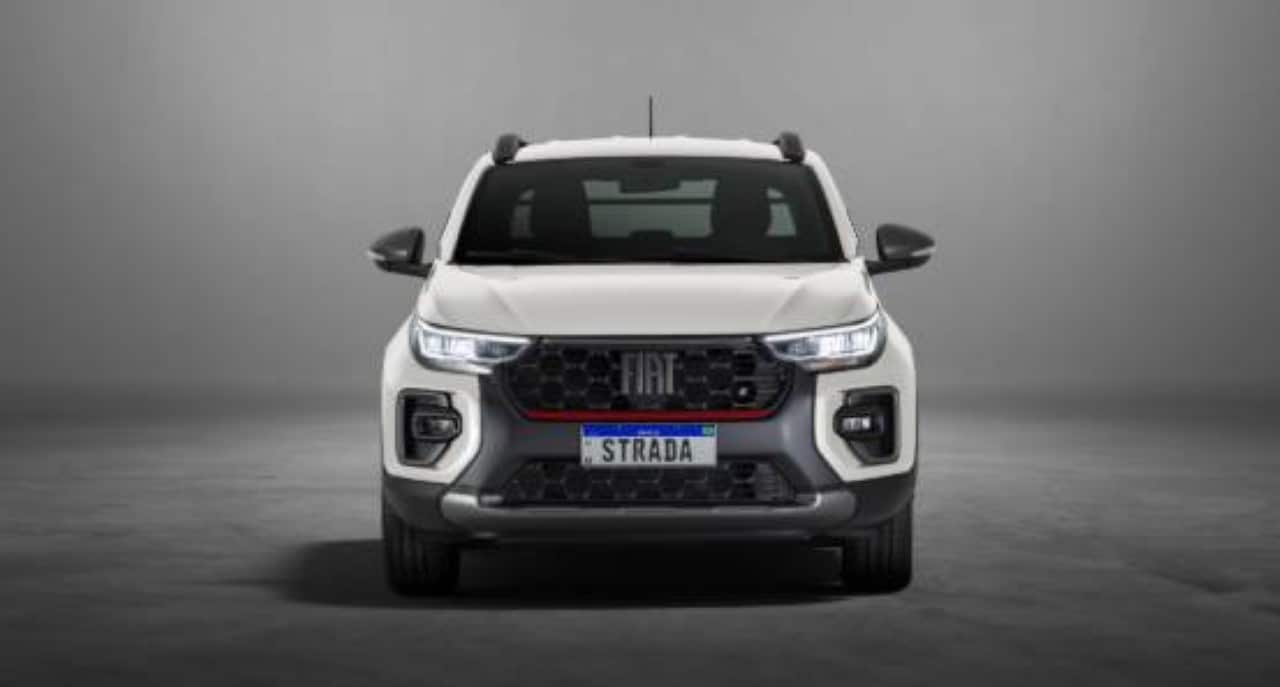
The dispute between automakers remains fierce, but market leadership remains consolidated in the hands of the Italian manufacturer, which holds around 21% of the total share. The compact pickup truck Fiat Strada maintained its absolute reign, accounting for 10,541 units sold in January alone. The volume was enough to guarantee not only the top of its segment, but also the first position in the general sales ranking, easily surpassing direct competitors and reaffirming the national consumer’s preference for versatile vehicles that serve both work and leisure.
This isolated performance of the compact pickup truck is a clear indication of the brand’s successful strategy in diversifying its portfolio. By offering a product that transitions between commercial and family use, the automaker is able to capture a broad slice of the public, staying ahead of historical rivals and consolidating its presence in different market niches.
Volkswagen advances with new models
While the Fiat leads in total volume, the Volkswagen demonstrates strength by positioning three models among the five best-selling models in the country. The Polo secured second place overall with 5,699 registrations, followed closely by the T-Cross, which led among sports utility vehicles with 5,741 units. The German automaker has invested heavily in renewing its lineup, focusing on design and energy efficiency to attract younger buyers.
One of the brand’s biggest highlights was the performance of the recently launched Tera, which surprised by registering approximately 5,000 units sold, quickly joining the group of the five most sold vehicles. The immediate acceptance of the model suggests that the strategy of expanding the offer of compact SUVs has been assertive, filling market gaps and competing directly with established models.
Hegemony of SUVs and medium pickup trucks
The preference for sports utility vehicles continues to shape the national scenario, occupying seven of the top ten positions in the sales ranking. The category has become a favorite among Brazilian consumers, who prioritize a higher driving position and interior space. In the medium pickup truck segment, the Toyota Hilux maintains its hegemony with 4,137 units sold, resisting attacks from rivals and remaining the benchmark for robustness and resale value in the category.
Rise of Asian brands
In addition to the traditional leaders, the market is witnessing the accelerated growth of Chinese brands. Fabricantes as well as Geely and Omoda recorded a significant increase of 55% in their operations, with electric and hybrid models such as the EX2 and Omoda 5 surpassing the barrier of a thousand units per month. Esse movement intensifies technological competitiveness and puts pressure on traditional automakers to accelerate their electrification processes so as not to lose space in the near future.



