
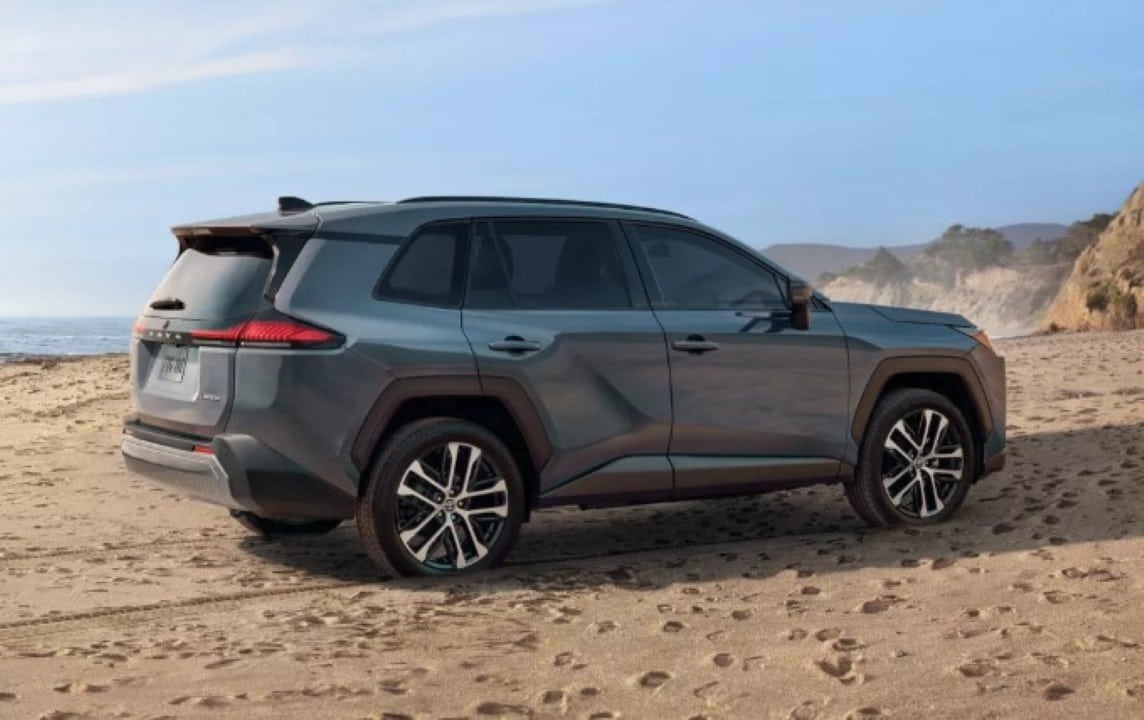
Component crisis forces Toyota to halt orders for popular hybrid SUV until end of 2026


The Japanese automaker The drastic decision occurs due to persistent instability in the supply chain, specifically related to the shortage of semiconductors and electronic components essential for the assembly of high-tech vehicles, directly affecting the delivery schedule scheduled for this year.
The volume of orders significantly exceeded the factory’s current production capacity, creating a bottleneck that could compromise the consumer experience and the brand’s credibility. Para To avoid unrealistic waiting times that could exceed twelve months, the company chose to temporarily freeze sales, focusing its industrial efforts on meeting the already consolidated waiting list before assuming new commercial commitments.
Operational impact and expected recovery
The measure directly affects the dealership network, which will no longer register new contracts for the hybrid model until the flow of parts is normalized. The automaker’s internal forecast indicates that the reopening of order books should only occur in the second half of 2026, a time when the logistics of electronic components should show greater stability. Durante this period, the absolute priority will be the manufacturing of units already sold.
Among the main factors that motivated this suspension, the complex logistical challenges that the automotive industry still faces stand out:
- Mismatch between the high global demand for electrified vehicles and the limited supply of chips.
- Need to ensure complete installation of security packages and embedded technology.
- Maintaining the quality standards of the TNGA platform without replacing inferior components.
- Preservation of transparency with the end customer to avoid frustration with successive delays.
The strategy aims to protect the image of the vehicle, which is positioned in a premium segment and attracts consumers who are demanding regarding punctuality and finishing. The company reinforces that the situation is monitored weekly and that adjustments to the schedule may occur if the supply of parts recovers faster than that projected by market analysts.
Embedded technology and technical specifications
The model in question uses the global TNGA architecture (Toyota New Global Architecture), specifically the GA-K variant, recognized for offering a lower center of gravity and greater torsional rigidity. Essa engineering is fundamental to accommodate the hybrid system that combines a 2.5-liter combustion engine with electric propellants, ensuring the energy efficiency that has made the SUV a sales success. The complexity of this system requires a large number of microprocessors to manage switching between driving modes.
In addition to the engine, the technology package includes the Toyota Safety Sense system, which relies entirely on advanced sensors and processors to operate features such as automatic emergency braking, adaptive cruise control and lane keeping assistant. The automaker’s refusal to deliver vehicles without these active safety features contributed to the decision to stop sales, maintaining the integrity of the product offered to the market.
The Plug-in Hybrid (PHEV) version, which allows charging from external sockets and offers greater autonomy in purely electric mode, also suffers from the restriction. Este system demands even more electronic components to manage the high-capacity battery, making production of this variant particularly sensitive to fluctuations in the global technology supply chain.
Market scenario for 2026
Automotive sector analysts indicate that Toyota’s conservative stance reflects a tendency towards caution among large manufacturers, who prefer to suspend sales rather than deliver incomplete cars. The minimum wage in force in 2026, set at R$1,621, also changes the dynamics of consumption and financing in the national market, although the target audience for this specific SUV generally belongs to income groups that are less sensitive to small economic fluctuations, prioritizing technological availability.
The expectation is that, with the normalization of semiconductor stocks scheduled for the end of the year, production can be accelerated to meet pent-up demand. Até there, consumers interested in the model must wait for the official reopening of sales or look for remaining units in dealer stocks, which tend to appreciate in value given the momentary shortage of custom-configured zero kilometer units.
Keywords:Toyota, semiconductor crisis, hybrid SUV, automotive industry.
Long-tail keyword:suspension of sales Toyota 2026 due to lack of parts.
Sources researched:
https://www.autodata.com.br/noticias/
https://www.reuters.com/business/autos-transport/
https://www.uol.com.br/carros/noticias/



