
Expansion of digital content increases Sony’s profits despite PlayStation’s decline in the Japanese market


The interim financial statement for 2025 revealed a contrasting scenario for one of the largest technology corporations in the world, which saw its operating profits grow driven by the performance of digital media and intellectual property. The strategy of focusing on the production and distribution of anime, films and music proved effective in offsetting the downturn observed in the hardware sector, consolidating a corporate transition that prioritizes recurring revenue. However, the domestic market presented complex barriers for the gaming division, which lost significant space to direct competition from new portable consoles.
The company recorded significant consolidated sales, exceeding trillions of yen, with a vital contribution coming from streaming services and the global success of its animations. The strengthening of the dollar and penetration of Western markets helped maximize earnings from content licensing.
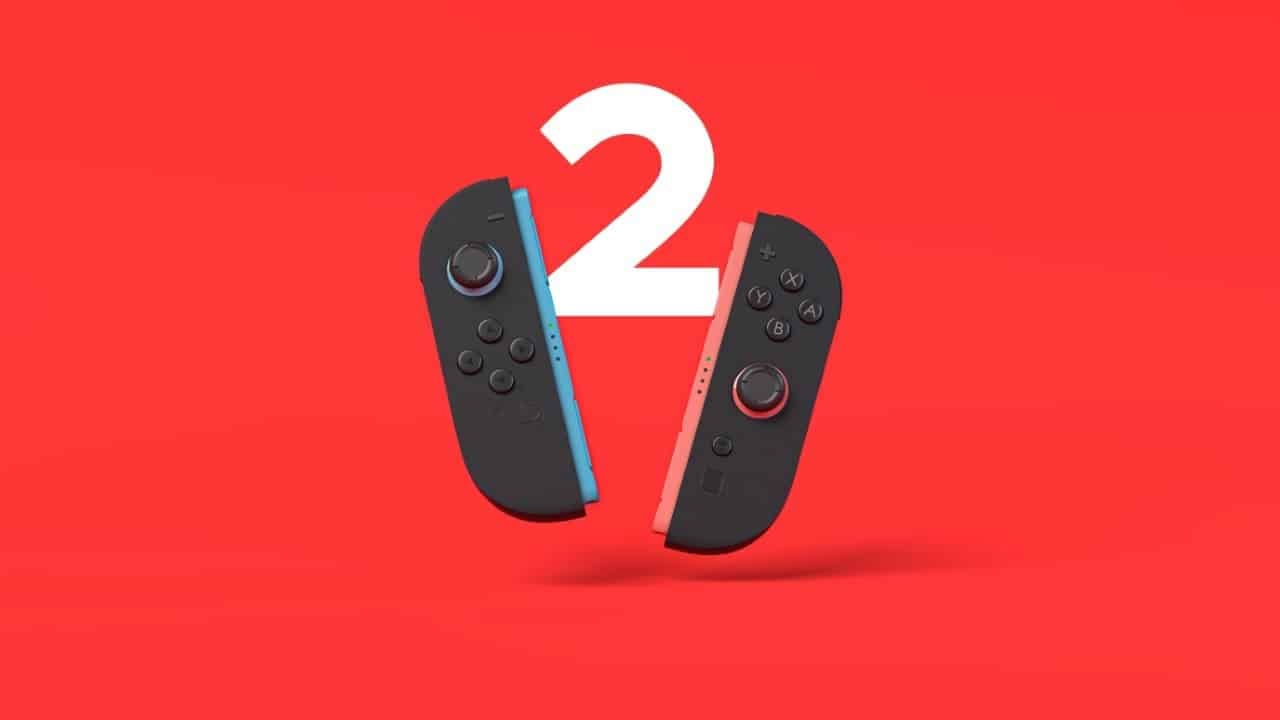
Even with overall financial success, the interactive entertainment division faces specific challenges, specifically in Japão, where consumer preference has turned to rival hybrid platforms.
Executives point out that the company’s profit structure is more resilient than in past decades, depending less on unit sales of electronics and more on the continuous exploration of successful franchises.
Consolidation as an entertainment giant
The transformation of the corporation’s business model, which went from being purely an electronics manufacturer to becoming a content powerhouse, intensified from 2012 onwards and is now showing its most solid results. The acquisition and development of intellectual properties in music and anime has allowed the creation of an ecosystem where profit is generated long after a work’s initial release. Diferente of hardware manufacturing, which involves constant logistics and production costs, digital content offers higher profit margins through licensing and streaming.
Productions from the subsidiary The behavior of younger generations, who flocked to cinemas in the post-pandemic period to watch these productions, was fundamental to this growth.
Disparity in hardware sales in Japão
The scenario for the PlayStation 5 in the Japanese market became challenging given the launch and immediate popularization of Switch 2 by Nintendo. Enquanto, the local competitor, dominated the sales charts with a device that combines portability and a familiar catalogue, the high-performance console from Sony saw its market share decrease, even with price adjustments in the digital version. The Japanese public’s historical preference for portable consoles and social gaming has continued to dictate consumer trends in the region.
Analysts note that while the PlayStation 5 maintains a robust global installed base, the difficulty in penetrating the Japanese homeland again reflects deep strategic differences. Nintendo focused on accessibility and casual gameplay, while Sony prioritized big-budget cinematic experiences that sometimes resonate more with Western audiences than domestic ones.
Comparative data and overall performance
Analysis of recent numbers highlights the global strength of the PlayStation brand in contrast to its local struggles, as well as the immediate impact of the new generation of competition. The Japanese market served as a thermometer for the different approaches of the two giants in the sector.
– The PlayStation 5 surpassed the mark of 80 million units shipped globally, maintaining strength at Europa and América of Norte.
– The Switch 2 recorded sales in the millions in the first few months after its launch, dominating Japanese retail.
– Sony’s network services revenues continue to grow, indicating that even with fewer consoles sold locally, digital engagement remains high.
Sustainability through streaming
The music segment showed some of the most consistent growth in the last report, driven almost entirely by the rise of streaming platforms. The ability to generate recurring revenue from back catalogs and new releases offers stability that the gaming market, subject to long and expensive development cycles, often cannot guarantee.
This diversification protects the group from currency fluctuations and problems in the semiconductor supply chain. The integration between the film, music and games divisions allows a single franchise to generate value on multiple fronts, maximizing the return on the initial investment in creation.



