
Fabio Capello reveals behind the scenes of parties at Real Madrid and points to Ronaldo as a negative influence

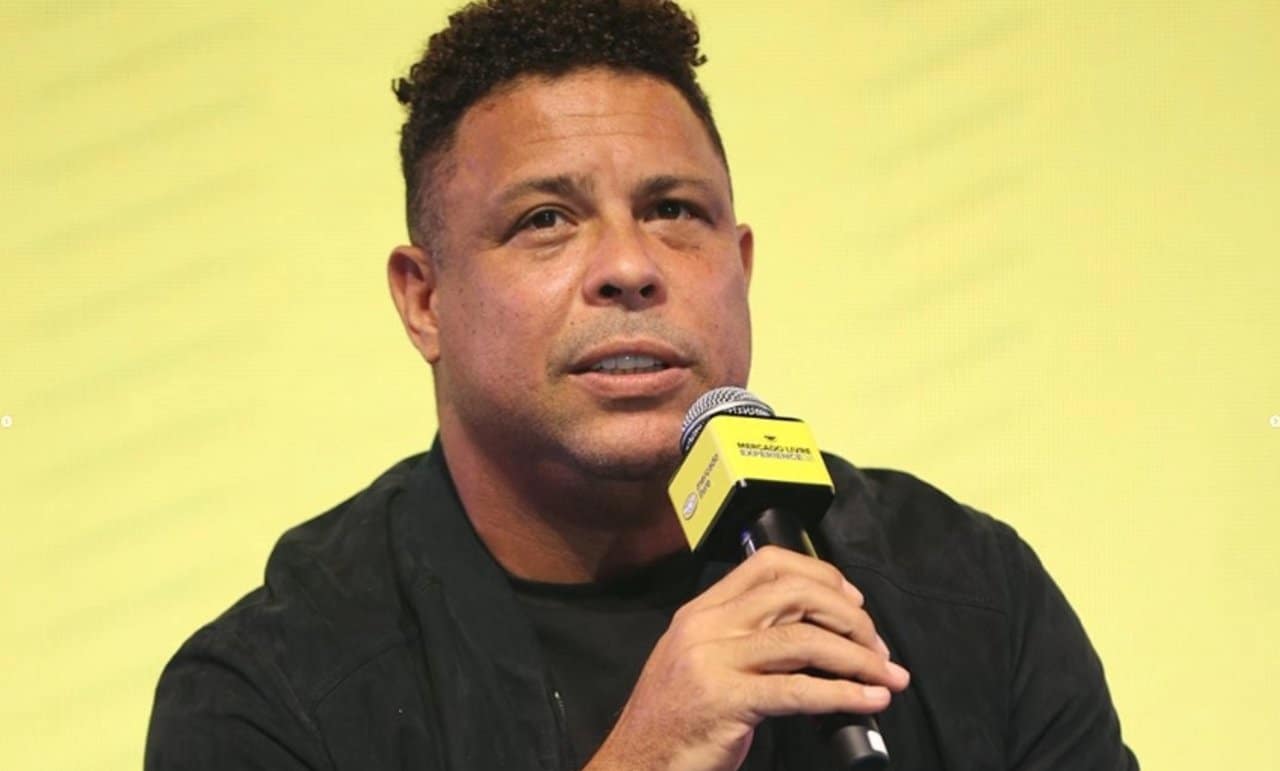
The world of international football was once again shaken by blunt statements from one of the most successful coaches in the recent history of the sport. The Italian Fabio Capello, known for his strict discipline and refined defensive tactics, brought to light controversial details about his second spell in charge of Real Madrid, specifically during the 2006/2007 season. In an interview that had a wide impact on the sports media, the coach detailed his complex coexistence with the star cast at the time, focusing his criticism on Ronaldo Nazário’s off-field behavior.
During his tenure at the Merengue club, Capello faced the challenge of managing a dressing room full of legendary figures, known worldwide as the “Galácticos”. However, the relationship with the Brazilian striker has become the central point of his recent revelations. The coach categorically stated that Ronaldo, despite his undeniable talent, played a leadership role that was detrimental to the group at that specific moment, citing the player’s lifestyle as a destabilizing factor for the team that was seeking to end a drought of important titles.
The Italian coach’s statements shed light on the reasons that led to the premature departure of the Brazilian star to Milan, in the 2007 winter transfer window. The decision to negotiate the athlete, according to Capello, was fundamental to regaining control of the group and imposing the work philosophy that would culminate in winning Campeonato Espanhol that season.
The episode reignites debates about generational talent management and the limits between personal life and professional performance at a high level. Capello’s memories serve as a behind-the-scenes historical document of one of the most fascinating and turbulent eras of Real Madrid, showing that the meeting of the best players in the world does not always result in immediate harmony in the club’s daily life.
The weight of the parties and the locker room’s reaction
The main complaint presented by Fabio Capello refers to the frequency and intensity of parties promoted by Ronaldo and his close circle. The coach described a scenario where the sporting focus was often diverted by celebrations that invaded the team’s preparation routine. Para a coach obsessed with discipline and physical condition, this behavior represented a direct affront to the work methods implemented to restore the Spanish team’s competitiveness.
One of the most controversial points in the interview was the mention of Ruud van Nistelrooy, a Dutch striker who was also part of that squad. Capello reported that his teammate even expressed discomfort with the situation in the locker room, specifically mentioning the smell of alcohol that sometimes permeated the work environment. Embora such reports are based on the coach’s perspective, they illustrate the level of internal tension that existed between the different leaders of the squad.
The management of this crisis required drastic measures on the part of the technical committee and the board chaired by Ramón Calderón. The decision to remove Ronaldo, a global idol and two-time Copa champion from Mundo, was not taken lightly, but was seen as necessary to “cleanse” the environment. Capello reinforced that his priority was always the collective and that the presence of a dissonant element, no matter how talented, put the season’s sporting project at risk.
Inevitable comparison with Cristiano Ronaldo
When analyzing the careers of great players he managed, Capello did not hesitate to draw a parallel between the two “Ronaldos” who marked the history of football, although in different times and contexts. The comparison served to illustrate his view of the professionalism required in elite sport. Enquanto recognized the Brazilian’s supreme technical quality, the Italian highlighted the Portuguese Cristiano Ronaldo’s work ethic as the ideal model of a modern athlete.
For the coach, the fundamental difference lay in daily dedication and capacity for sacrifice. Cristiano Ronaldo is often cited by coaches and colleagues as an example of obsession with physical and technical improvement, characteristics that Capello felt was missing in his experience with Fenômeno in Madri. Essa distinction reinforces the coach’s thesis that natural talent, without proper discipline, may not be enough to maintain longevity and positive leadership within a competitive group.
The key turn and the title of La Liga
The departure of Ronaldo to Milan in January 2007 is pointed out by Capello as the turning point of that season. Até at that moment, Real Madrid was wavering in the championship and saw its rival Barcelona dominate the national scene. With the Brazilian’s transfer and the reaffirmation of the coach’s authority, the team began one of the most impressive recoveries in the history of La Liga, known by fans as the “Liga del Clavo Ardiendo”.
Without the presence of what the coach considered a negative influence, the squad came together around a common goal. Jogadores like Beckham, who had also been temporarily removed, were reinstated and became key players in the final stretch. The narrative constructed by Capello suggests that the removal of off-field distractions allowed the focus to return entirely to performance within the four lines.
The title won in the last round of that season validated, in the eyes of many, the tough decisions made by the coach. Although his style of play was not the most flashy, the efficiency and resilience demonstrated by the team in the second half of the championship were attributed to the new dynamics established in the dressing room after the January changes.
The legacy and different perspectives
It is important to emphasize that Fabio Capello’s vision is just one side of this complex story. Ronaldo Nazário, today a successful businessman and club manager, has always maintained the affection of the Madrid fans and is revered as one of the greatest strikers of all time. Suas serious knee injuries and hypothyroidism problems, diagnosed later, are factors that often contextualize his physical difficulties in the final stretch of his time at Espanha.
The relationship between demanding coaches and global stars continues to be a recurring theme in football. The case of Capello and Ronaldo serves as a case study on people management, generational conflict and the different ways of approaching the profession. Enquanto the coach prioritized order and military discipline, the player represented joy and improvisation, characteristics that made him an icon, but which clashed head-on with the Italian’s methodology.
Recent statements rekindle curiosity about the behind-the-scenes of an era where football began to transition to an even greater level of physical demand. The lessons learned from that Real Madrid locker room remain current, serving as a warning to managers and athletes about the importance of aligning objectives and professional conduct to achieve great achievements.
Central aspects highlighted by Capello regarding cast management:
– The absolute priority of the collective over individualities, regardless of the player’s status.
– The direct impact of off-field discipline on physical and tactical performance during decisive matches.
– The need for board intervention to support unpopular decisions by the technical committee.
– The difference in mentality between generations of athletes and the evolution of the demands of modern football.




