
Google takes down installation files for the beta version of Android 17 after lightning release

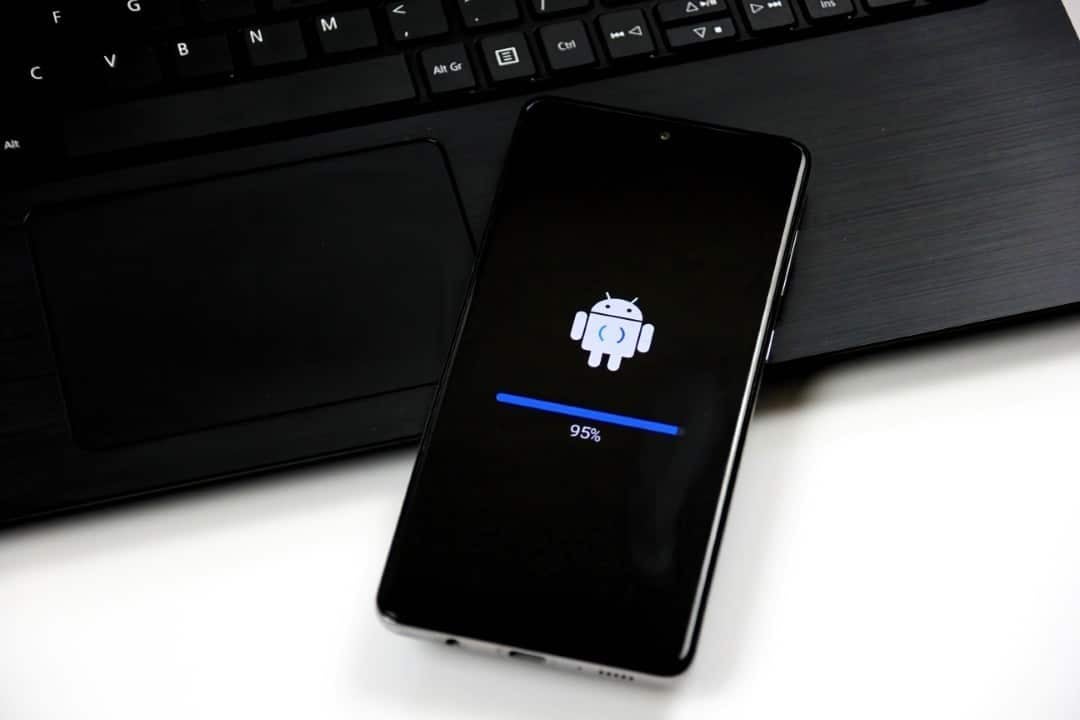
An unexpected movement marked the development schedule of the world’s most used mobile operating system this Wednesday. Desenvolvedores and technology enthusiasts were surprised by the sudden availability of installation packages for the new generation of the platform, which were accessible on official servers for a short period before being removed.
The company later confirmed that the distribution of the files should not have occurred at that time, configuring a strategic retreat. The incident raised doubts about possible internal flaws in the process of publishing and disseminating new tools to the technical community.

The episode occurred immediately after the end of the testing cycle of the previous version, Android 16 QPR3. The expectation created by the appearance of the download links was quickly dashed when the system status returned to unavailable, making it clear that early access was an operational error.
Behind the scenes release and schedule
The confusion began shortly after the completion of the testing stage for version 16 QPR3 Beta 2.1. Páginas technical support services were updated indicating the availability of the new software for the Pixel line, which led several users to search for factory images for manual installation.
However, the window of opportunity was brief. Within hours, the links became inactive and discreet communications were sent to partners informing them that the official launch was still pending. The technology giant maintained a neutral tone, without defining a new exact date for the resumption of distribution, but ensuring that this would happen soon.
Anticipated features and technical improvements
The next major system update promises to focus heavily on user experience across different hardware formats. The software will bring significant advances in adapting applications to foldable screens and tablets, ensuring a more fluid and responsive transition between different display modes.
In addition to visual improvements, the operating system incorporates deep optimizations in general performance and resource management.
- Improved native tools for image and camera processing.
- New security and privacy protocols for data protection.
- Advanced optimization for intelligent management of Wi-Fi and mobile networks.
Devices compatible with the testing phase
The hardware breadth strategy continues to be a focal point in the development program. The eligibility list includes models released in recent years, ensuring that a broad base of users can report inconsistencies and bugs from the beginning of the process.
Owners of devices from the Pixel 6 series onwards, including the Pro variants and mid-range ‘a’ models, are eligible to participate when the program officially reopens. Support naturally extends to the latest generations, such as the Pixel 7, 8 and 9 families, in addition to the Pixel Tablet and the brand’s foldable.
This inclusion of devices with different hardware specifications is crucial for the company. Ela allows you to identify compatibility problems and performance bottlenecks in processors of different generations before the software reaches the end consumer.
Planning for stability and release
The development cycle adopted for this generation seeks to accelerate the implementation of feedback received from the technical community. The objective is to achieve platform stability around March 2026, allowing application developers to finalize their adaptations with the definitive APIs.
The final version for the general public is scheduled for the second quarter of this year. Até there, the schedule calls for frequent releases of incremental builds, focused on fixing critical flaws and refining power and processing performance before mass distribution to the Android ecosystem.



