
Leapmotor’s compact SUV confirms a range of 505 km and should debut in Brazil via the Stellantis group

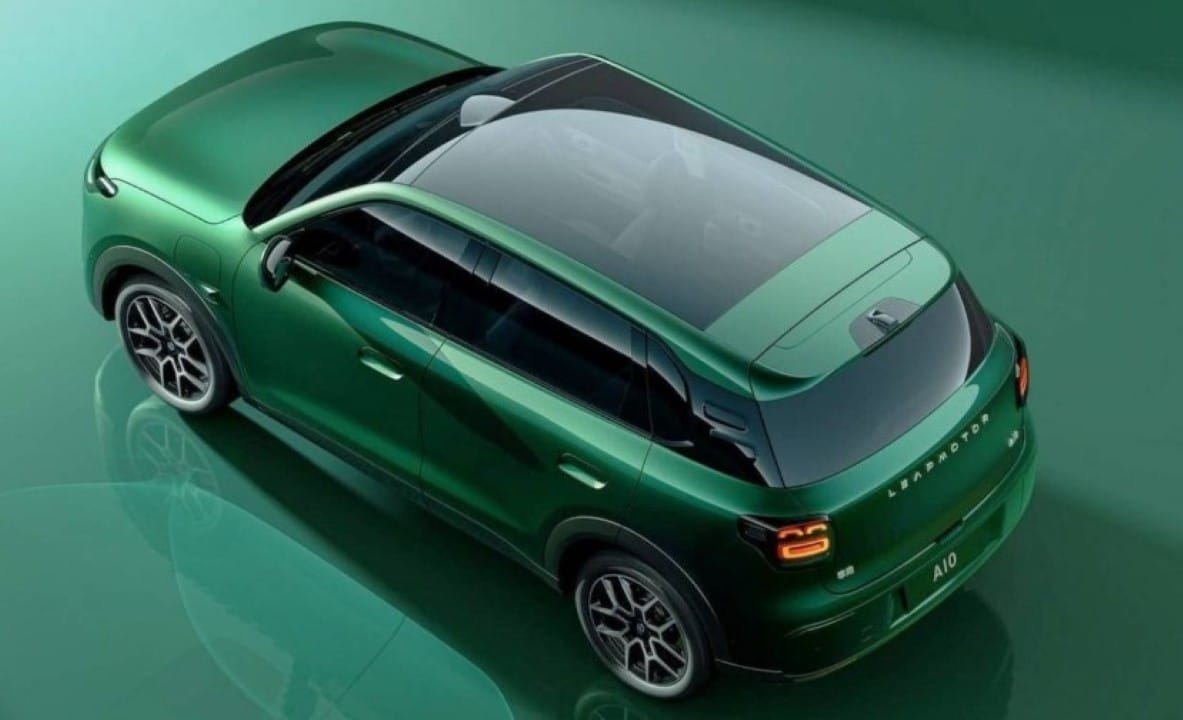
The electrification offensive in the global automotive market gains a new strategic chapter with the revelation of the definitive technical specifications of a sports utility vehicle that promises to shake up the entry-level segment. Leapmotor, a Chinese manufacturer that operates under the administrative and industrial umbrella of the Stellantis group, detailed the attributes of its latest project, the A10 model. The vehicle was designed to operate in a competitive range, combining compact dimensions ideal for urban traffic with energy efficiency capable of serving medium-distance trips, positioning itself as a robust alternative to already established competitors.
Energy efficiency and electrical architecture
The heart of the project lies in its dedicated platform, which allowed engineers to optimize space for batteries without compromising livability. Consumers will have two energy storage configurations available, both using lithium iron phosphate (LFP) chemistry, known for its durability and safety. The access version is equipped with a 39.8 kWh package, enough to deliver a range of 403 km in the Chinese CLTC measurement cycle. Para For those who need greater range, the top-of-the-line variant adopts a 53 kWh battery, increasing the range to a significant 505 km using the same measurement methodology.
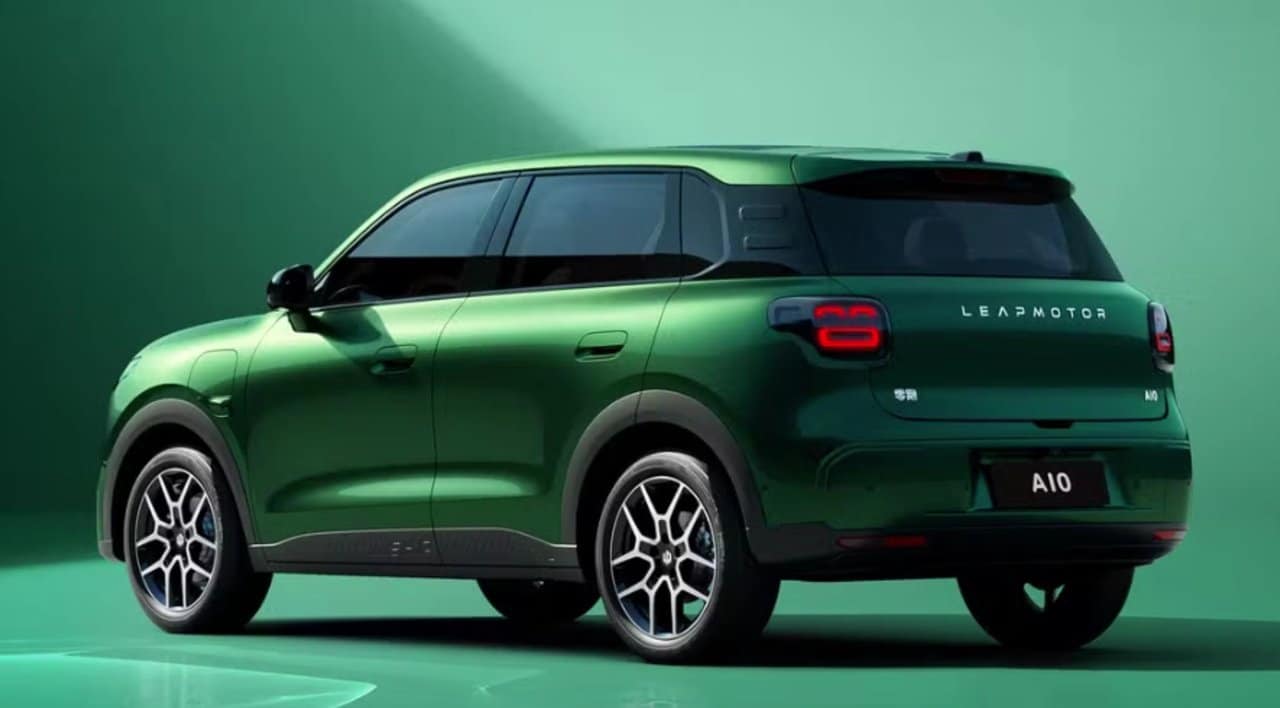
The mechanical assembly is driven by an electric motor mounted on the front axle, capable of developing 123 horsepower. Este propulsor foi calibrado priorizando a eficiência em vez da esportividade pura, resultando em um consumo médio estimado em 17 kWh a cada 100 km rodados em percurso misto. One of the biggest technical differences is the thermal management and recharging system: at compatible direct current stations, the vehicle recovers 30% to 80% of its charge in just 16 minutes, a considerably quick time for the current standard in the category.
Dimensions and use of space
At 4.27 meters long, 1.81 meters wide and 1.64 meters high, the utility vehicle fits perfectly into the fastest growing segment in the Brasil, that of compact SUVs. Seu wheelbase of 2.61 meters guarantees a generous internal area, with the manufacturer declaring a cabin utilization rate of 88.1%. The trunk offers volume compatible with popular combustion rivals, such as the Hyundai Creta and the Volkswagen T-Cross, eliminating one of the common complaints in vehicles adapted for electrification.
The exterior design follows the contemporary visual language of trams, characterized by the closed front grille and LED optical sets that give the project modernity. The color palette was designed to attract a young and diverse audience, moving away from the traditional black and silver. Options include vibrant and distinctive shades such as Verde Algas Marinhas, Marrom Bolota, Azul Frutas Vermelhas, Cinza Tundra, Prata Rio Estrela and the exotic Rosa Morgan. The interior follows this proposal, offering finishes that can be customized in certain versions.
Commercial strategy and arrival at Brasil
The operation of Leapmotor in the Brazilian market is directly facilitated by the structure of National production, planned for the Pernambuco automotive hub, is a real possibility that would put the brand at a competitive advantage over imports, avoiding exchange rate fluctuations and new import tariffs for electric vehicles.
Market estimates point to a price positioning between R$150 thousand and R$160 thousand, already considering the current tax burden. Nesta range, the model would face strong competitors such as the BYD Yuan Pro and the Volvo EX30. Enquanto, BYD’s Chinese rival, bets on greater power and extended warranty, and the Swedish model focuses on minimalist design and all-wheel drive, the A10 seeks its space by offering a balance between cost, recharging speed and the support of the Stellantis assistance network.
Technology and active safety
Despite being positioned as an entry-level model in the brand’s range, below the C10 and B10 models, the vehicle does not skimp on onboard technology. Versões more complete devices can be equipped with roof-mounted lidar sensors, essential hardware to enable advanced level 2 or higher semi-autonomous driving functions. The active safety package includes automatic emergency braking, lane keeping assistant, as well as a set of cameras and radars that monitor the vehicle’s surroundings, raising the standard of protection for occupants and pedestrians.
The independent suspension and front-wheel drive were tuned to offer comfort on poorly paved urban roads, a crucial feature for acceptance in the South American market. The engine’s oil cooling system ensures that performance remains stable even in conditions of intense use or high temperatures, reinforcing the proposal of being a robust electric car for daily use by the Brazilian family.



