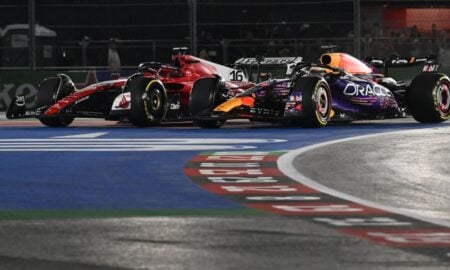
Max Verstappen blasts 2026 regulations and says new Formula 1 models are anti-racing


The Max Verstappen driver, from the technical regulation. Segundo the competitor, changes focused on extreme hybridization transformed single-seaters into machines that prioritize energy efficiency over pure speed and direct combat on the track.
The Dutch athlete’s main complaint lies with the battery energy management system, which now holds a much greater responsibility for the vehicle’s total power. Verstappen even classified the new models as a high-performance version of the all-electric category, demonstrating frustration with the constant need to monitor electronic components. The driver highlighted that the essence of the competition is being diluted by rules that prevent competitors from exploring the maximum performance limits of their equipment during laps.
Test sessions on the Bahraini circuit revealed that the balance between the combustion engine and the electrics drastically altered the cars’ behavior on straights and curves. Diversos pilots noticed that the accumulated energy ends earlier than expected, forcing defensive economy maneuvers that were not common in the previous era of the category. Max Verstappen emphasized that this dynamic undermines the spectacle and the feeling of control that an elite pilot seeks when taking command of an Fórmula 1.

Technical challenges of the new engine regulations
The transition to the 2026 engines brought a significant change in power distribution, increasing the electrical capacity from 120kw to 350kw, which represents half of the driving force. Essa change requires drivers to adopt specific driving techniques to regenerate energy, such as braking more aggressively or downshifting early at strategic points. Para Verstappen, these requirements transform the act of driving into an exercise in bureaucratic management, removing the naturalness necessary for position disputes at high speed.
The Red Bull driver explained that excessive dependence on the battery causes performance on the straights to be severely impacted if management is not perfect. Ele lamented the fact that small adjustments in the way of braking or shifting gears now have a disproportionate weight on the final lap time. In his vision, the category should focus on providing a more organic riding experience and less linked to energy efficiency algorithms that limit athletes’ potential.
Impact on competitiveness and driving pleasure
Verstappen’s perception is that the new cars represent a technological step backwards in terms of the pleasure felt by the driver inside the cockpit. Ele highlighted that the level of grip offered by the new tires, added to the current aerodynamic configuration, makes the package less attractive than the models used until last year. Embora recognize that the rules are the same for all competitors on the grid, the Dutchman did not hide his preference for systems that allow more aggressive driving.
- Increased electrical dependence to 50% of total power.
- Need for “lift and coast” techniques to preserve the battery.
- Sudden loss of speed at the end of long straights.
- Reduction in mechanical grip perceived by pilots in initial tests.
The discontent expressed by Max is not isolated, as other big names, such as Lewis Hamilton, have also raised concerns about the excessive complexity of the regulation. However, Verstappen was the most emphatic in using the expression “anti-racing” to define the current technical scenario of the top form of motorsport. Ele believes that the direction taken by the category’s legislators prioritized political and environmental issues instead of the sporting dynamics that established the Fórmula 1 worldwide.
Future of Verstappen and interest in other categories
The controversial statements in Bahrein reignited the debate about whether Max Verstappen would remain in Fórmula 1 after the end of his current contract, scheduled for 2028. The driver has already mentioned on several occasions that having a winning car is not the only factor that motivates him to continue competing at the highest level. Para him, the fun factor and the technical challenge of taming a fast machine are fundamental to maintaining interest in an exhausting routine of travel and training.
Frustration with new technical directions can accelerate the driver’s desire to seek new horizons in long-term competitions, such as endurance races. Ele revealed that the environment in these categories, where it is possible to drive at the limit without constantly worrying about battery indicators, seems increasingly attractive. Verstappen confirmed that he has been exploring options outside of the Fórmula 1 circus to ensure that he continues to feel the adrenaline that motivated him to begin his professional career.
Direct comparison with Fórmula E technology
By drawing a parallel with the Fórmula E, Verstappen touched a nerve for enthusiasts of internal combustion and traditional raw power. Ele argued that, if the category’s priority became exclusively efficiency and energy management, it might make more sense to definitively migrate to the electric series. Essa criticism directly affects the efforts of Federação Internacional of Automobilismo (FIA) to make the sport more sustainable and attractive to major global manufacturers.
The driver reiterated that his nature is to be direct and honest about what he feels when driving, regardless of the political repercussions his words may generate. Ele understands that his opinions may not be well received by those responsible for the regulations, but defends the right to express his technical vision as the protagonist of the show. Para Verstappen, transparency is essential so that adjustments can be discussed before the new technological cycle becomes consolidated and immutable.
Outlook for the remainder of the testing season
With pre-season testing still underway, teams are looking for solutions to mitigate the problems highlighted by their main drivers before the first official race. Red Bull Racing works intensely to optimize the energy management software, trying to give back to Verstappen some of the confidence lost in the first contacts with the car. The challenge is to find a compromise between the power delivery required by the rules and the handling that allows the driver to get the most out of the chassis.
The behavior of the new cars in real racing conditions is still an unknown that will only be resolved with the start of the 2026 world championship. Até there, the atmosphere in the pits remains tense, with engineers and designers under pressure to transform complex machines into efficient competition instruments. Expectations now revolve around the possible responses of the FIA and the organization of the Fórmula 1 to the drivers’ clamor for changes that restore the excitement of the tracks.
Riding at the limit remains the primary goal of athletes of Verstappen’s caliber, who do not seem willing to accept a passive transition into an era of excessive automation. The debate that began at Bahrein promises to continue throughout the season, influencing not only technical development, but also the driver market and the strategic decisions of major teams. The future of the category depends on the balance between necessary innovation and preserving the competitive DNA that attracts millions of fans around the globe.