Milei government obtains approval of labor reform in the Senate amid protests and sends it to the Chamber


Senado of Argentina validated in the early hours of this Wednesday the package of changes to labor laws promoted by the administration of Javier Milei. The approval marks a decisive step for the libertarian government, which seeks to make hiring and firing rules more flexible in the neighboring country as a way of stimulating the economy. The text now goes to Câmara of Deputados, where it will be analyzed and may undergo further changes or be fully ratified by legislators.
The legislative session was marked by intense debates between the government base and the Peronist opposition, reflecting the political polarization that the South American nation is experiencing. The final score showed 42 votes in favor of the reform and 30 against, guaranteeing a comfortable victory for Casa Rosada at this stage of the process. The proposal aims to profoundly change the dynamics between employers and unions, modifying structures that have been in force for decades in Argentine legislation.
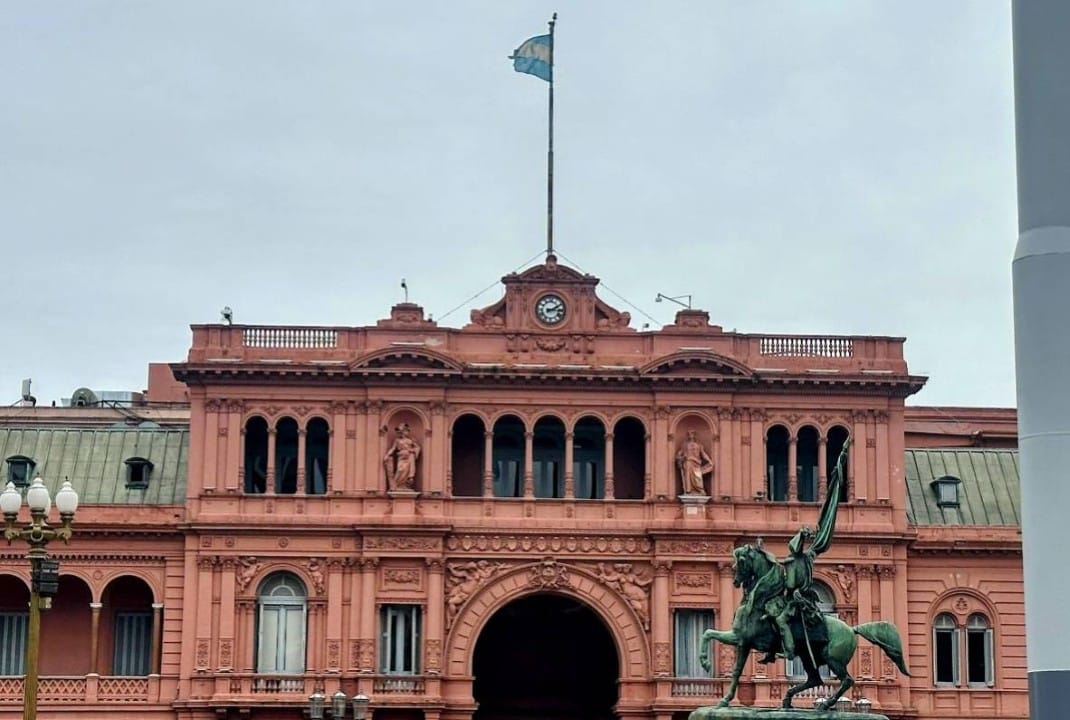
The project’s central objective is to modernize the labor market, reducing costs associated with labor disputes and facilitating the formalization of jobs. Entre The most controversial points approved by the senators are the extension of the trial period for new hires and the creation of a termination fund that replaces traditional compensation. The government argues that these measures are essential to unlock economic growth and attract foreign investment.
For the Milei economic team, the rapid processing of the project is an absolute priority. The executive’s intention is for the new legislation to be sanctioned and in force by the first of March, the date that marks the opening of the ordinary sessions of the Congresso. Meeting this deadline is seen as a sign of governability and political strength before the financial market and the international community.
Details of changes in legislation
The reform approved in Senado introduces significant changes to Lei of Contrato of Trabalho, which governs labor relations in Argentina. One of the pillars of the new regulations is the extension of the testing period for new employees. Atualmente set at three months, the deadline can be extended to up to eight months, depending on the size of the company, which, according to the government, will provide greater legal security for small and medium-sized companies to hire.
Another critical point of the proposal is the modification of the compensation system for unfair dismissal. The project establishes the possibility of replacing the payment of termination fines with an unemployment fund, made up of monthly contributions from the employer, following a model already used in the construction sector. Essa change aims to eliminate the so-called “judgment industry”, a term used by the government to describe the high volume of labor lawsuits that burden the productive sector.
The text also addresses the issue of strikes and strikes, imposing limits on sectors considered essential. The new regulation requires the maintenance of minimum services in areas such as health, education and transport during union protests. The measure generated a strong reaction from trade unions, who see the proposal as an attempt to weaken workers’ bargaining power and restrict the constitutional right to strike.
Businesspeople and representatives of the productive sector received the approval with optimism, highlighting the need to update laws that they consider obsolete. União Industrial Argentina expressed support for the changes, arguing that the current rigidity prevents the creation of new formal jobs. On the other hand, labor lawyers warn that the precariousness of labor relations may not result in an increase in employment, but rather in a reduction in workers’ income.
Clashes and tension in the streets
While the senators discussed the project in the plenary, the atmosphere outside Congresso was extremely tense. Milhares of protesters, called by unions, social movements and left-wing parties, occupied the adjacent streets to protest against the reform. The security device set up by Ministério of Segurança was activated to contain the advance of the crowd, resulting in direct clashes between police forces and activists.
The police used pepper gas and rubber bullets to disperse protesters who tried to break the cordon. Relatos from human rights organizations and the local press indicate that there was excessive use of force. The balance of the disturbances included at least seven security officers injured and two people detained by authorities during the moments of greatest conflict.
The clashes intensified in the early evening, when news of the probable approval began to circulate among those present. Grupos more radicals clashed with Gendarmeria, who responded with fire hydrant trucks and dispersal tactics. The square in front of the Congresso turned into a pitched battle scene, with improvised bonfires and stones being thrown at the forces of order.
Union leaders harshly criticized the police repression, classifying the action as an attempt to silence workers’ voices. The Confederação Geral of the Trabalho (CGT), the largest trade union center in the country, promised to maintain the mobilization and does not rule out calling for a general strike if the law is definitively approved in the Câmara of the Deputados. Street resistance promises to be an ongoing challenge to implementing the Milei reform agenda.
Impact on the economic scenario
The approval of the labor reform is considered a key part of the economic stabilization plan designed by the minister of Economia. Argentina faces a prolonged crisis, with high inflation rates and stagnation in productive activity. The government is betting that the relaxation of labor laws will serve as a catalyst for recovery, encouraging the formalization of millions of workers who currently work in the informal economy.
Recent data shows that around 40% of the Argentine workforce operates outside of official records, without access to basic rights or social security. The Milei administration argues that reducing hiring costs is the only way to reverse this situation. The expectation is that, with clearer and less onerous rules, companies will feel confident to expand their staff and invest in new technologies.
Economic experts assess that the reform, although necessary, will not be sufficient on its own to solve the country’s structural problems. The lack of macroeconomic stability and the scarcity of international reserves continue to be significant obstacles. However, the signal that the country is willing to carry out structural reforms is seen as positive by multilateral credit organizations, such as the IMF.
The small and medium-sized business sector, responsible for most jobs in the country, eagerly awaits the implementation of the new rules. Confederação Argentina of
Divisions in the trade union movement
The progress of the reform also exposed fractures within the Argentine union movement. Enquanto the most combative wing promises to resist until the last consequences, more moderate sectors of the unions began discreet dialogues with the government to negotiate specific points of the text. Essa strategic division may weaken the ability to mobilize against the project in the final stretch of its legislative approval.
Some union leaders recognize, behind the scenes, the need to modernize certain aspects of legislation, especially with regard to new forms of digital and remote work. However, the fear is that the opening for negotiations will be interpreted as weakness in the face of a government that adopts a stance of direct confrontation with traditional union corporations.
The sector known as “The Gordos”, which groups service and commerce unions, has shown greater willingness to discuss alternatives, unlike the wing led by truck drivers and bank workers. Essa fragmentation is closely monitored by Casa Rosada, which seeks to isolate the most radical groups and build bridges with leaders willing to accept the new rules of the game.
Next steps in the legislature
With the approval of Senado, the focus now turns to Câmara of the Deputados, where the government will need to forge new agreements to guarantee the definitive sanction of the law. The composition of Câmara is complex and Milei’s party does not have an absolute majority, which will require political skill to maintain the support of allied blocs and independent deputies who voted in favor in previous stages.
The opposition, led by Peronism and the left, promises to intensify legislative obstruction and put pressure on undecided deputies. The strategy involves calling public hearings and mobilizing public opinion against the most sensitive articles of the reform. Time is a crucial factor, as the government wants to display the new law as a political trophy at the beginning of the legislative year.
Political analysts predict weeks of frantic negotiations in Buenos Aires. The final outcome of this legislative battle will define not only the future of labor relations in Argentina, but also the governance capacity of Javier Milei and the sustainability of its ambitious liberal economic transformation project.