
Moon Phase today February 13th; waning waning and full calendar of the month

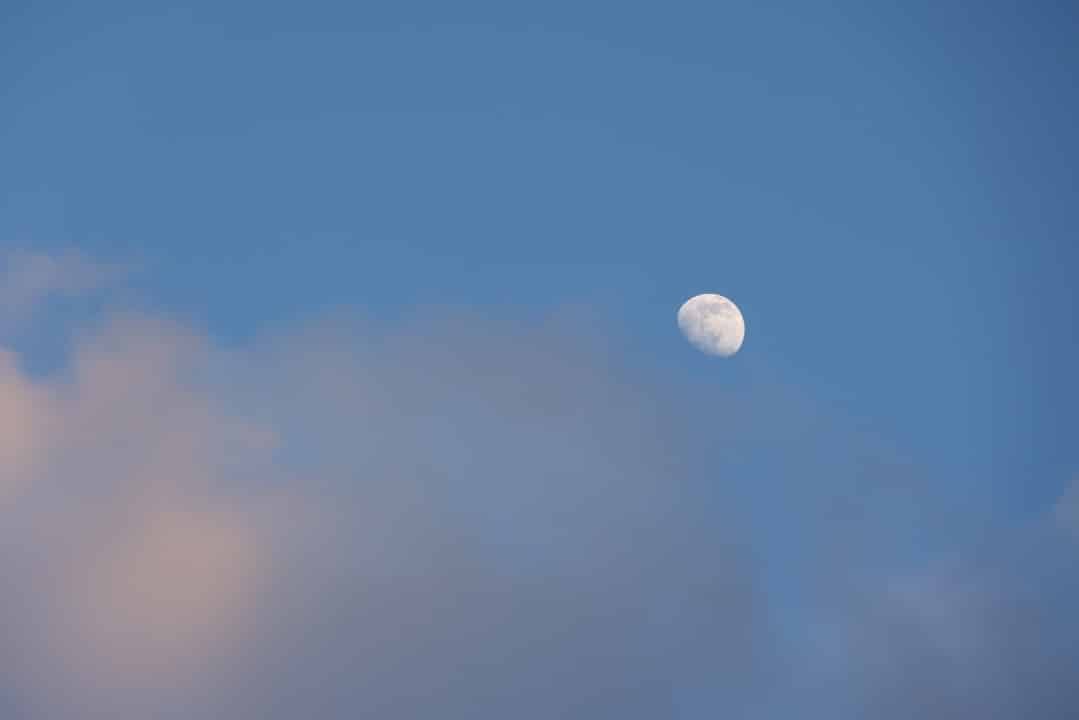
This Friday, February 13, 2026, Lua is in the waning phase. The illuminated portion reaches approximately 19% and continues to decrease until the arrival of Lua Nova.
The natural satellite appears in the night sky in the shape of a thin luminous band. Observadores throughout the Brasil may notice this gradual reduction in lighting each night.
There are only four days left until the next Lua Nova, scheduled for February 17th. Esse period marks the transition to a new complete lunar cycle.
- Moon Cheia occurred on February 1 at 7:10 pm (Brasília time).
- Room Minguante registered on February 9th at 09:44.
- Lua Nova is scheduled for February 17th at 9:03 am.
- Room Crescente will take place on February 24th at 9:28 am.
Detailed calendar of lunar phases in February
February 2026 features four main phases of Lua, following the regular monthly pattern. Dates and times follow precise calculations based on official astronomical observations.
Lua Cheia started the month on February 1st, with full lighting at 7:10 pm. Esse moment recorded the satellite’s peak visibility in the night sky.
Quarto Minguante occurred on February 9 at 09:44, marking the beginning of the visible reduction. From then on, the illuminated portion began to progressively decrease.
Lua Nova is scheduled for February 17th at 9:03 am, when the satellite is positioned between Terra and Sol.
Transitions between phases of the month
The lunar cycle lasts an average of 29.5 days, a period known as lunation. In February 2026, changes occur at regular intervals.
After Lua Cheia, the lighting gradually reduces until Quarto Minguante. Essa transition affects the nighttime appearance of the sky in several regions.
The current waning phase continues until Lua Nova. Observadores notice the increasingly thin light band on the horizon.
Quarto Crescente will close the month on February 24th at 9:28 am. Nessa date, half of Lua becomes visible again.
Scientific characteristics of the waning phase
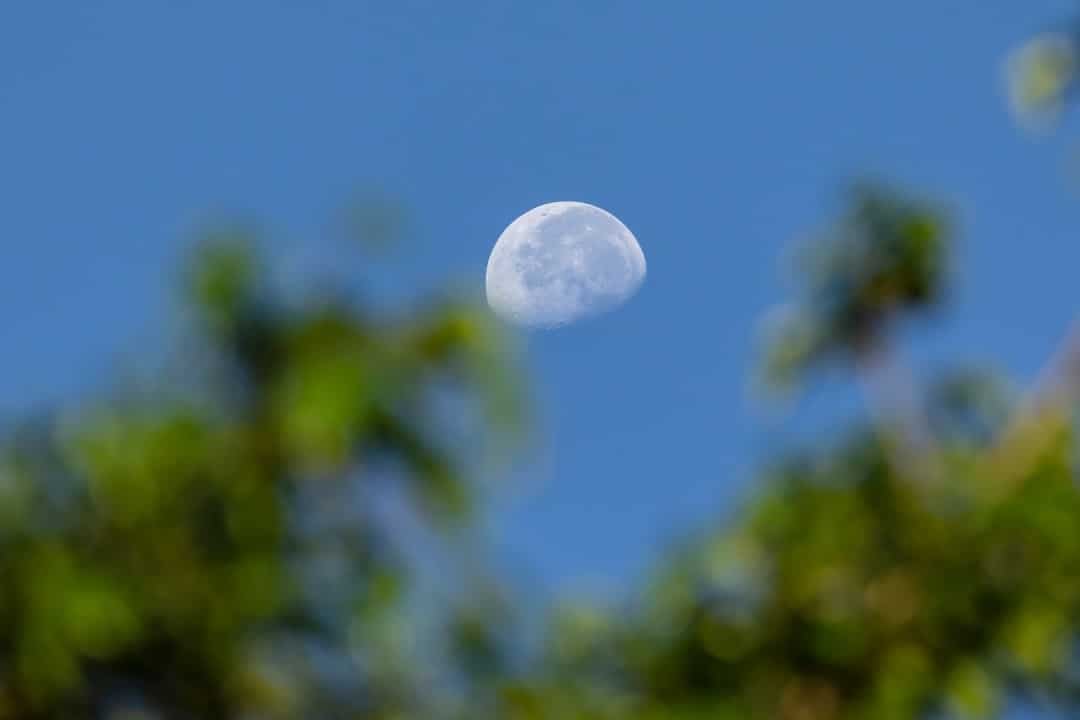
The waning phase occurs when Lua positions itself after Cheia in its orbit around Terra. Sunlight only illuminates part of the hemisphere facing us.
At this stage, visibility reduces to values like the 19% recorded today. The phenomenon results from the gradual alignment between Sol, Terra and Lua.
Observations indicate that Lua is born later each night during this phase. The satellite appears in the sky in the morning in some regions.
Reducing lighting directly affects phenomena such as ocean tides. The tides are less intense compared to the period of Lua Cheia.
Practical observation of the current waning Lua
Urban observers can see the waning Lua in places with little light pollution. Binóculos or simple telescopes reveal surface details.
The illuminated portion has craters visible even with basic equipment. The contrast between light and shadow highlights ancient geological formations.
Horários de visibilidade variam por região no Brasil. At the time of Brasília, the satellite remains in the sky until dawn.
Clear weather conditions favor direct observation. Nuvens Densities may obscure vision in specific areas.
Tips for photographing Lua in its waning phase
Photographs of the waning Lua require a stable tripod to avoid shaking. Exposições long capture details of the illuminated surface.
Cell phone cameras with night mode produce satisfactory results. Ajustes manual ISO and exposure time improve quality.
- Use optical zoom to zoom in on the image without losing definition.
- Avoid flash to preserve the natural contrast of lunar lighting.
- Shoot from elevated locations to reduce atmospheric interference.
- Combine the Lua with skyline elements for interesting compositions.
Annular solar eclipse associated with the upcoming Lua Nova
The Lua Nova of February 17th coincides with an annular solar eclipse. Nesse phenomenon, the Lua partially covers the Sol, forming a luminous ring.
Full visibility is concentrated at Antártida, with a maximum duration of around two minutes. Regiões nearby register limited partiality.
In Brasil, the event will not be visible directly due to the geographical position. Transmissões online allows remote monitoring.
The ring of fire characterizes annular eclipses when Lua is further away from Terra. The apparent diameter reduces, preventing full coverage.
Lunar cycle and its four main phases
The lunar cycle is divided into four main phases: Nova, Crescente, Cheia and Minguante. Cada one lasts approximately seven days on average. Na Lua Nova, the satellite becomes invisible because it is aligned with Sol. Lighting increases again in phase Crescente.
The Lua Cheia features a fully illuminated disc. Then, the reduction begins in phase Minguante. Esse pattern is repeated monthly with small variations in duration. Observatórios records transitions accurately.
Scientific influences of the lunar cycle
The phases of Lua directly influence ocean tides due to gravity. Períodos of Cheia and Nova record higher tides.
Studies indicate a correlation between lunar lighting and the behavior of some animal species. Aves migrants use the Lua for night orientation. Pesquisas farmers analyze impacts on planting in different phases. Dados show variations in the growth of certain crops.
Professional astronomical observations use the cycle to plan space missions. Janelas of launch consider lunar positions.
Other astronomical events in the month
February 2026 recorded an Alfa Centaurídeos meteor shower peaking on February 8. Até six meteors per hour were visible in the Southern Hemisphere.
Observation conditions favored regions with clear skies. The phenomenon occurred without significant interference from Lua.
Planetary alignments also marked the period. Observadores recorded relative positions of visible planets. Atividade moderate solar influenced communications on some frequencies. Continuous Monitoramentos accompanied variations.
Tools for tracking lunar phases
Mobile apps offer real-time updated lunar calendars. Usuários query visibility by specific location.
Meteorological institute websites publish official tables. Dados include exact times of phase transitions.
Amateur telescopes allow detailed observation of the surface. Accessible Equipamentos reveal lunar craters and seas. Interactive Mapas shows Lua’s position in the sky by hour. Ferramentas help plan observation sessions.
The current waning phase reflects the natural satellite’s continuous cycle. Regular Observações reveal predictable patterns over the months. The February calendar highlights clear transitions between phases. Eventos and the annular eclipse add astronomical interest to the period.
Official data maintains accuracy in lunar predictions. Instituições update information based on orbital calculations. Observação of the night sky remains accessible to the general population. Simple Equipamentos is enough to monitor visible changes.




