
Shortage of components forces Toyota to halt sales of hybrid SUVs and recovery only occurs at the end of the year


The global automobile industry faces a new chapter of logistical restrictions that directly impacts the availability of high-demand models on the market. Toyota has officially announced the temporary suspension of orders for one of its most popular hybrid SUVs, a drastic measure taken to avoid unsustainable waiting lines. The decision comes at a time when demand for the vehicle far exceeds the factories’ current production capacity, exacerbated by the occasional lack of semiconductors and electronic components essential for the most sophisticated versions of the car.
The brand’s dealers have already been instructed to stop accepting new orders, focusing exclusively on serving customers who already have signed contracts. The Japanese automaker clarified that the absolute priority is to meet the delivery deadlines for units already sold, ensuring transparency and consumer trust. The forecast is that the normalization of the order flow and the reopening of sales will only occur in the second half of 2026, subject to the stabilization of the supply chain.
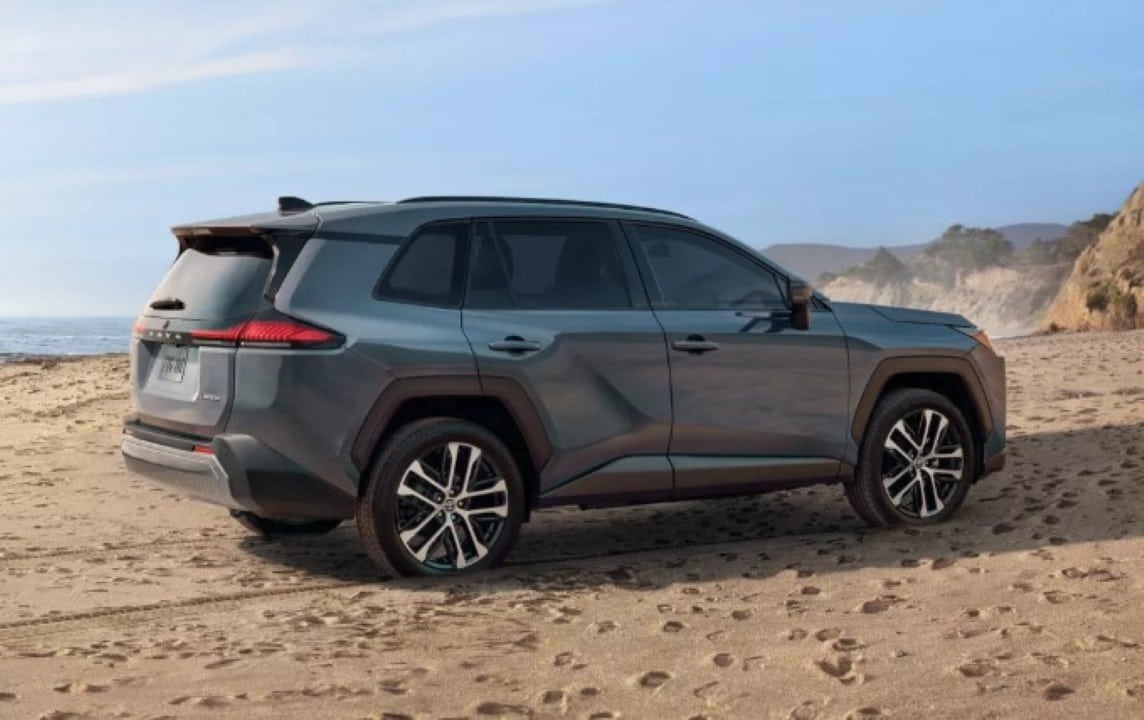
This containment strategy aims to protect the brand’s reputation and customer experience, avoiding delivery promises that could extend for uncertain periods. The model in question, which combines energy efficiency with a premium finish, has become a sales pillar, but its technological complexity makes it more vulnerable to a shortage of specific chips. The company monitors the situation weekly, adjusting its manufacturing schedules to optimize the allocation of available parts.
Industry analysts note that this movement is not isolated, reflecting a scenario where the accelerated electrification of the global fleet puts pressure on technology suppliers. The high demand for plug-in hybrid vehicles (PHEV) and conventional hybrids has created production bottlenecks that, although temporary, require complex logistical maneuvers on the part of large automakers to balance supply and demand without compromising the final quality of the product.
Impact on luxury versions and technical specifications
The stoppage mainly affects the top-of-the-line configurations, identified as the “Z” version and the packages that include leather finishing, which are precisely those most sought after by demanding consumers. Estes models are equipped with advanced technologies that require a greater number of semiconductors, such as the digital rear-view mirror with recording function and state-of-the-art integrated navigation systems. The shortage of these specific components was decisive for the freezing of new orders.
The sophisticated design and the robust list of standard equipment turned these versions into critical and public successes, creating a volume of orders that the assembly line cannot process at the current speed. The automaker chose not to sacrifice standard items to speed up production, maintaining the quality standard that defines the vehicle category, even if this means restricting sales volume in the short term.
For consumers looking for a balance between performance and refinement, the wait is justified by the differences the car offers, especially in acoustic insulation and the quality of interior materials. The PHEV version, in particular, has attracted drivers who want to carry out their daily journeys in purely electric mode, without range anxiety, thanks to the support of the efficient combustion engine.
TNGA platform engineering and mechanical efficiency
The commercial success of the model is intrinsically linked to its construction on the global TNGA platform, specifically the GA-K variant, which allowed engineers to create a vehicle with a lower center of gravity and superior torsional rigidity. Essa architecture is responsible for the refined handling and ride comfort that have become references in the medium SUV segment. The suspension, calibrated to absorb imperfections without transmitting excessive vibrations to the cabin, is one of the highlights praised by both the specialized media and the owners.
Under the hood, the hybrid system that combines a 2.5-liter gasoline engine with electric drives continues to be a benchmark for thermal and energy efficiency. The harmonious integration between energy sources guarantees not only low levels of pollutant emissions, but also an agile response when overtaking and retaking, characteristics essential for road safety. Intelligent energy management allows the vehicle to switch between driving modes seamlessly, prioritizing fuel economy whenever possible.
Advanced security and market prospects
In addition to mechanics and comfort, the Toyota Safety Sense safety package received updates that raised the standard of protection offered to occupants and pedestrians. The system includes automatic emergency braking with cyclist and pedestrian detection, adaptive cruise control and lane keeping assistant, technologies that rely heavily on high-capacity sensors and processors. The decision to pause sales ensures that no vehicle leaves the assembly line without perfect calibration of these vital systems.
The automotive market eagerly awaits the resumption of sales, projecting that pent-up demand could generate a new peak in orders at the end of 2026. The automaker, in turn, is working behind the scenes to strengthen partnerships with technology suppliers, seeking alternatives that shield its production against future fluctuations in the supply of components. The situation serves as a thermometer for the industry, signaling that the transition to smarter, electrified vehicles requires a more robust and resilient supply chain.
Despite the current challenges, the strategy of prioritizing transparency and quality reinforces the brand’s positioning in the premium segment. Customers waiting for their vehicles are guaranteed to receive a product that has not suffered equipment “plucking”, maintaining the integrity of the original design and future resale value, decisive factors when choosing a car of this size.



