
Tool created by Brazilian allows you to run PlayStation 2 games natively on Windows without crashes

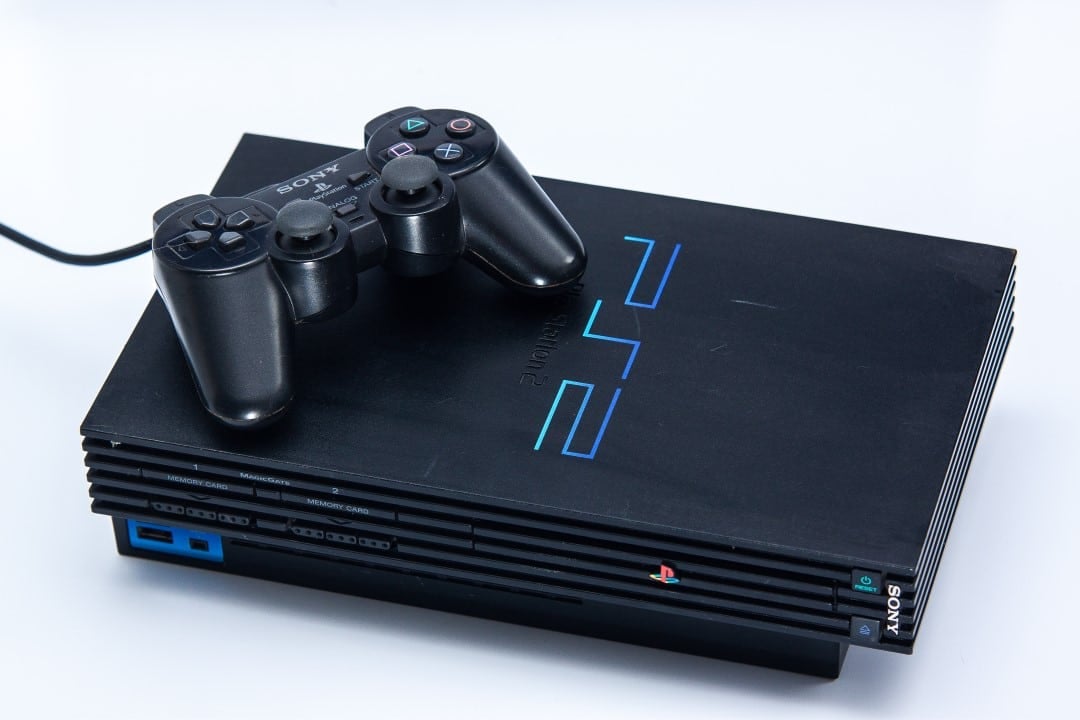
The global digital game preservation community and technology enthusiasts have turned their attention to an innovation developed in Brasil that promises to change the way classic titles run on modern computers. The project called PS2Recomp appears as an advanced technical solution that moves away from traditional emulators, offering a new methodology to process the vast catalog of the Sony console. The tool’s main objective is to convert original games into native software for the Windows operating system.
The central concept behind this initiative is the elimination of the need to simulate old hardware in real time, a process that requires great processing capacity from current machines. Instead of imitating the console’s behavior, the software performs a complete translation of the game’s code, allowing it to communicate directly with the computer’s components. Essa approach seeks to resolve chronic performance and compatibility issues that affect the execution of more complex titles.
PS2
PS2Recomp はブラジル人によって作成ざバイナリを C ++
プロジェクトの準備はできていませんが、作業は開始しました。pic.twitter.com/LblIGHIGHg
— セニョール・リングイカ (@SenhorLinguica)2026 年 1 月 26 日
Developers and players are following the developments of this technology with interest, as it opens the door to significant visual improvements and superior stability. The Brazilian creation not only facilitates access to games, but also proposes an infrastructure that modernizes the internal functioning of software, ensuring that classics from past decades can enjoy the advantages of cutting-edge processors and video cards.
Technical differences between emulation and static recompilation
The main distinction of PS2Recomp in relation to established software, such as PCSX2, lies in the technique used to process game instructions. Enquanto Conventional emulators translate console commands to the computer as the game takes place, requiring constant and heavy calculations, the new tool adopts static recompilation. Esse method analyzes the game’s original binary code and rewrites it entirely to the C++ language, creating an independent executable file.
By carrying out this preliminary conversion, the computer stops wasting resources trying to guess how the PlayStation 2 hardware would react every second. The result is a program that Windows recognizes as native, eliminating the intermediate layer of interpretation. Isso dramatically reduces latency and excessive CPU usage, allowing computers with more modest configurations to run games that were previously inaccessible via traditional emulation.
The technical process involves the complex decomposition of instructions from the PS2’s Emotion Engine processor, converting them to the x86 architecture used on PCs.
Benefits for graphics performance and modifications
Transforming games into native PC executables brings immediate benefits to visual quality and personalization of the experience. Como the code is now interpreted directly by the system, making it feasible to implement support for ultra-high resolutions, such as 4K, and widescreen formats without the distortions or graphical glitches that occur in emulators. The frame rate per second also benefits, being able to exceed the console’s original limits with greater stability.
Another strong point of the technology is the ease it provides for the modding community. With the game code recompiled and accessible, programmers can fix old bugs, improve textures, change gameplay and even add new content with technical freedom that standard emulation does not allow. Isso transforms the old game into a flexible foundation for deep modernizations.
In addition to visual improvements, recompilation allows you to optimize loading times. The loading screens, which on the original console depended on the DVD’s reading speed, become almost instantaneous on the computer, taking advantage of the speed of modern SSDs. Essa agility renews the dynamics of games that suffered from frequent interruptions, making gameplay more continuous and enjoyable.
Preservation of the legacy and future of the project
The PlayStation 2 is the best-selling console in history, with a library that exceeds four thousand titles, many of which have never received official re-releases or remasters. The natural wear and tear of physical discs and the failure of original hardware put this cultural collection at risk of disappearing. PS2Recomp acts as a vital preservation tool, ensuring that these works can be archived and played regardless of the existence of the physical console.
The project follows an open source philosophy, being available on platforms such as GitHub so that other programmers can contribute, audit and improve the tool. While Embora is still in the development and testing phases, the initiative has already demonstrated promising results with several titles, proving the viability of static recompilation as the future of game preservation.
Community collaboration will be essential to expand the tool’s compatibility. Como each game has unique code structures, conversion work requires specific adjustments that can be accelerated by the collective effort of developers around the world. The success of this Brazilian technology could set a new standard for the longevity of video games, ensuring that future generations have access to interactive history without depending on obsolete equipment.



