
World champion points out flaws in 2026 engine and sees similar performance to the electric category

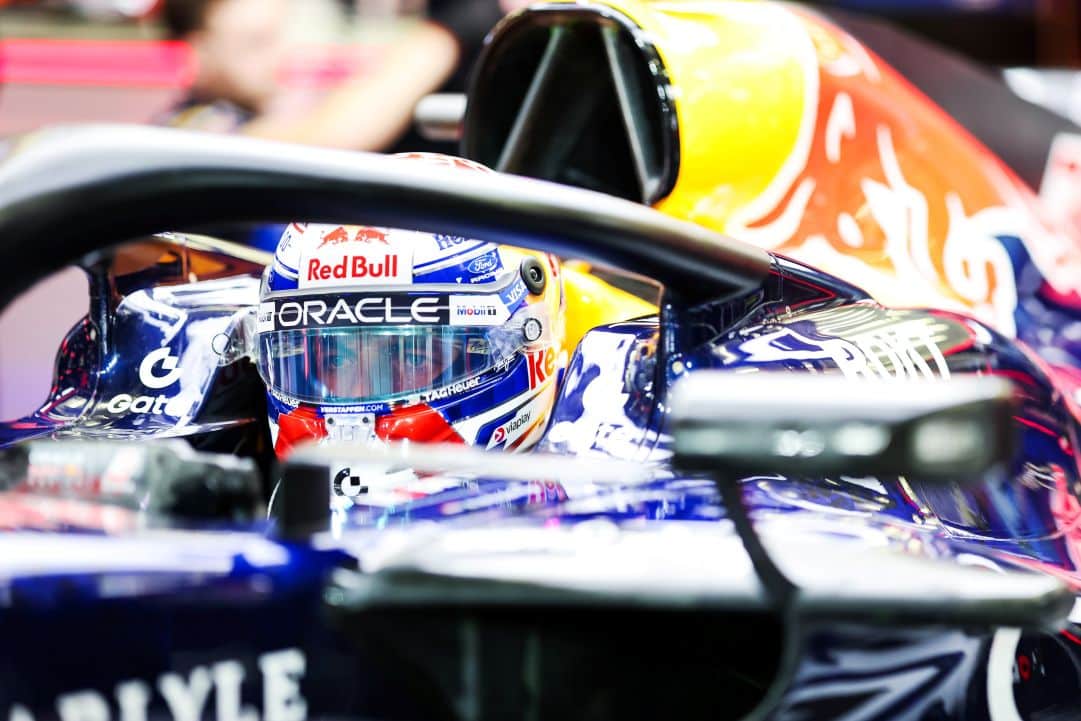
Behind the scenes of the main category of world motorsport is abuzz following the recent results of simulations aimed at the technical regulations expected to come into force in the next generation of cars. Testes carried out in a virtual environment revealed worrying data about the behavior of new power units, raising questions about the sporting viability of the current guidelines.
During intensive sessions on the simulator, a drastic drop in performance was identified compared to the models currently used. The analyzes indicate that, under the rules designed for the near future, vehicles could suffer from a lack of final speed on long straights, forcing drivers to adopt counter-intuitive driving strategies to complete a fast lap.
今日は誰が順調に進みますか? 👀
バーレーンでの木曜日のドライバー横断 👇#F1 #F1テスト pic.twitter.com/6AIvlV2Udw
— フォーミュラ1 (@F1)2026年2月12日
The central concern revolves around the complexity of the new hybrid system and the excessive weight of the components. The scenario drawn by telemetry tools suggests that the category runs the risk of seeing its lap times come dangerously close to access series or all-electric competitions, distorting the competition’s extreme speed DNA.
## Desafios energy management technicians
The critical point of the discussion lies in the new engine architecture, which stipulates an equal division of 50% between internal combustion and electrical power. Embora the intention is to promote sustainability and attract large automotive manufacturers, practical application on the track demonstrated severe failures in continuous power delivery.
Technical reports indicate that, to keep the battery charged during a fast lap, drivers would need to downshift during full-throttle sections. Esse anomalous mechanical behavior would transform driving into a software management exercise, taking the focus away from pure skill and wheel-to-wheel competition.
The comparison with the Fórmula E became inevitable after the realization that the maximum speed would drop abruptly before the traditional braking points. Engenheiros warn that, without adjustments to active aerodynamics or battery capacity, cars would become “monsters” that are difficult to drive, but not necessarily fast.
## Impasse between automakers and competitiveness
The introduction of these rules was a decisive factor in ensuring the commitment of brands such as Audi and Ford, who see expanded electrification as a commercial justification for their billion-dollar investments. However, established teams argue that technology cannot override the quality of the spectacle offered to the public.
There is a real fear that the drive for relevance in the automotive industry will compromise the integrity of the sport. The balance between technological innovation and entertainment has become the center of an urgent debate, with teams pressing the international federation for revisions that ensure the cars remain the pinnacle of performance.
## Perspectivas for regulation adjustments
Given the alarming data collected in the simulations, the category’s technical staff evaluates changes to the guidelines before the final freezing of the standards. The goal is to find a middle ground that maintains sustainable appeal without sacrificing the raw power that attracts millions of fans.
The expectation is that adjustments in the proportion of use of the combustion engine or in the reduction of aerodynamic drag will be implemented. The time for corrections, however, is short, requiring quick consensus between all parties involved to prevent the new era of competition from starting with a step back in performance.





