
Component crisis forces Toyota to suspend hybrid SUV sales with resumption scheduled for 2026


The global automobile industry faces a new chapter in logistical constraints that directly affect the availability of high-tech models. Toyota has officially announced the temporary suspension of orders for one of its most popular SUVs, a decision driven by ongoing shortages of essential electronic parts and semiconductors. The measure aims to prevent an unsustainable backlog of orders that current manufacturing capacity cannot process, ensuring that customers already waiting in line do not face indefinite delivery times.
The current scenario reflects the persistent mismatch between the high demand for electrified vehicles and the reality of the global supply chain. The automaker chose to freeze new requests to prioritize the manufacturing of units already sold, a damage containment strategy to maintain credibility with consumers. The forecast is that the order flow will only be normalized and fully reopened in the second half of 2026, when the company expects a stabilization in the supply of critical parts.
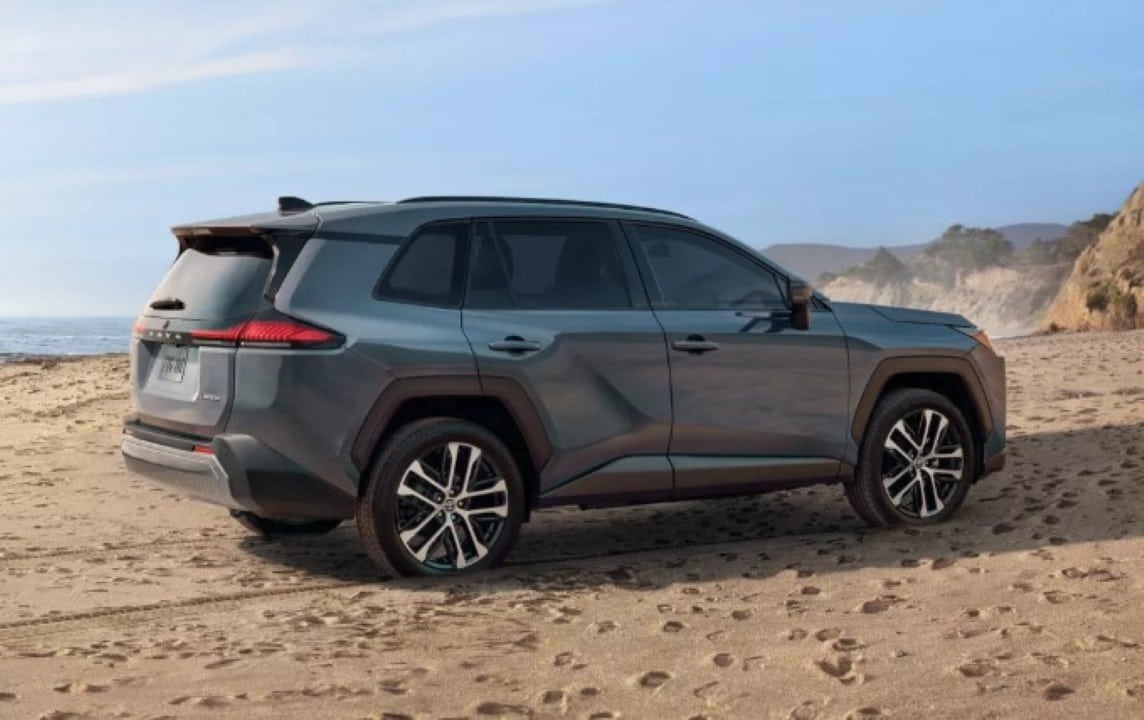
This strategic interruption has the main objective of maintaining transparency with the dealership network and, mainly, with the end customer. By limiting the entry of new orders, the manufacturer tries to mitigate the risk of creating a demand bubble that would result in delays lasting years. The company seeks to balance market dissatisfaction with the physical need for components to complete the vehicles that are on the assembly line.
Industry experts point out that the problem is concentrated in the more sophisticated versions of the SUV, which require a greater number of semiconductors and premium finishes. Dependence on global suppliers makes the assembly line vulnerable to external bottlenecks, requiring dynamic adjustments to the production schedule to maintain operational efficiency possible within current limitations.
Direct impact on top versions and sales network
Production restrictions hit top-of-the-line configurations most severely, specifically the versions identified as “Z” and those equipped with the “Couro Package”. Estas variants are those that require the greatest quantity of microchips to control comfort, safety and infotainment systems, making them the first victims of the shortage of electronic components.
To overcome the lack of items such as smart keys and digital display systems, the automaker needed to review the product mix. Itens like digital rearview mirrors and Head-Up Display (HUD) systems, which project information onto the windshield, are complex and depend on supply chains that have not yet fully recovered. The strategy involves temporarily simplifying some offers to ensure that cars can be delivered, even with changes to the original specifications.
The refined design and luxurious finish of these versions are precisely the points that attract buyers, but they are also Aquiles’s heel in the current industrial situation. The need for specific chips to manage everything from electrical seat adjustment to advanced driving assistants creates a bottleneck that production engineering cannot resolve with internal stocks alone.
The dealership network faces the challenge of managing consumer expectations. Sem the possibility of registering new orders, resellers need to work with the existing portfolio and focus on after-sales. Clear communication about extended deadlines has become the main tool to avoid canceling purchases already made.
Reflections on the used car market and appreciation
The shortage of brand new units had an immediate effect on the used vehicle market. With the interruption of sales of the new model, the demand for pre-owned copies of the same SUV soared, raising prices to unprecedented levels. In many cases, the value of a used model available for immediate delivery exceeds the list price of the new vehicle due to the convenience of immediate ownership.
This phenomenon of atypical appreciation distorts the market, as pent-up demand migrates to the used sector, where supply is also finite. Revendedores independents and official dealerships see their stocks of pre-owned vehicles rotate at record speed, creating a cycle of rising prices that should last as long as new production is not normalized.
Engineering and TNGA platform as differentiators
The success of the model, which now faces queues, is based on the TNGA architecture (Toyota New Global Architecture), specifically the GA-K variation. Esta platform is designed for medium and large vehicles, offering a lower center of gravity and greater torsional rigidity. Essas technical features translate into more stable and safer driving, absorbing irregularities in the ground without compromising comfort in the cabin.
The suspension tuned to work in conjunction with this rigid structure provides a level of comfort and silence on board that has become a reference in the category. Aerodynamic efficiency, combined with the acoustic insulation of the cabin and the reduction of rolling noise, are factors that continue to attract buyers, even in the face of a long wait. The robustness of the platform is one of the pillars that keeps consumer interest high.
Efficiency of the hybrid system and engine
The SUV’s mechanical set combines a 2.5-liter combustion engine with electric motors, forming a highly energy-efficient hybrid system. Esta configuration allows the vehicle to automatically switch between the use of electricity and gasoline, optimizing consumption both on urban journeys and on high-speed highways. The technology manages energy intelligently, recovering charge during braking and deceleration.
The plug-in hybrid version (PHEV) also suffered outages, despite offering the advantage of external charging and a significant range in pure electric mode. Para most daily trips, the system allows you to drive without emitting pollutants, a feature that attracts families and consumers who are aware of sustainability and long-term fuel economy.
Security technology and future prospects
One of the model’s strong points is the “Toyota Safety Sense” safety package, which integrates radar and cameras to prevent accidents. The system includes automatic emergency braking with pedestrian and cyclist detection, adaptive cruise control and lane keeping assistant. Estas technologies rely heavily on data processing, which justifies the sensitivity of production to the lack of chips.
The normalization of the flow of parts and the reopening of orders are only scheduled for the end of 2026. Até there, the automaker must maintain constant communication with its customer base and logistics partners, monitoring the supply chain weekly to take advantage of any opportunity to speed up production. The industry is watching closely as resolving this bottleneck is crucial to the stability of the global automotive market.



