
Component crisis leads Toyota to suspend orders for hybrid SUV with gradual resumption expected


The global automotive industry faces yet another complex chapter in its production logistics, directly affecting the availability of high-demand models. Toyota announced the temporary suspension of orders for one of its most popular SUVs, a decision forced by persistent shortages of key components and semiconductors. The measure aims to avoid an unsustainable backlog of orders that current manufacturing capacity would not be able to meet within a reasonable timeframe, prioritizing the delivery of units that have already been sold previously.
The current scenario reflects the ongoing mismatch between the high need for hybrid models and the reality of the supply chain. With production capacity restricted by a lack of materials, the automaker chose to freeze new contracts to ensure that customers already waiting for their vehicles do not face indefinite delays. The strategy seeks to maintain transparency with the dealership network and the end consumer, avoiding delivery promises that could not be fulfilled in the short term.
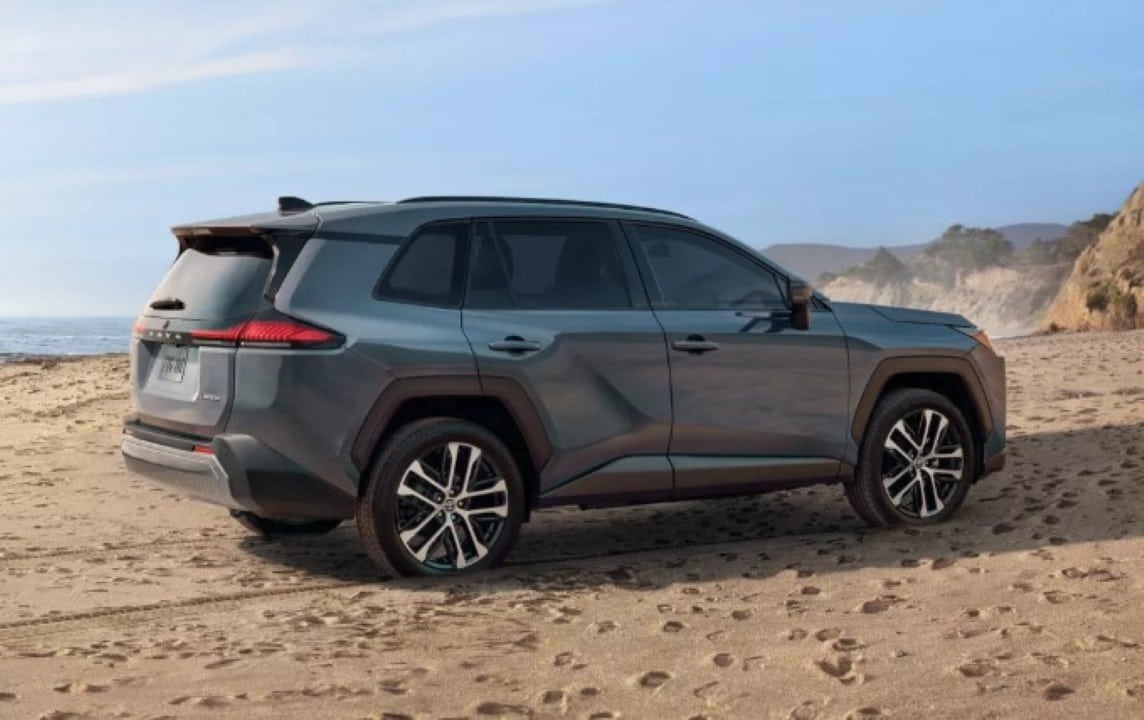
Impact on top versions and premium packages
Manufacturing restrictions hit the most sophisticated configurations in the portfolio most severely. The versions identified as “Z” and those equipped with the optional “Leather Package” are the most impacted, as they require a greater quantity of microchips and advanced electronic components. Estes items are fundamental for the operation of comfort systems and onboard technology that differentiate luxury models from entry-level versions.
The decision to discontinue sales of these specific configurations derives from the assembly complexity they require. Itens like digital interior rearview mirrors and Head-Up Display (HUD) systems, which project information onto the windshield, rely on semiconductors that are in short supply on the global market. Para rationalize the assembly line, the company needs to focus on completing vehicles that use fewer scarce resources or whose components are already in stock.
The refined design and high-quality finish, which are trademarks of these versions, end up becoming a production bottleneck in this time of crisis. The dependence on global suppliers for specific items in the leather and advanced electronics package prevents the automaker from maintaining the fast pace of sales that the consumer market demands, forcing a strategic pause to rebalance parts stocks.
TNGA platform and technical specifications
The model in question is built on the TNGA architecture (Toyota New Global Architecture), specifically in the GA-K variation, designed for medium and large vehicles. Esta platform is recognized for offering a lower center of gravity, which significantly contributes to stability and ride comfort. The improved torsional rigidity of the structure allows for safer and quieter driving, characteristics that have consolidated the SUV’s success in the international market.
In terms of engine, the vehicle combines a 2.5-liter combustion engine with electric motors, forming a highly efficient hybrid system. Esta configuration allows the SUV to automatically switch between the use of electricity and gasoline, optimizing fuel consumption on both urban and highway journeys. The technology manages energy intelligently, recovering charge during braking and deceleration, which reduces the need for frequent stops to refuel.
The plug-in hybrid (PHEV) version is also restricted, although it offers the additional advantage of external recharging. The ability to travel long distances in pure electric mode covers most daily journeys without emitting pollutants, a feature that attracts consumers focused on sustainability and long-term savings. The versatility of use, combined with the extended autonomy, keeps interest in the model high, even in the face of immediate acquisition difficulties.
Reflections on the used car market
The interruption in the supply of brand new units generates an immediate ripple effect on the used vehicle market. With the impossibility of purchasing a new model at a dealership, many buyers migrate to the pre-owned market, looking for units available for immediate delivery. Esse sudden increase in demand, without a corresponding increase in supply, puts upward pressure on prices, increasing the value of used vehicles in the same range.
Historically, the scarcity of new models results in an atypical appreciation of used ones, which are often traded for values close to the new model’s list prices. The durability and mechanical reliability associated with the brand contribute to lower depreciation, and in the current scenario, the vehicle becomes an even more valuable asset. Revendedores of used cars see faster inventory turnover for this specific SUV, with units selling within days of entering the yard.
Advanced safety and driving assistants
One of the pillars of the model’s success is the Toyota Safety Sense safety package, which integrates radars and cameras to prevent accidents. The system includes automatic emergency braking, which detects pedestrians and cyclists, as well as adaptive cruise control and lane keeping assistant. Estas technologies rely heavily on real-time data processing, which justifies the high demand for electronic chips in their manufacturing.
The sophistication of these active safety systems does not allow for simple replacements with generic components. Cada sensor and processor is calibrated to guarantee the integrity of the occupants and the precision of assisted maneuvers. The automaker remains committed not to deliver vehicles with reduced functionality, preferring to delay production rather than compromise the safety standards established by the technology package.
Normalization prospects for 2026
Industry projections indicate that the regularization of the flow of components and the consequent full reopening of orders should occur gradually, with stabilization expected for the second half of 2026.
The strategy involves weekly monitoring of the supply chain and the search for logistical alternatives that can speed up production as soon as the components are available. Para the consumer, the recommendation is to maintain contact with dealerships for updates on availability and possible queues, as demand for the model remains robust despite temporary production adversities.



