
Toyota renews RAV4 with a design inspired by the Prius and only bets on electrified versions in Brazil


The Toyota confirms radical changes for one of its best-selling vehicles globally, bringing an unprecedented visual identity and the definitive abandonment of pure combustion engines. The medium SUV undergoes a complete redesign in its sixth generation, aligning itself with the Japanese automaker’s new sustainability and technology guidelines. The changes aim to maintain the model’s hegemony in the competitive sports utility vehicle segment, with its arrival expected at international dealerships to consolidate the brand’s new phase.
Aggressive and aerodynamic visual identity
The vehicle’s aesthetics break with the conservatism of previous versions, adopting the “Hammerhead” design language, already seen in recent launches such as the new Prius and the C-HR. The front features “C”-shaped LED headlights integrated into a more discreet grille, giving a futuristic and aggressive appearance that significantly improves the aerodynamic efficiency of the package.
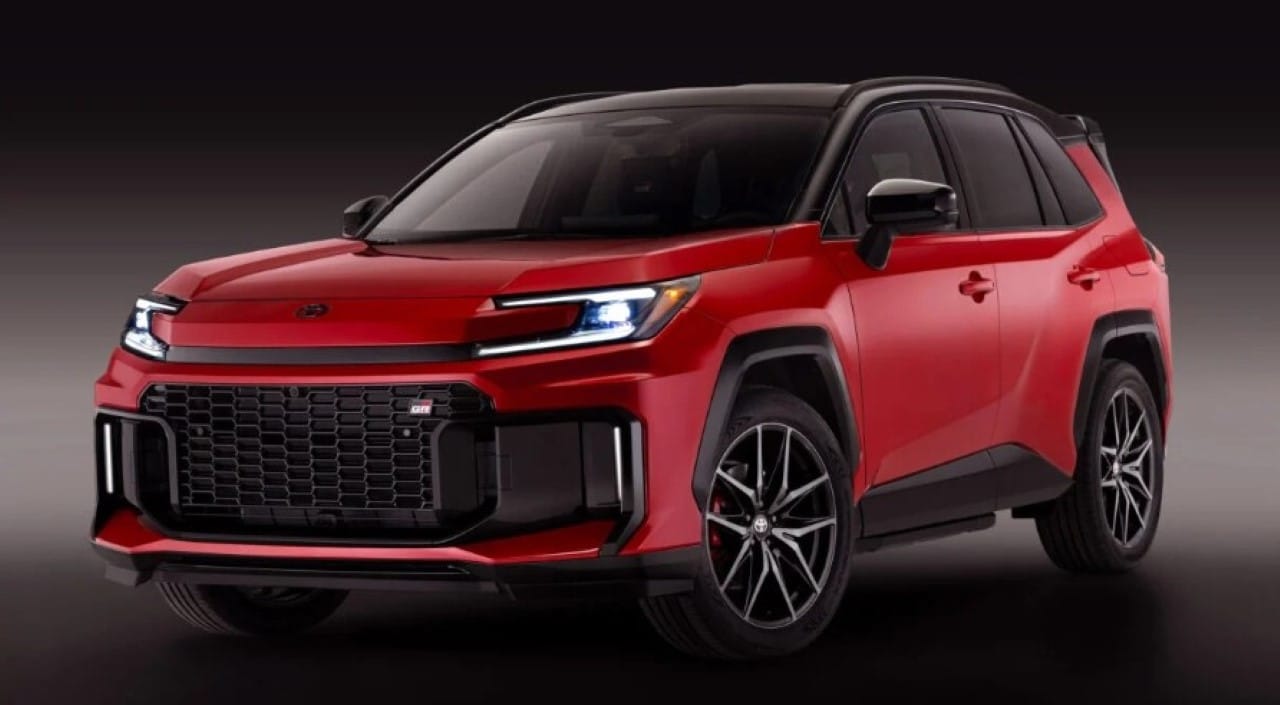
Nas sides, the lines become more striking with deep creases and wheel arches with a quadrangular design, reinforcing the robust proposal for mixed use on varied terrains. The rear follows this evolution with headlights interconnected by a light bar, providing a sophisticated and clean nighttime signature that expands the perception of the car’s width.
Essa visual transformation represents a bold bet by the brand to attract an audience that seeks modernity without giving up the historical mechanical reliability of the model, combining style and functionality.
Digital and connected interior
The cabin receives a bath of technology and refinement, with a focus on the user experience and the digitalization of the main controls. The dashboard was redesigned to accommodate a new entertainment and information system essential for driving, raising the standard of on-board comfort and bringing the utility vehicle closer to premium categories.
Entre The main new features confirmed for the interior of the sport utility vehicle include the following items that make up the new internal architecture:
– Central floating multimedia with up to 14-inch screen and intuitive interface.
– Painel fully digital and customizable instruments for the driver.
– Conectividade wireless for Apple CarPlay and Android Auto in all versions.
– Acabamento with soft-touch materials and improved acoustic insulation.
– Carregamento by induction and multiple USB-C ports distributed throughout the cabin.
End of gasoline-only engines
The engine strategy marks the end of the era of exclusively combustion engines for this line, consolidating the transition to total electrification of the portfolio. The conventional hybrid (HEV) version receives updates to the 2.5-liter engine, which now works together with more efficient electric motors to deliver a combined power of more than 226 horsepower, ensuring agility both in urban traffic and when overtaking on the highway.
Para consumers seeking maximum energy efficiency, the plug-in hybrid variant (PHEV) emerges as the highlight of this generation’s mechanical engineering. Equipada with a high-density battery, this configuration promises an electric range of more than 100 kilometers, allowing most daily trips to be carried out without consuming gasoline, activating the thermal engine only on long-distance trips.
Improved security and platform
Construído based on an evolution of the acclaimed global TNGA platform, the chassis received structural reinforcements that increase torsional rigidity and passive safety in the event of impacts. Além of physical robustness, the Toyota Safety Sense package has been updated with sensors of greater range and precision, including autonomous emergency braking with pedestrian and cyclist detection in low light, intelligent adaptive cruise control and lane keeping assistant, technologies that place the model at the top of the occupant protection ranking in its category.



