
Xiaomi expands distribution of HyperOS 3 with Android 16 and AI capabilities to more than twenty global cell phones

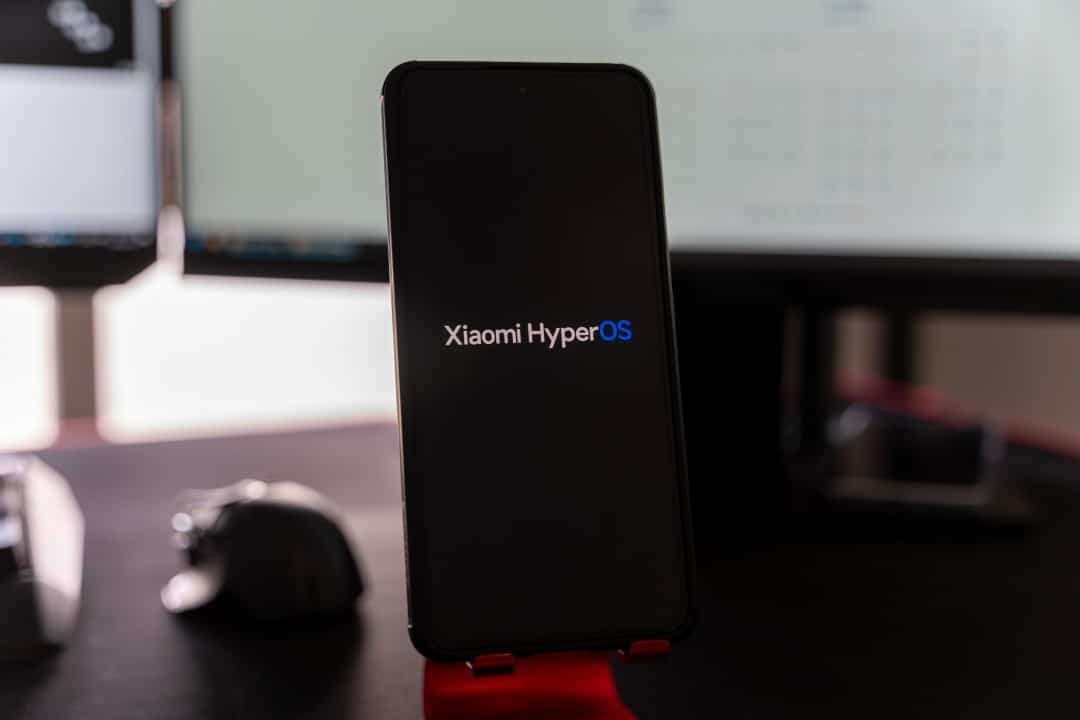
The Chinese technology giant has begun a comprehensive phase of software updates for its mobile device portfolio, bringing the new HyperOS 3 operating system to an expanded user base. The new interface, which in several models is built on the Android 16 architecture, arrives with the promise of revitalizing both recently launched devices and models that have been on the market for some time. The central focus of this massive distribution lies in the deep integration of artificial intelligence tools, substantial improvements in connectivity between the brand’s products and a performance optimization that aims to extend the useful life of the hardware.
Owners of smartphones from the Xiaomi and Redmi lines, including the Brazilian public, began receiving notifications to download the package via OTA (Over-the-Air). The manufacturer’s strategy for this software renewal cycle prioritizes a fluid transition, ensuring that innovations are not restricted only to the most expensive models, but also reach the intermediate segment that makes up a large part of the consumer base. The expectation is that the update will offer a lighter, safer system adapted to current data processing requirements.

Performance and energy efficiency improvements
One of the most technical and impactful changes to HyperOS 3 occurs behind the scenes of the system, with a complete restructuring of the way the software manages the device’s resources. The interface has been redesigned to feature more natural animations and agile transitions, eliminating stuttering during daily browsing or switching between heavy applications. Essa fluidity is the result of more intelligent management of RAM memory and the processor, which are now able to prioritize active tasks with greater precision.
In addition to speed, energy efficiency received special attention from the brand’s engineers. Testes internal reports released by the company indicate that the new optimization can result in battery savings of up to 15% compared to previous versions of the system. The new file system also contributes to this scenario, reducing internal storage fragmentation and keeping the device’s performance consistent over months of use, something crucial for users who don’t change cell phones frequently.
List of models covered
The scope of the update is one of the strengths of this cycle, covering more than twenty different devices. The official list confirms the company’s commitment to maintaining support for previous generations, in addition to equipping the most recent releases with the most modern software. Entre the top of the line devices, the Xiaomi 15 series (Ultra,
In the segment that balances cost and benefit, the Redmi line has a guaranteed presence. The update is available for advanced models such as the Redmi K80 and K80 Dispositivos from past generations, such as the Redmi K70 Ultra and the Note 14, were also included in the schedule. The ecosystem is completed with the update of tablets, such as the Xiaomi Pad 7, and models from the subsidiary POCO, specifically the F6 Pro, reinforcing the unification of the platform.
Artificial intelligence and connected ecosystem
HyperOS 3 transforms artificial intelligence into a native and central component of the user experience, operating through the “Xiaomi AI Brain” engine. Diferente of siled capabilities, AI now acts both in the cloud and locally on the device to deliver proactive functionality. In practice, this translates into image editing tools that allow you to remove unwanted objects or create stickers with one touch, as well as real-time subtitles for videos and high-fidelity audio transcription.
Connectivity between devices has also been improved through the HyperConnect framework. The barrier between cell phones, tablets and notebooks has been practically eliminated, allowing instant drag-and-drop file transfer. Syncing with wearables such as smart watches has become more stable, ensuring notifications and health data are updated without delays. The system also learns from the user’s habits, suggesting contextual actions, such as activating focus modes when arriving at the office or recommending applications based on location.
Installation recommendations
To ensure that the migration to HyperOS 3 occurs without incident, it is necessary to follow some basic security protocols before starting the process. The primary recommendation is to carry out a complete backup of all sensitive data, including photos, videos, contacts and documents, preventing losses in case of failures during installation.
Due to the considerable size of system files based on Android 16, it is advisable to download using a stable and fast Wi-Fi connection. Além In addition, the device must have at least 50% battery charge or connected to the power source throughout the entire operation, avoiding sudden shutdowns that could corrupt the software.




