
Xiaomi renews Poco line with F8 models equipped with elite chip and batteries exceeding 6000 mAh


The high-performance focused subsidiary of Xiaomi has officially launched the global launch of its latest mobile devices, aiming to redefine the premium smartphone segment with robust specifications. The new series, made up of the F8 Pro and F8 The brand’s strategy remains clear: to offer top-of-the-line components at competitive prices, directly challenging traditional flagships.
The announcement confirms the manufacturer’s commitment to serving both the gaming public and users who demand intensive multitasking, without the need for constant recharging throughout the day. The engineering of the new devices prioritized the balance between thermal efficiency and raw power delivery. Entre the main technical highlights presented at the launch event are:
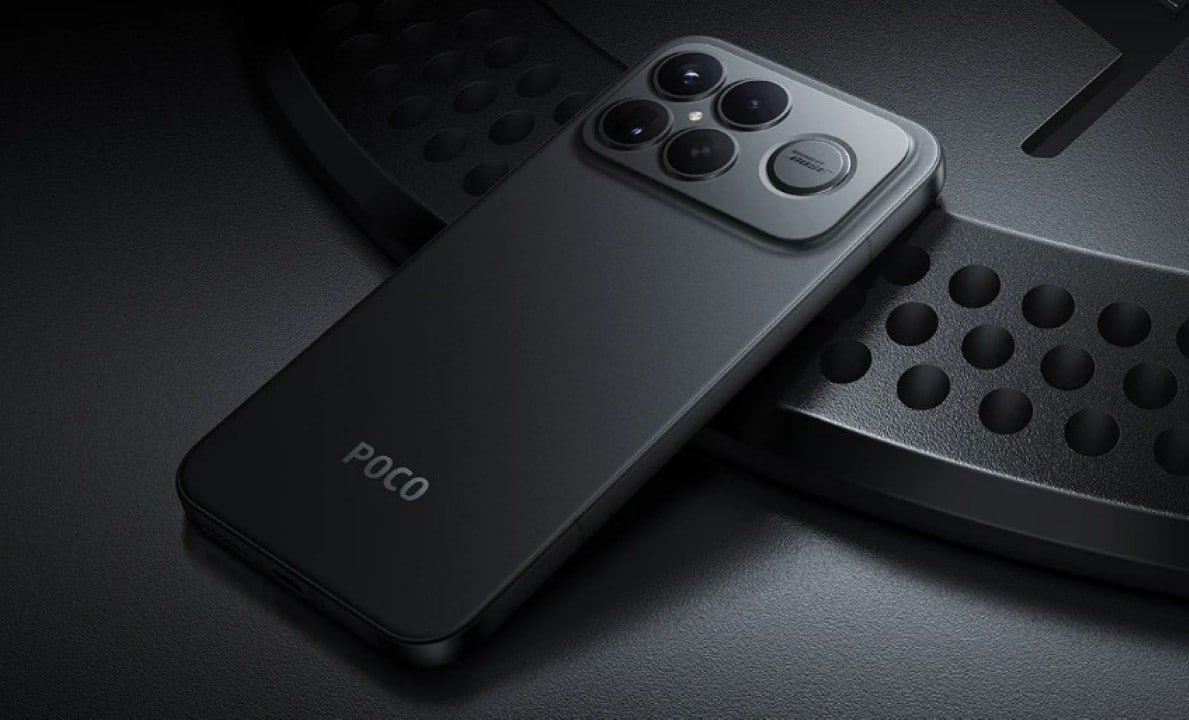
- Processor Qualcomm Snapdragon 8 Elite in both variants.
- High-density batteries surpassing the 6,000 mAh mark.
- HyperOS 3.0 operating system based on native Android 16.
- Unprecedented audio partnership with the Bose brand for the sound system.
With immediate availability in select Ásia and Europa markets, expectations now turn to the distribution schedule in América Latina. The Brasil, being one of the key markets for the brand, should receive the news in the coming weeks, maintaining the tradition of agile launches after the global reveal.
Processing power and hardware architecture
The heart of the new F8 line is the Snapdragon 8 Elite chipset, developed by Qualcomm, which represents a generational leap in terms of computing capacity and energy efficiency. Este component is designed to handle heavy workloads, including high-resolution graphics rendering and running complex artificial intelligence algorithms directly on the device. The choice of this processor signals the company’s intention not to create performance distinctions between the Pro model and the Ultra, ensuring that the speed experience is uniform across the entire series.
To sustain the performance of the Snapdragon 8 Elite without compromising the device’s temperature, the Ultra version has been equipped with LiquidCool technology, which integrates the IceLoop 3D system. Esta thermal engineering solution aims to dissipate the heat generated during prolonged gaming sessions or high definition video recording, keeping the device’s chassis at comfortable temperatures for handling. Thermal stability is a critical factor in avoiding “thermal throttling”, a phenomenon that reduces the processor’s speed to prevent overheating.
In addition to the advanced CPU, the devices offer RAM memory configurations starting at 12 GB, which can be combined with internal storage ranging between 256 GB and 512 GB. The memory technology used promises faster data transfer rates, which translates into reduced loading times for applications and almost instantaneous system startup. The hardware architecture was optimized to work in tune with the software, aiming to extract the maximum potential from the physical components.
Visual experience and design of the Ultra model
The F8 Ultra model positions itself as the definitive option for media consumption, boasting a 6.9-inch OLED panel. The screen offers a resolution of 2608 x 1200 pixels, calibrated to deliver superior pixel density and sharp clarity in texts and images. The front design seeks to minimize edges, providing almost complete visual immersion, ideal for streaming videos and competitive games.
The device’s construction uses premium materials that balance durability and aesthetics, with finishes that withstand daily wear and tear. Color reproduction on the OLED panel has been adjusted to ensure chromatic fidelity, covering wide color ranges used in cinema and professional photography. The refresh rate, although adaptive, focuses on the fluidity of the system’s animations and immediate tactile response, essential characteristics for the premium category.
Detailed specifications of variant Pro
The F8 Pro, although slightly more compact, does not sacrifice essential features and maintains the line’s visual identity. The device has a 6.59-inch OLED screen and 1.5K resolution, offering a more ergonomic format for users who prefer devices that are easy to use with a single hand. The quality of the panel maintains the high standards of brightness and contrast seen in the more expensive model.
In the photographic department, the Pro model features a versatile set of rear cameras, complemented by a 20 MP front sensor. The camera system has been optimized to capture sharp images in a variety of lighting conditions, utilizing the new Snapdragon chip’s image processing to reduce noise and improve dynamic range. Video recording also benefits from improved stabilization.
Autonomy is guaranteed by a 6,210 mAh battery, a capacity that, although smaller than that of the Ultra model, still exceeds the current market average for devices of this size. The energy efficiency of the processor combined with this capacity promises to keep the device active for more than a day of moderate to intense use. Fast charging support is present, allowing you to recover hours of use in just a few minutes of plugging in.
This model serves as the gateway to the new generation, balancing cost and benefit without drastic cuts in performance. The proposal is to attract consumers who are looking for top specifications, such as the elite processor, but who can do without the giant screen and extreme battery of the Ultra model.
Software integration and artificial intelligence
The debut of the F8 line also marks the arrival of HyperOS 3.0 running on top of Android 16, bringing a renewed interface and deep system optimization features. The software uses artificial intelligence algorithms to manage resource consumption in real time, allocating memory and processing according to the needs of the application in use. The promise is fluid navigation, with smooth screen transitions and intelligent battery management that learns from the user’s habits to extend the charge duration. Além Furthermore, the system incorporates new security and privacy protocols native to Android 16, offering greater control over personal data and application permissions.
Advances in autonomy and audio system
One of the highlights of the presentation was the revelation of the battery capacity of the Ultra model, which reaches an impressive 6,500 mAh. Este number reflects the adoption of new battery cell technologies, possibly based on silicon-carbon, that enable greater energy density without drastically increasing the physical volume of the component. Battery longevity is a crucial differentiator for users who use their smartphone as their main work and entertainment tool, reducing dependence on power banks or chargers during the day.
In terms of sound, the manufacturer announced a strategic collaboration with Bose, a renowned company in the audio sector. The stereo speakers of the new devices have been calibrated to offer a balanced sound signature, with present bass and clear treble, minimizing distortion at high volumes. The partnership aims to increase the audio quality in games and films, eliminating the need for headphones in quiet environments and providing a complete multimedia experience.
Prices and market positioning
The aggressive pricing policy continues to be a pillar of the brand, with the F8 Pro starting global sales at a suggested price of US$579 (approximately R$3,350 in direct conversion, without taxes). Já the F8 model Ultra, with its larger screen and superior battery, hits the market for US$729. Availability in Brazilian retail will depend on local negotiations and import logistics, but the expectation is that the models will arrive competitively to compete in the national premium segment.
Keywords: Poco F8 Ultra, Snapdragon 8 Elite, HyperOS 3.0, 6500 mAh battery.
Long-tail keyword: launch smartphone Poco F8 Pro price and specifications.
Links researched:
https://www.mi.com/global/poco
https://www.qualcomm.com/products/mobile/snapdragon/smartphones/snapdragon-8-series
https://www.gsmarena.com/poco-phones-f-38.php



