
Exynos 2600 adopts Heat Pass Block and can eliminate fans on smartphones with advanced cooling

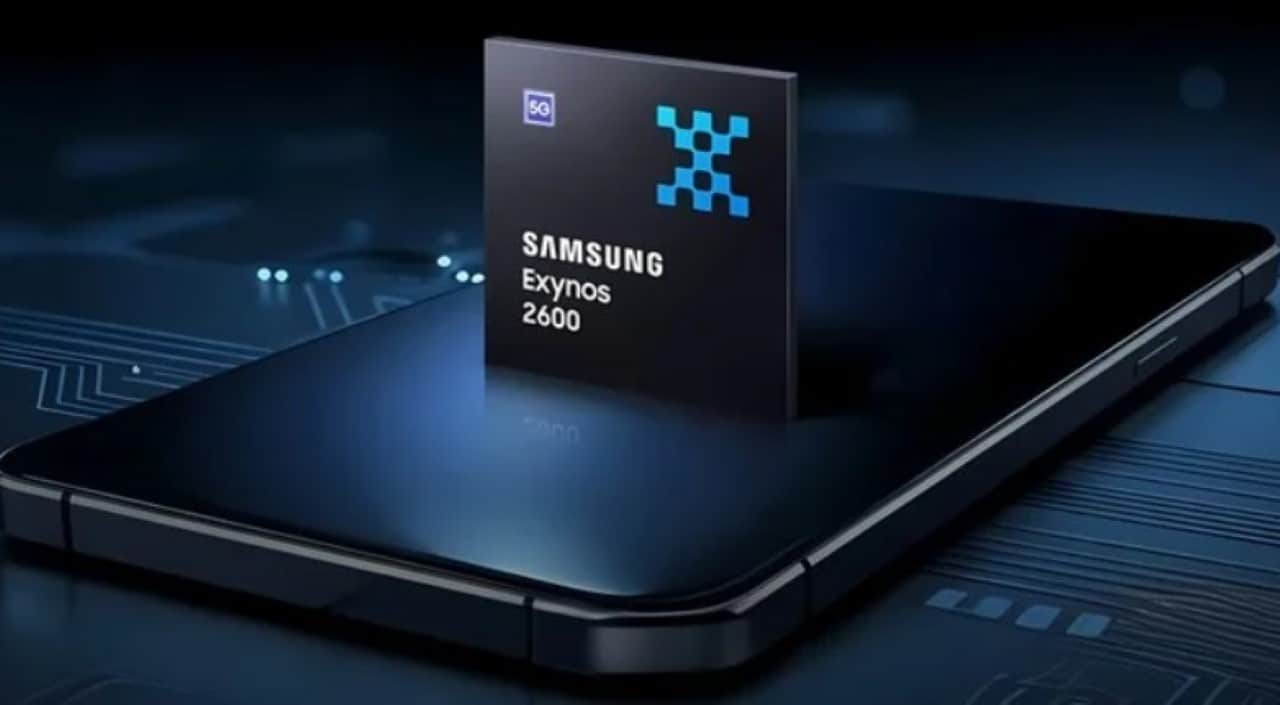
Samsung developed the Heat Pass Block (HPB) technology for the Exynos 2600 processor, which significantly improves heat dissipation in mobile devices. An expert insider stated that this innovation could eliminate the need for custom fans in smartphones, especially in gaming models. Essa solution enables quieter operation and high performance maintenance without mechanical noise.
The HPB consists of an integrated copper structure positioned on the chipset die. Essa configuration optimizes the heat transfer path and reduces resistance compared to previous designs.
How HPB technology works
The Heat Pass Block repositions internal components of the processor package to facilitate heat escape. Nos Traditional designs, the DRAM memory sits directly on top of the chipset, which limits the available thermal space.
With HPB, an integrated copper heatsink creates a direct path for dissipation. Essa approach reduces thermal resistance by up to 16% according to data from Samsung, although informants mention gains of up to 20% in specific scenarios.
The technology maintains lower temperatures even under intense loads. Fabricantes test higher clocks without early throttling.
New leaked Snapdragon 8 Elite Gen 6 Pro (SM8975) Diagram shows the new “HPB — Heat Path Block”
— TECH INFO (@TECHINFOSOCIALS)February 12, 2026
High Performance with High Heat dissipation.
Samsung revealed a 30% Heat Dissipation improvement with thermal resistance reduction by 16% to run stable at high Frequencies.pic.twitter.com/yymbqZ8cZG
Advantages for sustained performance
Modern chips require greater power to deliver high performance in tasks such as gaming and video editing. The Exynos 2600 directly benefits from HPB to operate at higher frequencies for extended periods.
Internal tests indicate the possibility of reaching 5 GHz on performance cores without immediate overheating. Essa capacity represents advancement over previous generations of Exynos.
- Reduction of temperatures during prolonged use
- Maintaining high clocks without automatic reduction
- Quiet operation without mechanical components
- Lower energy consumption in critical thermal scenarios
These points contribute to a more consistent experience in demanding applications.
Comparison with current cooling solutions
Some gaming smartphones incorporate active fans to control temperatures on high-performance chips. Esses systems, although effective, generate noticeable noise during intense operation.
HPB eliminates this dependency by improving passive dissipation. Dispositivos with fans still faces thermal limitations in comparative tests with competitors.
For example, in intense graphics runs, chips without advanced solutions register temperatures exceeding 45 degrees Celsius. The Exynos 2600 with HPB maintains more controlled levels.
Manufacturers like REDMAGIC use fans to mitigate heat in current processors. The adoption of technologies such as HPB could make these components obsolete in future generations.
Adoption by the chip industry
Other processor producers are showing interest in the Heat Pass Block for their flagship lines. Relatos indicate that companies like Qualcomm and MediaTek are evaluating similar integration in upcoming releases.
This movement reflects a common need for efficient thermal solutions in advanced manufacturing nodes. The Exynos 2600, produced in 2 nm, serves as an initial reference for the concept.
Samsung offers the technology to external partners. Similar Implementações appear in chip roadmaps for 2026 and 2027.
Impact on future mobile devices
Smartphones equipped with processors that use HPB benefit from a thinner design. The absence of fans reduces thickness and weight in gaming models.
Users benefit from extended sessions without warm-up interruptions. Gravações high-resolution video and games maintain stable quality.
The innovation aligns with the trend towards greater integration in chip packaging. Processadores Futures prioritize thermal efficiency to support artificial intelligence capabilities.
Exynos 2600 Technical Details
The Exynos 2600 combines HPB with 2 nm architecture to balance performance and consumption. Essa combination allows gains in multi-core and single-core without compromising autonomy.
Ray tracing tests position the chip in early benchmark leadership. Improved dissipation directly contributes to these results.
The Samsung implements high conductivity materials in the package. Esses elements optimize transfer before heat affects adjacent components.
Perspectives for the mobile market
Thermal evolution directly influences competition between Android platforms. Chips with better heat management delivers an advantage in real use.
Manufacturers adjust cooling strategies for upcoming lines. Soluções passive systems gain priority over active systems.
HPB sets a potential standard for the industry by 2026. Modelos Galaxy and other brands incorporate variations of the technology.
This approach solves limitations observed in recent generation chips. Usuários end users notice a difference in high demand scenarios.




