
German job market faces crisis and seeks 400,000 immigrants to keep economy active

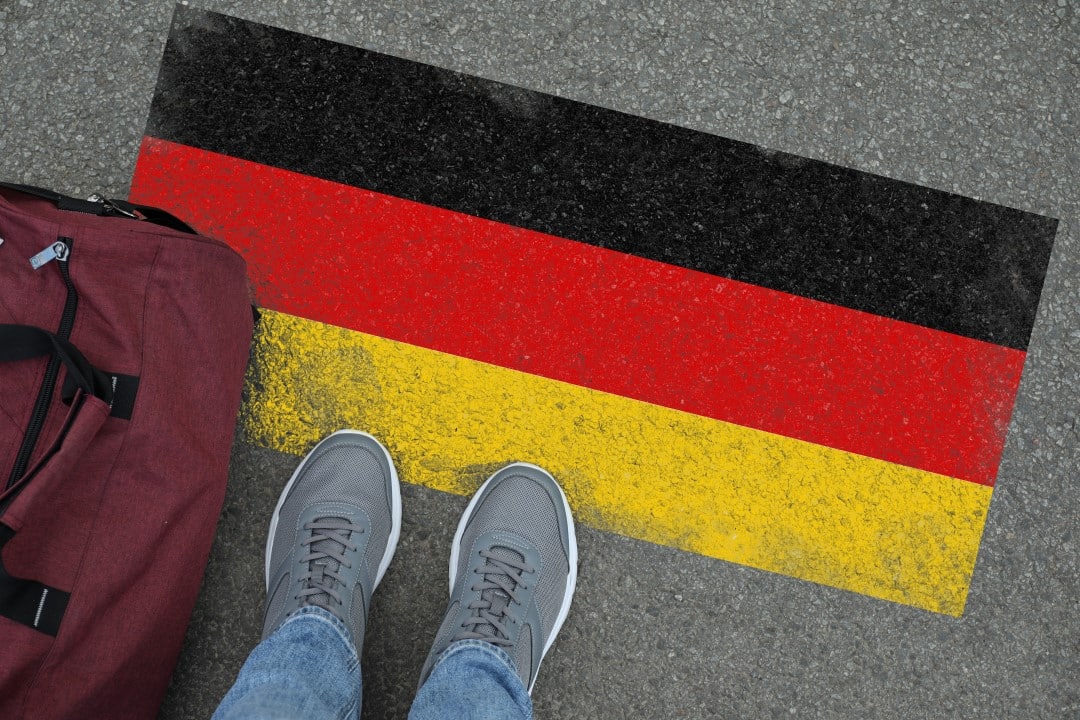
The economic scenario of the greatest European power is going through a decisive moment marked by the urgent need to rebuild its workforce. With the accelerated aging of the population and the retirement of the “baby boomer” generation, the internal supply of labor has suffered a drastic reduction in recent years. Especialistas and economic research institutes point out that, to sustain the level of activity and the social welfare system, the country needs to integrate around 400 thousand professionals from abroad every year.
The demand for qualifications is not restricted to a single segment, affecting everything from heavy industry to essential services. The lack of natural replacement of workers generates production bottlenecks that threaten the global competitiveness of German companies. Sem the injection of new talent, projections indicate real risks of a drop in productivity and a forced reduction in operational hours in several sectors.

Faced with this reality, the federal government and state administrations have intensified efforts to make the country more attractive. The strategy involves not only opening borders, but also creating mechanisms that facilitate the professional and social integration of newcomers, trying to overcome historical linguistic and bureaucratic barriers.
Critical sectors and available vacancies
The health system leads the shortage ranking, with hospitals and rehabilitation clinics often operating with reduced staff. The shortage of nurses, both generalists and specialists in intensive care, forces institutions to seek emergency solutions to maintain care for the population. Além of healthcare, the information technology area is facing difficulties filling positions for software developers, systems analysts and cybersecurity specialists.
Industry and construction also feel the direct impact of the lack of technical personnel. Employment agencies register thousands of open positions for:
– Engenheiros mechanical and industrial automation;
– Técnicos in electrical installations and machine operators;
– Motoristas transport and logistics professionals;
– Professores of mathematics and science for basic education.
These occupations remain vacant for months, reflecting a mismatch between the qualifications available locally and the demands of the modern market.
International Recruitment Strategies
To mitigate the shortfall, German clinics and hospitals have established direct recruitment corridors with countries such as Índia. The model involves partnerships with specialized agencies that select nurses in states such as Kerala and Tamil Nadu. The process is rigorous and includes intensive German courses, funded by employers, that last between six and nine months before the trip.
The investment to bring in a qualified professional from outside União Europeia is significant. Estima The costs of recruitment, visas, tickets and initial integration vary between 7 thousand and 12 thousand euros per hire. Apesar of the high value, institutions consider the expense necessary given the impossibility of filling work schedules with local labor.
Reports from professionals who already work in the country indicate a positive reception among work teams. The support offered by colleagues and supervisors in cultural adaptation and continuous language learning has been fundamental to retaining these talents in the long term.
Modernization of immigration laws
The German government implemented significant legislative reforms to reduce bureaucracy for the entry of foreigners. The introduction of the “opportunity card” represents a paradigm shift, allowing professionals with proven potential to enter the country to look for a job in person for up to a year, without the need for a prior contract signed at the origin.
Another relevant change was the flexibility in the recognition of diplomas. In many cases, authorities have begun to accept equivalent qualifications and practical experience, allowing the formal validation process to occur in parallel with the start of work activities. The digitization of visa application stages seeks to speed up document analysis, although bottlenecks persist.
Administrative obstacles and global competition
Despite the reforms, the German bureaucratic machine is still slow. The high volume of requests, combined with the lack of standardization among the 16 federal states, generates waiting lines that can last months. Advogados immigration authorities report cases of engineers and doctors who, even with contracts in hand, wait long periods for residence permits to be issued.
Alemanha also faces strong international competition in the fight for brains. English-speaking Países, such as Canadá and Reino Unido, or other European nations with more agile migration processes, are often the first choice of skilled workers. Para to reverse this situation, the country is betting on quality of life, security and competitive wages as differentiators to attract and retain the new global workforce.



