
Nintendo records historic high in revenue with global debut of new console and exclusive games

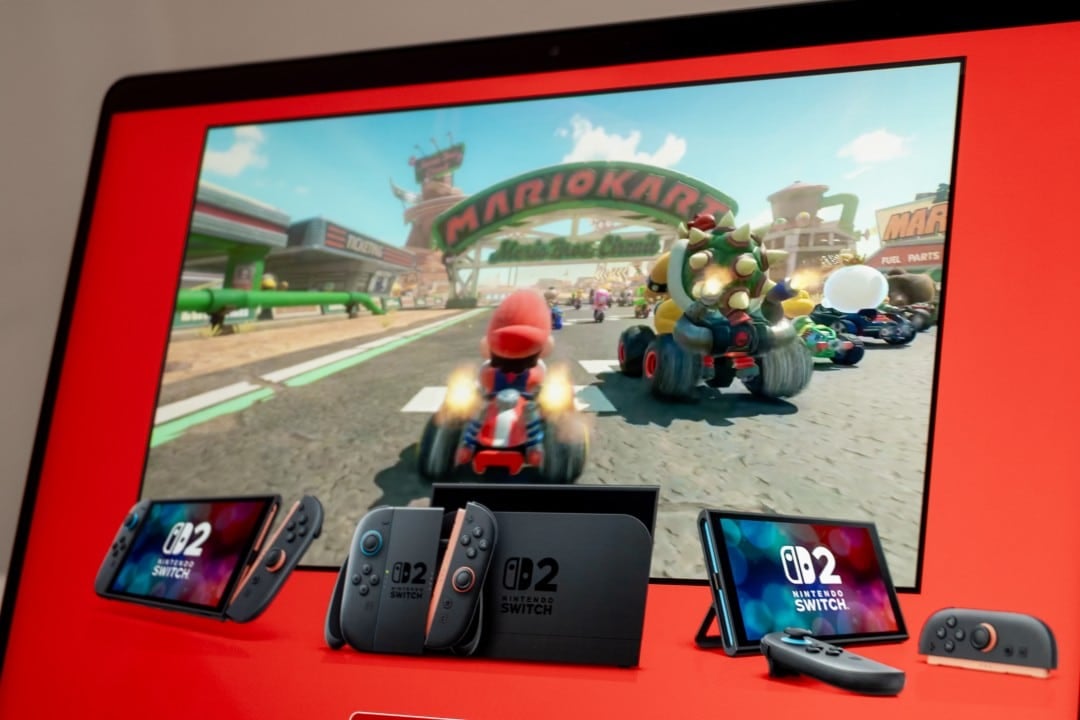
This week, the Japanese entertainment giant released financial results for the first nine months of the current fiscal year, covering the period between April and December 2025. The numbers reveal exponential growth driven directly by the launch and rapid adoption of the Nintendo Switch 2 in the main global markets. The report points out that the generation transition strategy, historically a challenge for console manufacturers, was executed with precision, resulting in record revenue and net profit for the company.
The commercial performance exceeded the projections of analysts and the company itself, consolidating the new platform as an immediate sales phenomenon. The combination of innovative hardware with a robust library of launch titles has generated a virtuous cycle of consumption, attracting both loyal fan bases and new players. The financial impact was immediate, practically doubling revenue compared to the same period of the previous year and reaffirming the brand’s position at the top of the video game industry.

With the normalization of global supply chains, the company was able to meet high initial demand, avoiding the severe shortages that marked the previous hardware cycle. Efficient distribution allowed millions of units to reach shelves before the holiday season, a critical period for electronic retail. Este logistical movement was essential to achieve the reported sales volumes, ensuring that the new device was available simultaneously in Américas, Europa and Ásia.
Hardware numbers and sales records
The fiscal report details that the new console has reached 17.37 million units sold globally since its launch. Deste total, a significant portion of 7.1 million units were sold in the last quarter of 2025 alone, between October and December, highlighting the strength of the product during the Christmas shopping season. Public reception was particularly strong in América, Norte and Europa, regions that have traditionally led the consumption of home entertainment technology.
In addition to the success of the new platform, the original Nintendo Switch model continues to be relevant in the market, functioning as an affordable entry option. In the same period, the previous version sold 3.25 million units. Embora represents a drop of 66% compared to the previous year, this volume was enough for the console to reach a monumental historical milestone. With a cumulative total of 155.37 million units sold throughout its useful life, the device surpassed the record of the Nintendo DS (154.02 million), becoming the best-selling hardware in the company’s history.
The strategy of maintaining support for the old model while introducing the new one has proven effective in maximizing the total installed base. The smooth transition, supported by backwards compatibility, allowed consumers to migrate to the new generation without losing access to their existing game libraries, a decisive factor in retaining users in the brand’s ecosystem.
Financial performance and net profit
The impact of hardware sales was directly reflected in the company’s financial indicators. Net revenue accumulated in the nine months reached 1.9 trillion yen, which represents an impressive increase of 99.3% compared to the previous year. Esse jump of almost 100% in revenue demonstrates the company’s ability to effectively monetize the launch of a new generation, taking advantage of the higher price of new hardware and the high sales volume of associated software.
Net profit also showed robust growth, totaling 358.8 billion yen. Esse value corresponds to an increase of 51.3% compared to the same period in the previous fiscal year. The devaluation of the yen against the dollar and the euro contributed to inflating the gains obtained abroad when converted into Japanese currency, but the determining factor was, without a doubt, the organic sales volume. The healthy profit margin indicates that the company was able to balance the production costs of the new hardware with efficient pricing for the end consumer.
Software success and exclusive titles
Game sales, essential to the long-term profitability of any platform, have kept pace with hardware. Total software sold for the new system reached 37.93 million copies. The big highlight was “Mario Kart World”, which established itself as the must-have title of the new generation, selling 14.03 million units. Esse impressive number suggests an extremely high attachment rate, where almost all buyers of the new console also purchased the racing game.
– “Mario Kart World”: 14.03 million copies sold.
– “Donkey Kong Bonanza”: 4.25 million copies sold.
– “Kirby’s Aerogliders”: 1.76 million copies sold.
– “Mario Kart 8 Deluxe” (Previous generation): 3.1 million additional copies.
The performance of “Donkey Kong Bonanza” was also notable, exceeding initial expectations and demonstrating the strength of the company’s classic franchises. Mesmo titles from the previous generation continued to sell well, with the old “Mario Kart 8 Deluxe” adding another 3.1 million units to its historical total, which now exceeds 70 million copies. Essa long tail of sales reinforces the longevity of the company’s intellectual properties.
Outlook for the end of the fiscal year
Based on the results presented, the company revised its forecasts for the end of the fiscal year, which ends on March 31, 2026. The expectation is to maintain the pace of sales, supported by a continuous launch calendar and the constant replenishment of stocks at retailers. Management highlighted that the focus now is to expand the active user base and encourage the digital transition, increasing recurring revenue through subscription services and additional content.
Investors’ confidence was reinforced by the confirmation that several partner studios are already developing titles for the new platform, ensuring a constant flow of news for the coming years. The company’s ability to innovate in hardware while maintaining the quality of its exclusive software continues to be its biggest competitive differentiator in an increasingly competitive market.




