
Quality test fails extra virgin olive oil brands due to chemical contamination and rancid taste

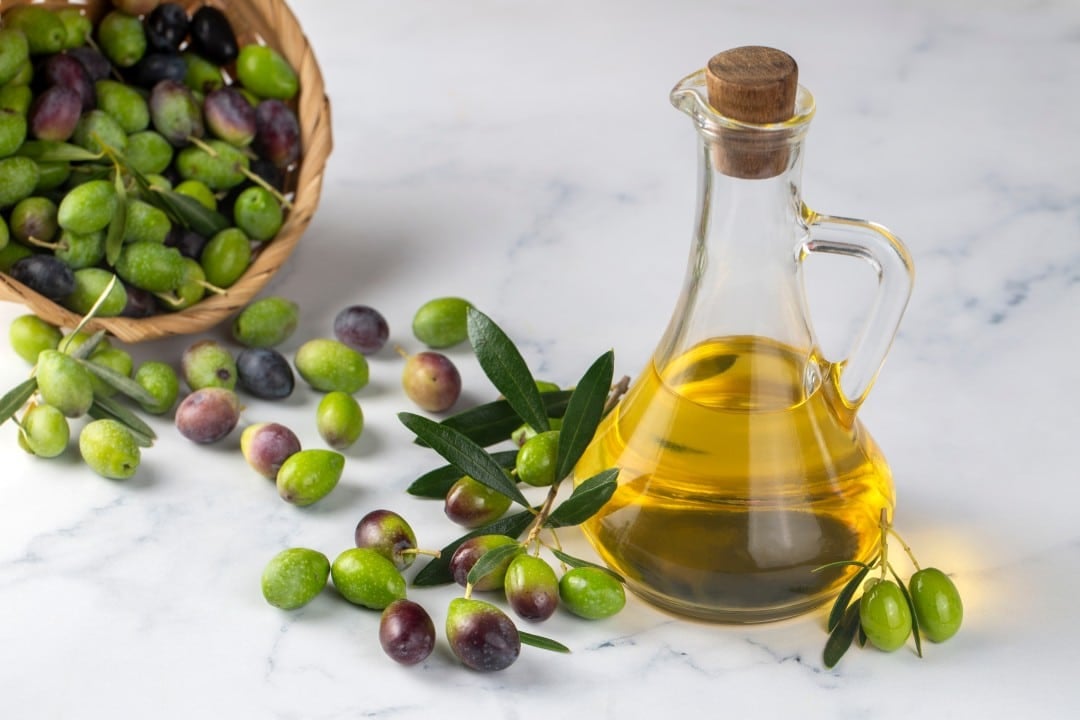
A comprehensive analysis carried out by the consumer protection organization Stiftung Warentest revealed worrying data about the quality of olive oils available on the market. The study, which evaluated 25 brands of extra virgin olive oil, concluded that the vast majority of products do not meet the standards of excellence expected for the category. Apenas quatro dos rótulos testados receberam a classificação de “bom”, enquanto os demais apresentaram falhas significativas tanto em aspectos sensoriais quanto na composição química.
The results indicate that the term “extra virgin”, which should guarantee a superior quality product, often does not reflect the reality of the bottle’s contents. Especialistas identified that several products failed to deliver the basic flavor and aroma characteristics, in addition to containing unwanted substances that compromise the purity of the oil. The investigation highlights a disconnect between packaging marketing and the final product delivered to the consumer.

Among the problems identified, the presence of chemical contaminants was one of the most critical points raised by the laboratory. The rigorous analysis looked not only for taste defects, but also residues that could be harmful to health or indicate flaws in the olive production and storage process.
The survey serves as a warning to the sector, indicating that a high price or a brand’s reputation are not always absolute guarantees of quality. The variability in results suggests that external factors and inadequate industrial processes are directly affecting the integrity of one of the most valued products in world cuisine.
Sensory failures and presence of contaminants
During sensory tests, professional tasters identified serious defects in several olive oils that should have fresh and fruity notes. X__NM0____
In addition to taste issues, chemical analysis revealed contamination by mineral oils. In three products, aromatic mineral oil hydrocarbons (MOAH) were found, substances that are considered potentially carcinogenic. The presence of these compounds is viewed severely by quality control and public health bodies.
Other contaminants were also detected in quantities that caught the attention of researchers. In one specific case, the presence of dibutyl phthalate (DBP), a plasticizer that may have migrated from hoses or processing equipment, was found. Além In addition, traces of the pesticide chlorpyrifos were identified in three other samples, raising questions about the control of pesticides in the production chain.
Impact of climate change on production
The olive oil sector faces challenges that go beyond production lines, being directly impacted by adverse weather conditions in the Mediterrâneo. Espanha, the world’s largest producer, along with Grécia and other traditional regions, has suffered from prolonged droughts and extreme heat waves. Esse scenario affects the development of olive trees and the final quality of the harvested fruit.
Lack of water and heat stress in plantations result in olives with lower oil content and altered flavor profiles. Para maintain production volume, many producers end up processing fruits that, under ideal conditions, would be discarded or destined for lower categories of olive oil. The result is a final product that strives to maintain the chemical and organoleptic standards of extra virgin classification.
Experts point out that the scarcity of high-quality raw materials puts pressure on the market, leading to mixtures of oils from different crops or origins to meet demand. Essa practice, although common, can dilute quality and make it difficult to trace and maintain a consistent standard of excellence on supermarket shelves.
High price does not guarantee product purity
One of the most surprising findings of the test was the lack of direct correlation between the price charged and the quality offered. The most expensive olive oil in the test, Cillo Mono Natives Olivenöl extra Coratina, sold at around 54 euros per liter, failed. Apesar of the premium cost, the product was unable to overcome the quality barriers established by the examiners.
On the other hand, more affordable options demonstrated superior performance. The organic olive oil from the brand Alnatura, priced at approximately 14 euros, was highlighted as one of the best options in terms of cost-benefit, guaranteeing its approval. Outras well-known brands, such as Bertolli and Mitos, have also managed to maintain their quality rating, proving that it is possible to offer a good product on an industrial scale.
This data reinforces the need for consumers to be attentive and not be guided solely by the value on the label. Certification from independent bodies and personal sensory analysis become important tools when choosing an olive oil that is, in fact, extra virgin and free from defects.
Recommendations for storage and consumption
To ensure that the olive oil maintains its properties after purchase, correct storage is essential. Olive oil is a product sensitive to light, heat and oxygen. Exposure to these elements accelerates the oxidation process, leading to rancidity and the loss of beneficial antioxidants, such as polyphenols.
The recommendation is to keep the bottles in cool, dark places, away from heat sources such as stoves or windows with direct sunlight. Embalagens Dark glass or cans are preferable as they offer greater protection from light. Once the bottle has been opened, the ideal is to consume the product within a reasonable period of time to make the most of its flavor and health benefits.
Consumers must trust their sense of smell and taste. A good extra virgin olive oil should have the aroma of fresh olives, herbs or fruits, and have a slight bitterness or spiciness in the throat. Notas of vinegar, mold or rancidity are clear indications that the product is degraded and should not be consumed as a high quality oil.



