
Rocket League update on Switch 2 ensures frame stability and improved visuals

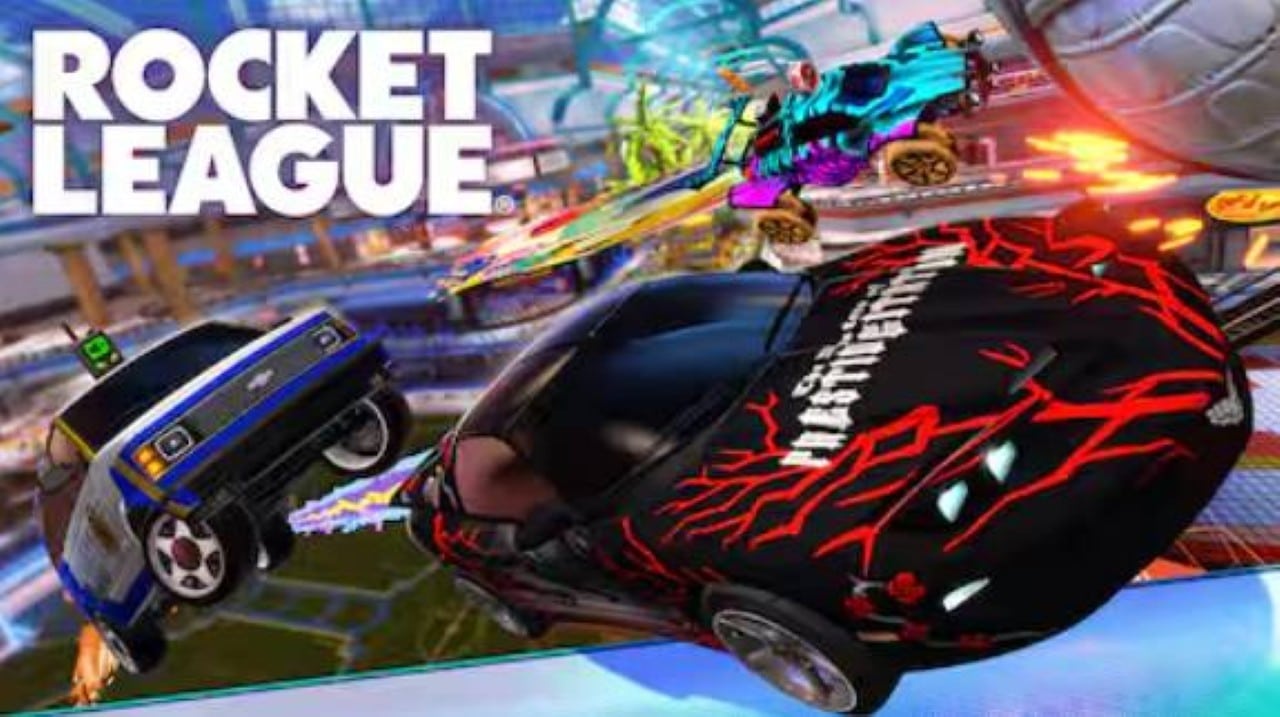
Developer Psyonix announced the release of version 2.64 of Rocket League, scheduled to reach players on January 22nd. Esta update was developed specifically for the Nintendo Switch 2 hardware, with the aim of raising the title’s performance standard on the new console. The company seeks to deliver a more fluid competitive experience by leveraging the device’s enhanced technical capabilities.
The main focus of this patch is graphical optimization combined with frame rate stability, a crucial element for sports and fast action games. The improvements implemented aim to eliminate performance drops that could harm gameplay in moments of high intensity in matches. With the update, the game operates more consistently, ensuring that the response to commands is immediate.

In addition to performance issues, the update introduces visual refinements that modernize the appearance of the game on the Nintendo console. The engineering work carried out by the technical team allowed the implementation of features that were previously limited by previous generation hardware. Isso results in a cleaner, more detailed presentation of arenas and vehicles.
Psyonix’s strategy with patch 2.64 also involves simplifying the user experience, removing the need for complex manual adjustments. The system was designed to automatically detect the best possible configuration, balancing the processing load without requiring player intervention in the graphical options menus.
Technical specifications and dynamic resolution
Regarding technical specifications, the game will run at a native resolution of 1920×1080 pixels when the console is docked to the base, in docked mode. The development team’s absolute priority was to keep the frame rate fixed at 60 FPS, ensuring the fluidity necessary for precise movement and ball physics.
For portable mode, the solution found was to use a dynamic resolution system. Essa technology adjusts the number of pixels rendered in real time, reducing the resolution momentarily only when the action on the screen requires greater processing power. The objective is to preserve 60 frames per second in any scenario, avoiding crashes or slowdowns during mobile gameplay.
This technical approach ensures that visual integrity is maintained most of the time, with resolution reductions occurring imperceptibly to the average user. The transition between resolutions is managed by the game engine, which always prioritizes performance without sacrificing the visual clarity necessary to identify the ball and opponents on the field.
Visual improvements and menu simplification
Patch 2.64 brings significant advances in image quality, with emphasis on improvements in anti-aliasing, which reduces the jagged edges of objects. Além In addition, a more sophisticated ambient occlusion was implemented, which gives greater depth and realism to the lighting and shadows within the arenas, surpassing the graphical quality seen on the predecessor console.
A relevant change to the interface is the removal of options that allowed the player to switch between “Performance” and “Quality” modes. The developer chose to unify the experience into a single optimized profile, which delivers the best possible visuals within the 60 FPS target, eliminating the need for the user to choose between beautiful graphics or fluidity.
With this standardization, Psyonix ensures that all players in Nintendo Switch 2 have access to the same competitive quality. The update represents a technical leap compared to the 2017 version, consolidating the game as a robust and visually competent platform on the new Nintendo hardware.




