
Serious flaw in WebKit threatens outdated iPhones due to users refusing the new look of the system


A worrying phenomenon has marked the mobile device ecosystem at the beginning of the year, putting the integrity of the data of millions of users into question. Proprietários of Apple smartphones are deliberately choosing not to install the latest version of the operating system, iOS 26.2, bypassing vital security fixes. The decision, motivated by dissatisfaction with the new visual identity and concerns about privacy, leaves devices exposed to attacks that are already being actively exploited by cybercriminals.
Consumer resistance is not based on technical issues or performance bugs, but rather on a rejection of the interface dubbed “Liquid Glass” and fear of forced integration with artificial intelligence tools. Essa posture creates a dangerous window of opportunity for hackers, who take advantage of the obsolescence programmed by the user to infiltrate malware capable of stealing banking and personal information without the victim realizing the invasion.
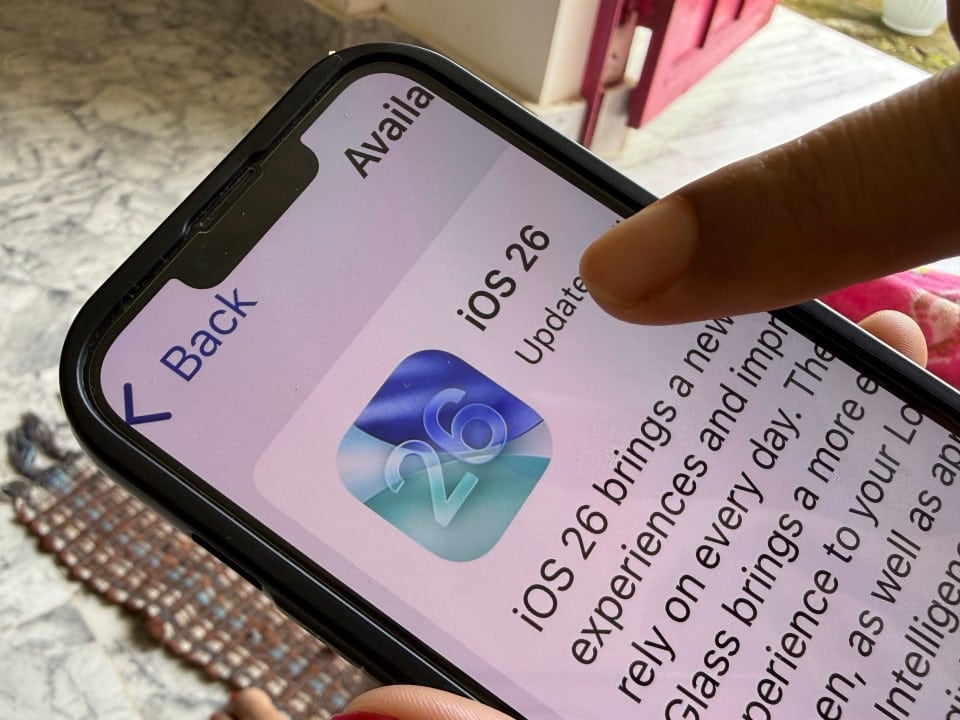
Information security experts warn that the severity of the flaws fixed in the ignored update is extreme. Diferente of vulnerabilities that require physical access to the device, current loopholes allow the system to be completely compromised just by visiting a malicious website, transforming everyday browsing into a minefield for those who insist on maintaining previous versions of the software.
Invisible risks in the processing engine
The core of the problem lies in WebKit, the rendering engine that powers the Safari browser and serves as the basis for displaying web content in several other popular applications, such as social networks and email clients. The update rejected by users fixes two specific flaws, cataloged as CVE-2025-43529 and CVE-2025-14174, which directly affect the device’s memory management.
The first vulnerability allows arbitrary code execution. In practical terms, this means that an external agent can send commands to the iPhone’s processor as if it were the system administrator. The attack occurs silently and does not require the user to download suspicious files or click on confirmation buttons; simply loading a compromised web page is enough to activate the exploit.
The second flaw, discovered in collaboration with digital threat analysis groups, already has a history of use in real targeted attacks. By keeping the system outdated, the user leaves these digital doors open. Como WebKit is a structural component of iOS, the threat is not restricted to the use of the native browser, extending to any application that loads internal links, significantly expanding the attack surface.
The design impasse and distrust in AI
Despite the technical warnings, the user community remains firm in criticizing the aesthetic changes introduced in the current generation of the system. The “Liquid Glass” design language abuses transparencies, blurs and translucent layers, which, according to reports on technology forums, compromised the readability and visual organization of the interface. The preference for solid, straightforward designs has been a driving factor behind the boycott of updates.
In addition to the visual discomfort, there is a trust barrier related to the implementation of Apple Intelligence. The fear that the system will operate autonomously, analyzing behavioral data and private conversations without explicit consent, has generated collective paranoia. Muitos prefer the perceived stability of older versions, like iOS 18 or intermediate iterations, to having to deal with automated functionality they didn’t request.
Technicians and developers, however, point out that it is possible to reconcile the necessary security with personal preferences. The operating system offers, within its accessibility menus, robust tools that allow you to reverse most controversial visual changes and disable artificial intelligence features, ensuring hardware protection without sacrificing the desired user experience.
Settings to mitigate unwanted visuals
For users who decide to prioritize security and update their system, there are ways to neutralize the “Liquid Glass” effect and restore a more traditional appearance. The system allows fine adjustments that transform translucent elements into opaque surfaces, returning the contrast necessary for comfortable reading and eliminating the feeling of visual clutter that has kept consumers away.
The customization process involves navigating the accessibility menus. When activating the option to reduce transparency, the system replaces the ground glass backgrounds with solid colors in critical areas such as the control center and application folders. Além Additionally, it is possible to simplify the lock screen by removing excessive depth from widgets and opting for more robust and readable fonts.
Below are the recommended procedures for tuning your device after the security update, ensuring protection without visual or AI intrusions that generate rejection:
– Para eliminate the glass effect: Acesse Ajustes, go to Acessibilidade and select Tela and Tamanho from Texto. Ative the “Reduce Transparência” key to make the backgrounds solid again.
– Para disable excessive animations: In the same menu as Acessibilidade, enter the Movimento option and activate “Reduce Movimento”. Isso eliminates parallax effects and transitions that cause visual discomfort.
– Para disconnect artificial intelligence: Navegue to Ajustes, select Apple Intelligence and Siri. Certifique Make sure the main AI option is disabled (gray icon), preventing background data processing.
– Para check the system shielding: Vá in Ajustes, Geral and Sobre. Confirme if the software version is 26.2 or higher. Previous Versões keep the device vulnerable to WebKit attacks.
The final guidance from cybersecurity experts is clear: the interface is tunable, but compromised security may be irreversible. The priority should always be closing security holes through updates, immediately followed by customizing the system to adapt it to the user’s tastes, never the other way around.



