
Sixth generation RAV4 arrives with electrified engine and high-tech digital cabin


The Toyota redefines the standards of the medium sports utility vehicle segment with the official launch of the sixth generation of the RAV4, a move that consolidates the Japanese brand’s energy transition in the global market. The model arrives at dealerships with a complete redesign that definitively eliminates versions powered exclusively by combustion, betting all its chips on high-efficiency hybrid mechanical sets. Esta strategy aims not only to meet the strict current emissions standards, but also to offer a strong response to competitors advancing in the field of electrification.
The sports utility vehicle, which has historically been among the best-selling vehicles in the world, now adopts a disruptive visual identity and a robust technological package, focused on user experience and active safety. The automaker seeks to attract a consumer profile that demands modernity and connectivity, without giving up the mechanical durability that has built the model’s reputation over the decades.
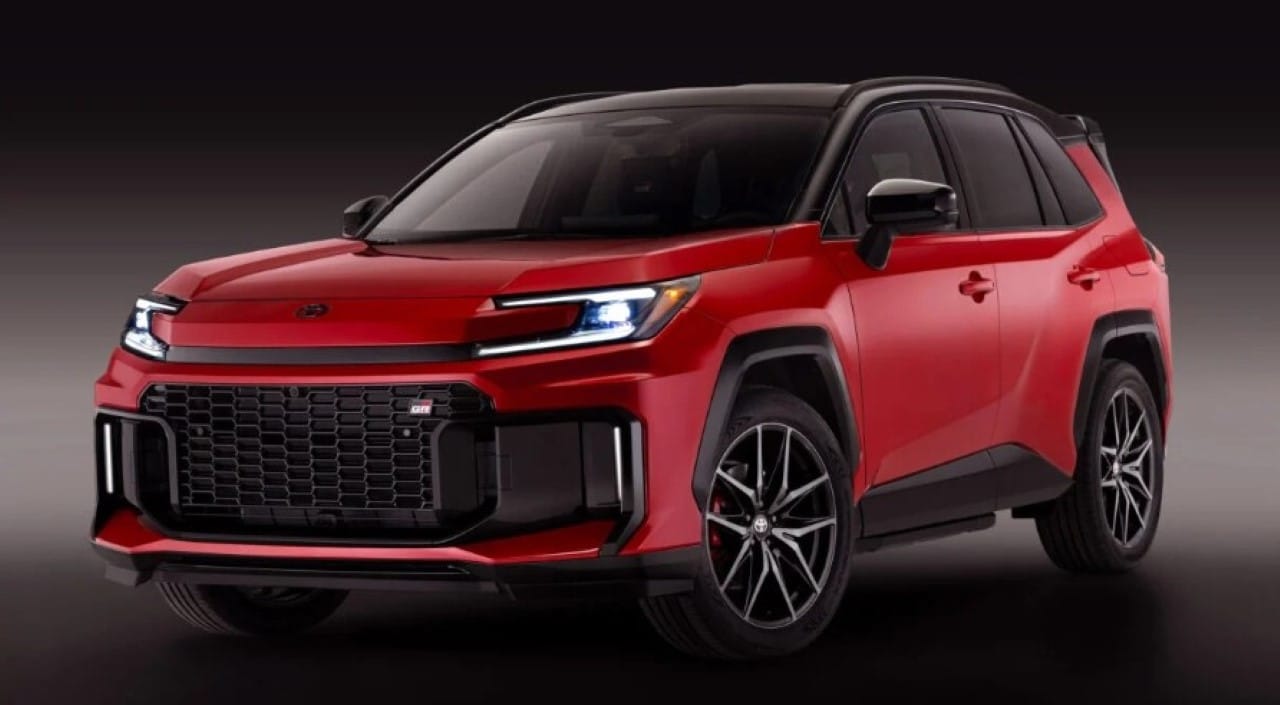
With the update, the manufacturer hopes to maintain its hegemony in sales in the category, positioning the vehicle as a technical reference in sustainability and performance. The new phase of the product reflects a direct alignment with contemporary demands for cleaner and more efficient mobility, marking the beginning of a cycle where electrification ceases to be a differentiator and becomes the absolute standard in the line.
Aesthetic and aerodynamic redesign
The break with conservatism is evident from the first visual contact with the new SUV. The design team adopted the “Hammerhead” language, a stylistic signature already present in recent models such as the Prius and the C-HR, giving the utility vehicle a much more aggressive and futuristic appearance. The front stands out for its LED headlights with a “C” shape design, which harmoniously integrate with a narrower, more aerodynamic front grille.
On the sides, the bodywork displays deep creases and quadrangular-shaped wheel arches, elements that reinforce the robustness necessary for a vehicle with a mixed purpose. The silhouette has been sculpted to optimize airflow, helping to reduce wind noise at high speeds and improve fuel consumption. At the rear, modernity is accentuated by lanterns connected by a horizontal light bar, creating a sophisticated nighttime signature that visually expands the width of the car.
Digitized interior and user experience
The utility cabin has undergone a technological revolution, designed to raise the level of comfort and interactivity on board. The internal environment abandons outdated layouts in favor of a clean and digital architecture, where ergonomics and the quality of materials received special attention. The use of soft-touch surfaces and improved sound insulation bring the model closer to premium categories, offering a quieter and more pleasant journey.
Among the main innovations implemented in the interior, the highlight is the new connectivity ecosystem that dominates the dashboard. The automaker has integrated a series of features aimed at making life easier for the driver and passengers:
– Central floating multimedia with up to 14-inch screen and improved tactile response.
– Quadro of 100% digital and customizable instruments with driving information.
– Wireless Integração for Apple CarPlay systems and Android Auto in all versions.
– Portas USB-C fast charging strategically distributed throughout the cabin.
– Sistema smartphone charging by induction in the center console.
100% hybrid engine strategy
The heart of the new range lies in the abolition of pure gasoline engines, a decision that reflects the brand’s commitment to decarbonization. The entry-level version relies on the conventional hybrid system (HEV), which combines a 2.5-liter engine with updated electric powertrains. The result is a combined power that exceeds 226 horsepower, guaranteeing agile responses when overtaking and restarting, as well as superior energy efficiency in the urban cycle.
For consumers looking for maximum efficiency, the plug-in hybrid variant (PHEV) emerges as the big star of this generation’s mechanical engineering. Equipada with a high energy density battery, this configuration allows a range in pure electric mode of more than 100 kilometers. Isso means that most daily journeys, such as going to work or taking the children to school, can be carried out without consuming a drop of fuel, reserving the thermal engine only for long-distance trips.
TNGA platform and advanced security
The entire structure of the new vehicle is based on an evolution of the acclaimed global TNGA platform. Engineering applied structural reinforcements that significantly increased the torsional rigidity of the chassis, which translates into greater stability in curves and superior protection for occupants in the event of collisions. The solid base also allowed finer adjustment of the suspension, balancing ride comfort and dynamic precision.
In terms of active security, the Toyota Safety Sense package was updated with sensors and cameras with greater range and precision. The system includes vital features such as autonomous emergency braking, now capable of detecting pedestrians and cyclists even in low light conditions. Intelligent adaptive cruise control and lane keeping assistant complete the package, reaffirming the manufacturer’s commitment to reducing accidents and preserving lives in traffic.



