
Toyota makes sixth generation RAV4 official with futuristic design and end of purely combustion engines


The Japanese automotive giant has confirmed a radical strategic shift for one of its best-selling vehicles globally, marking the beginning of a new era focused exclusively on electrification. The most popular midsize SUV in the world undergoes a complete redesign that eliminates propulsion options powered solely by fossil fuels, consolidating the brand’s transition to a portfolio made up entirely of conventional and plug-in hybrid versions.
Renewed and streamlined visual identity
The sports utility vehicle’s aesthetics were profoundly changed to align with the automaker’s contemporary visual language, adopting the front identity known as “Hammerhead”. The lines have become more aggressive and aerodynamic, with tapered LED optical sets that provide a modern and technological light signature, reminiscent of the recent updates seen in the Prius family and the Crown line, breaking with the conservatism of previous generations.
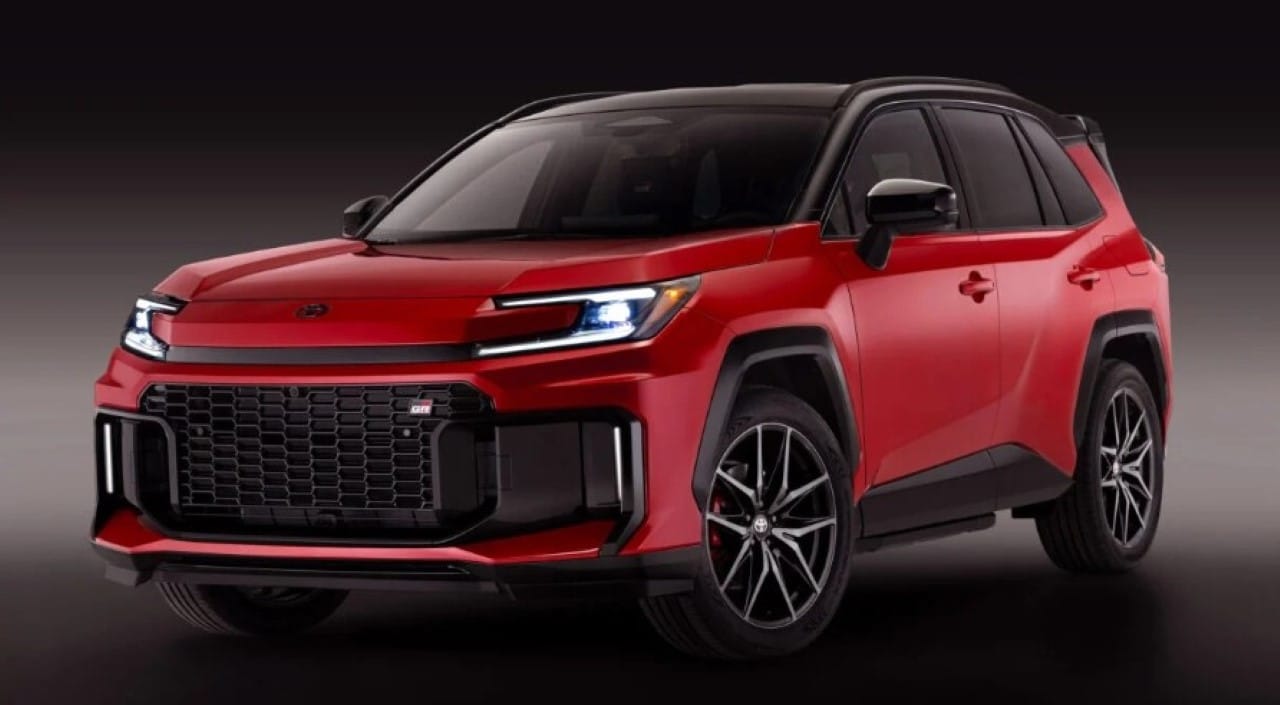
In addition to the visual impact, the changes to the bodywork have an important technical function, aiming to reduce the drag coefficient to maximize energy efficiency. The new design allows for cleaner airflow around the vehicle, which directly contributes to fuel economy and the reduction of wind noise at high speeds, ensuring a quieter and more comfortable journey for occupants.
Hybrid system evolution and performance
Under the hood, mechanical engineering has been improved to offer greater energy efficiency without sacrificing performance, using a 2.5-liter engine coupled with powerful electric motors. The updated system delivers superior combined power, ensuring more vigorous acceleration and a significant reduction in response time, making the vehicle more agile both in urban routes and when overtaking on the highway.
The intelligent all-wheel drive system has also received substantial improvements, using rear axle electrification to optimize cornering stability and grip on difficult terrain. Torque distribution between the wheels is adjusted in milliseconds, providing safer, more predictable driving regardless of weather conditions or road surface.
Embedded technology and internal sophistication
The interior environment received a qualitative leap in terms of finishing and connectivity, highlighted by the introduction of a vast 14-inch central screen dedicated to the entertainment system. The instrument panel has been fully digitized to allow the driver to personalize trip information, while the cabin’s sound insulation has been reinforced to provide a quieter, more premium driving experience.
Active safety remains a priority with the implementation of the latest version of the driver assistance package, which now has greater pedestrian and cyclist detection capabilities in low light conditions. Expected to arrive at international dealerships in the first half of next year, the model seeks to maintain its leadership in the competitive segment, facing strong rivals with an estimated starting price that reflects the technological innovations on board.



