
Toyota stops sales of hybrid SUVs due to chip shortages and expects normalization only in the second half of the year


The Japanese automotive giant has announced a strategic pause in accepting new orders for one of its most sought-after sports utility models globally. The decision, officially communicated to the network of dealers and logistics partners, aims to stop the waiting list that has drastically lengthened due to the persistent instability in the supply of essential electronic components. The drastic measure seeks to prevent delivery times from becoming indeterminate, preserving the relationship of trust with the end consumer.
The production bottleneck is concentrated, once again, on the availability of semiconductors and smart key systems, essential items for the completion and delivery of modern vehicles. Para To mitigate delays, the automaker chose to prioritize the manufacturing of units that have already been sold, temporarily freezing the entry of new contracts until the supply chain shows signs of robust and predictable recovery.
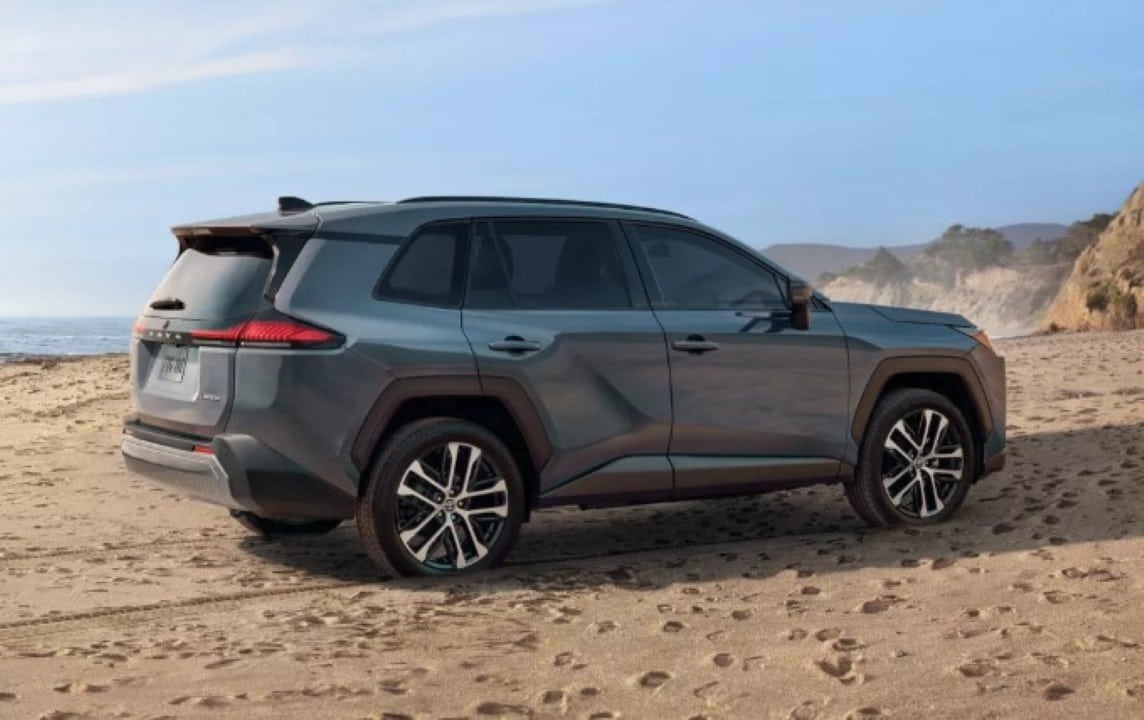
Direct impact on the used car market and prices
The suspension of sales of brand new models generated an immediate and inflationary effect on the secondary vehicle market. With the scarcity of new units in showrooms, the demand for pre-owned models of the same SUV skyrocketed, raising prices to unprecedented levels. In many cases, versions with little use are being negotiated for prices higher than the list price of the new model, driven by the advantage of immediate delivery.
Experts in the automotive sector warn that this phenomenon of atypical appreciation should continue until production is normalized. The law of supply and demand puts pressure on the market, transforming used vehicles into highly liquid assets and making access difficult for consumers who depend on traditional financing, since interest rates for used vehicles tend to be higher.
High embedded technology and the TNGA platform
The affected model is built on the global TNGA (Toyota New Global Architecture) architecture, specifically the GA-K variant, recognized for offering greater torsional rigidity and a lower center of gravity. However, the technological sophistication required by this modern platform has, paradoxically, become Aquiles’s heel of current production.
The dependence on microchips is massive to manage the various systems that make up the safety and efficiency of the vehicle. The lack of a single electronic component can paralyze the entire assembly line, as the systems are integrated and interdependent. Entre the resources that require high data processing and that were affected by the shortage are:
- The Toyota Safety Sense active safety package, which integrates radars and cameras for autonomous braking;
- Fully digital infotainment systems and instrument panels;
- The electronic management of the hybrid system, which switches between the combustion engine and the electric engine;
- Comfort control modules, such as digital air conditioning and in-person keys.
The complexity of the hybrid system, which combines a 2.5-liter combustion engine with electric propulsion, requires perfect synchronization managed by advanced processors. The energy efficiency promised by the vehicle depends directly on this electronic management, which prevents the automaker from simplifying the product or removing components just to speed up delivery, under penalty of compromising performance and emissions.
Resumption and logistics perspectives
The company’s expectation is that the flow of components will begin to regularize at the beginning of the second half of this year. Industrial planning has been adjusted so that as soon as batches of semiconductors arrive, production is accelerated to clear the backlog of pending orders. The resumption of sales to new customers will only occur when there is a guarantee that the stated deadlines can be strictly met.
Meanwhile, logistics strategy involves daily monitoring of the global supply chain. The company seeks to diversify suppliers and adjust transportation schedules to minimize the time between chip manufacturing and installation on the assembly line. The situation serves as a warning to the entire industry about the need for greater resilience in the production of high-tech components.



